Solar Power for Homes in Nepal: Costs, Savings, and Setup
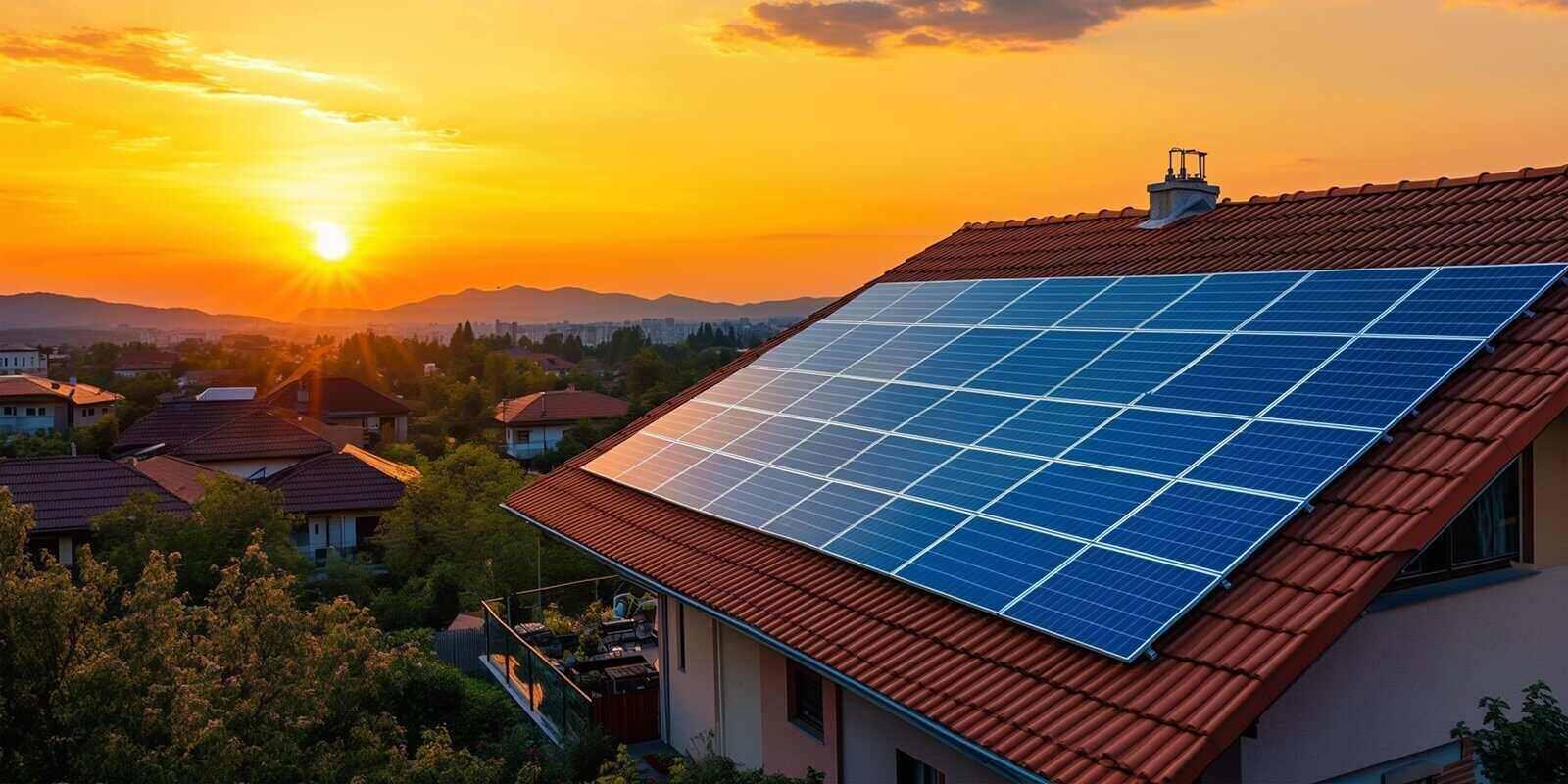
Thinking about putting solar panels on your roof in Kathmandu, Pokhara, or the Terai? You are not alone. Electricity bills keep climbing, the sun shines here most of the year, and rooftop systems have gotten a lot cheaper. But the price you actually pay depends on choices most sellers gloss over.
Here is the short version. A basic grid-tied rooftop system costs roughly NPR 55,000 to 90,000 per kilowatt (kW) installed, so a typical 3kW home system runs about NPR 170,000 to 250,000. Add batteries for backup during outages and the cost roughly doubles. Most well-sized systems pay for themselves in about five to seven years, then keep producing free power for another 15 years or more.
This guide covers what a home solar system costs in Nepal in 2026 and how much you can realistically save. It also explains how net metering and AEPC subsidies work, plus the steps to get a system installed without getting burned.
Quick answer: is home solar worth it in Nepal?

For most homes with a decent unshaded roof and a monthly NEA bill above NPR 1,500 or so, yes. Here is why in plain numbers.
- Upfront cost: NPR 55,000 to 90,000 per kW for a grid-tied system. Batteries push it to NPR 90,000 to 130,000 per kW.
- Output: roughly 1,400 to 1,800 units (kWh) per kW per year in Nepal’s climate.
- Payback: about 5 to 7 years for a grid-tied system, longer if you add batteries.
- Lifespan: panels are warrantied for 25 years and usually keep working past that.
Solar is a weaker fit if your roof is heavily shaded, your monthly bill is tiny, or you rent and cannot commit to a long payback. More on those cases below.
How much does a solar system cost in Nepal?

Cost depends on three things: system size, whether you add batteries, and component quality. Do not compare two quotes on price alone. Compare what is actually in the box.
Here are indicative 2026 prices for complete installed systems, based on Kathmandu dealer surveys and Nepali solar suppliers. Treat them as a starting point and get at least three quotes.
| System size | Grid-tied (no battery) | Hybrid or off-grid (with battery) | Roughly powers |
|---|---|---|---|
| 1kW | NPR 55,000 to 90,000 | NPR 110,000 to 140,000 | Lights, fans, TV, laptop, phone charging |
| 3kW | NPR 170,000 to 250,000 | NPR 280,000 to 350,000 | Most of an average home’s daytime load |
| 5kW | NPR 275,000 to 420,000 | NPR 420,000 to 520,000 | Whole home plus a small AC for limited hours |
| 10kW | NPR 550,000 to 900,000 | Higher, rarely done for homes | Large home, shop, or office |
Two suppliers can quote very different numbers for the same “5kW system,” and usually the reason is the battery. A grid-tied 5kW system with no battery might be quoted around NPR 300,000. A hybrid 5kW with a lithium battery bank can cross NPR 500,000. Neither is wrong. They are different products.
What drives the price
Panels. A single 350W to 450W panel costs around NPR 25,000 to 36,000 in 2026. Tier-1 brands like LONGi, Waaree, and Canadian Solar cost more but come with 25-year performance warranties. Cheap unbranded panels are a false economy.
Inverter. This converts DC from the panels into the AC your home uses. A grid-tied string inverter is cheaper. A hybrid inverter that also charges a battery costs more. This is the part most likely to fail first, so do not cut corners here.
Battery (optional). This is the single biggest cost swing. A tubular lead-acid battery is cheaper upfront but lasts only about 500 to 800 charge cycles and needs maintenance. A lithium (LiFePO4) battery costs several times more but lasts 3,000 cycles or more and needs almost none. If you mainly want to cut your bill and your NEA supply is reliable, you may not need a battery at all.
Mounting and wiring. Structure, cabling, and labor add roughly NPR 15,000 to 30,000 per kW depending on your roof.
How much will you actually save?
Savings come from two places: the power you use directly from your panels, and any surplus you export to the grid.
Direct use is where the real money is. Every unit your panels make and you use during the day is a unit you do not buy from NEA. NEA’s residential tariff runs on a rising slab system. The first 20 units are heavily subsidized at around NPR 3 to 4 per unit, but heavy users pay far more. Households above roughly 250 units a month pay in the range of NPR 11 to 13 per unit for that top block. Solar shaves off your most expensive units first, which is exactly what you want.
Here is a realistic example for a 3kW grid-tied system in the Kathmandu Valley.
- System cost: about NPR 220,000
- Yearly generation: roughly 4,500 to 5,000 units
- Value of that power at NPR 9 to 11 per unit: about NPR 40,000 to 55,000 a year
- Simple payback: around 5 to 6 years
Your own numbers will differ. A house that runs fridges, a washing machine, and daytime cooling captures more value than a home that sits empty until evening. If most of your electricity use is at night, a grid-tied system without a battery saves less, because your panels produce while the family is out.
One honest caveat. The often-quoted “4 to 5 year payback” assumes strong generation and high tariffs. Shading, dust, monsoon cloud cover, and a poorly angled roof all cut output. Plan for a slightly longer payback and treat anything faster as a bonus.
Net metering: selling power back to NEA
If your grid-tied system makes more power than you use during the day, the extra can flow back to the Nepal Electricity Authority (NEA) grid through net metering. In return you get a credit that lowers your bill.
A few things to understand before you count on this.
First, the credit you earn for exported power is lower than the retail rate you pay to buy power. In practice this means self-consumption beats export. A smart setup uses your own solar first and sends only the leftover to the grid.
Second, the exact terms have been under review. Nepal’s authorities have discussed shifting from classic net metering, where exports were credited near the retail rate, toward a net billing approach that pays a lower wholesale rate for exported units. Because the specifics keep changing, confirm the current buy-back rate and contract length directly with your NEA regional office before you size a system around exports. Do not let a salesperson quote you a payback based on an export rate they cannot show you in writing.
Third, grid-tied inverters shut off automatically during a power cut, for the safety of line workers. So a plain grid-tied system does not give you backup during an outage. If backup matters to you, you need a hybrid system with a battery.
AEPC subsidies: who actually qualifies
The Alternative Energy Promotion Centre (AEPC), under the Ministry of Energy, Water Resources and Irrigation, runs Nepal’s main solar subsidy programs. There is a common misunderstanding here, so read this part carefully.
The generous subsidies, up to 50 percent and sometimes more, are aimed mainly at off-grid rural households, community institutions, schools, and health posts in areas without reliable NEA grid access. Solar water pumping for farms also gets strong support.
Urban rooftop homes that already have a good NEA connection usually do not get a large cash subsidy. Instead, their benefit comes through net metering. So if you live in the Kathmandu Valley with a normal grid connection, do not build your budget around a 50 percent government discount. You most likely will not get it.
If you do qualify, the process runs through AEPC-certified installers. In broad strokes:
- Contact your district AEPC office or an AEPC-certified rural energy service company.
- Get your site assessed and your system designed by that certified installer.
- Submit your application with a citizenship copy, land ownership proof, and bank details, either at the office or through the AEPC subsidy portal (subsidy.aepc.gov.np).
- AEPC pays the subsidy directly to the certified installer. You pay only your share.
Never pay the full cost to an uncertified installer and try to claim the subsidy back yourself later. That is a common way people lose money. Rates and eligibility change each fiscal year, so confirm the current terms before you commit.
Off-grid, on-grid, or hybrid: which one for your home?
Picking the wrong system type is the most expensive mistake people make. Here is the plain guide.
Grid-tied (on-grid). No battery. Cheapest per kW. Best when your NEA supply is reliable, like much of the Kathmandu Valley today. Cuts your daytime bill and can export surplus. The catch: no power during an outage.
Off-grid. Fully independent, with a large battery bank. Best for remote homes, hill and Terai areas with long daily cuts, or places with no grid at all. Highest cost because of the batteries, and lead-acid banks need upkeep.
Hybrid. Connects to the grid and stores power in a battery. Runs your home on solar, keeps a battery charged for outages, and sends leftover power to the grid. Best for urban and semi-urban homes that want backup and still see occasional cuts. Most popular choice for middle-class Kathmandu homes in 2026.
A simple rule. If your grid is steady and you just want a lower bill, go grid-tied. If you want the lights to stay on during a cut, go hybrid. Go full off-grid only if the grid genuinely is not an option.
Step-by-step: getting solar installed
Here is the path from idea to a working system.
- Pull out your NEA bills. Look at the last 12 months. Note your average monthly units and your worst months. This is the single most useful number for sizing.
- Check your roof. You need unshaded space that faces roughly south. A flat concrete roof is easy to work with. As a rough guide, each kW of panels needs about 90 to 110 square feet of clear roof.
- Decide on backup. Do you need power during outages, or just a lower bill? This decides whether you pay for batteries.
- Get three quotes. Ask each installer for a written list of panel brand and wattage, inverter make and type, battery type and capacity, warranty terms, and the after-sales service plan. Compare like for like.
- Check the installer. Ask how many systems they have installed locally and ask to speak to a past customer. For any subsidy, confirm they are AEPC-certified.
- Sort out net metering. If you are grid-tied, ask your installer to handle the NEA net metering application, and confirm the current buy-back terms in writing.
- Install and commission. A home rooftop install usually takes one to three days. Get a demonstration and the full documentation before you make the final payment.
- Maintain it. Clean the panels every few months, more often before and during monsoon when dust and grime build up. Watch your monitoring app or meter to catch any drop in output early.
Common mistakes to avoid
Oversizing for prestige. A bigger system is not automatically better. If you export most of your power at a low buy-back rate, those extra panels pay back slowly. Size to your actual daytime use.
Buying the cheapest quote. The gap between quotes is usually panel and inverter quality. A system that fails in year six erases your savings. Judge on total value over 25 years, not the sticker price.
Ignoring shading. One tree, a water tank, or a neighbor’s tall wall can drag down a whole panel string. A proper site survey catches this before you spend.
Skipping the paperwork. Get warranties, the wiring diagram, and net metering approval in writing. If the installer disappears, this is what protects you.
Assuming a subsidy you will not get. As covered above, most urban grid-connected homes do not receive a large AEPC cash subsidy. Budget without it and treat any subsidy as a bonus.
Frequently asked questions
How much does a solar system cost for an average Nepali home? For a typical Kathmandu home, a 3kW grid-tied system costs roughly NPR 170,000 to 250,000 installed. Adding a battery for backup raises that to around NPR 280,000 to 350,000. Your exact price depends on brand, battery choice, and roof type, so collect three quotes.
How long do solar panels last in Nepal? Good panels carry a 25-year performance warranty and often keep producing beyond that. The inverter typically lasts about 8 to 12 years and may need replacing once. Lead-acid batteries last a few years, while lithium batteries can last 10 years or more.
Can solar run my whole house, including an AC? Yes, with a properly sized system. A 5kW system can cover an average home plus a small AC for limited hours. Running a large AC around the clock on solar alone needs a big system and a big battery, which is expensive. Most homes pair solar with the grid rather than trying to go fully independent.
Does solar work during monsoon and winter? Yes, but output drops on cloudy monsoon days and in the shorter winter light. Systems are designed for year-round use, and your yearly average already factors in the weaker months. Do not judge a system by one gray week.
Do I need a battery? Only if you want power during outages or want to store daytime solar for evening use. If your NEA supply is reliable and you mainly want a lower bill, a grid-tied system with no battery is cheaper and simpler. Batteries are the biggest single cost, so add them only if you truly need backup.
Can I sell extra power back to NEA? Grid-tied systems can export surplus power through NEA net metering and earn a bill credit. The credit rate is lower than what you pay to buy power. The terms have also been under revision. Confirm the current rate with your NEA regional office before sizing a system around exports.
Is home solar tax-free or subsidized in cities? Large AEPC cash subsidies mostly go to off-grid rural homes and institutions. Urban grid-connected homes generally benefit through net metering rather than a cash subsidy. Confirm the current year’s rules with AEPC.
The bottom line
For a Nepali home with a reasonable roof and a real electricity bill, solar makes sense in 2026. A grid-tied system is the cheapest way to cut your bill, with a payback around five to seven years and free power for a long time after. Add a battery only if you want the lights on during a cut. Size the system to how you actually use power, insist on quality components, and get everything in writing.
If you are planning a new build or a renovation, this is the moment to think about roof orientation and wiring for solar, since retrofitting later costs more. For related planning, see our guides on house construction cost in Nepal and how to hire a building contractor in Nepal. If you are weighing solar against monsoon repairs and upgrades, our waterproofing and home renovation guides are worth a look too.
House-hunting with an eye on energy costs? Browse verified listings on Basobaas, and if you are selling a solar-equipped home, mention it in your listing. It is a real selling point for buyers who have seen their own NEA bills lately.
Latest Posts
Fresh reads from Basobaas