Best Building Materials for Homes in Nepal: A Buyer’s Comparison
Building a house in Nepal is a once in a lifetime decision for most families. The materials you pick shape the cost, the safety, and how long the house lasts. So it pays to get this part right before the first bag of cement is even ordered.
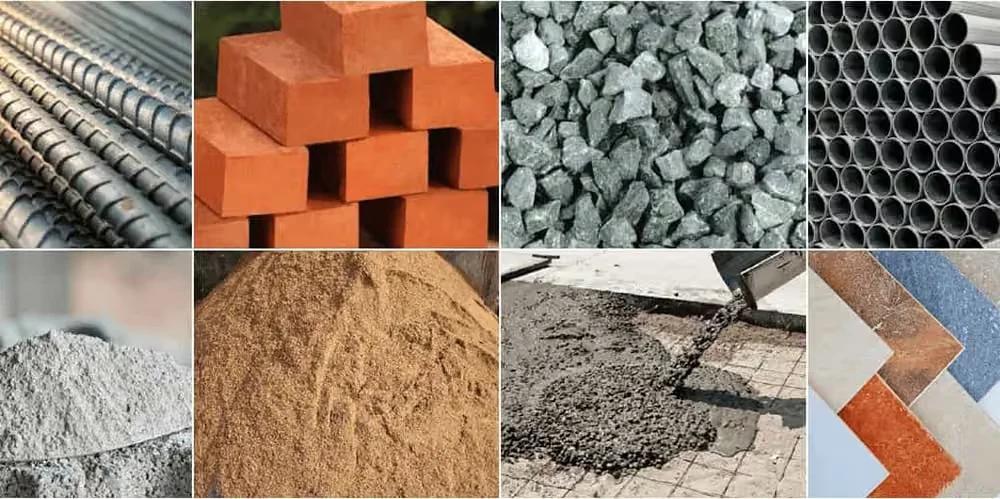
The short version: most Nepali homes use red clay bricks or hollow concrete blocks for the walls. The concrete uses OPC or PPC cement. The frame uses Fe 500D TMT steel, and the mix uses river sand plus stone aggregate. The “best” choice is not one single material. It is the right material for each part of the house, matched to your budget and to Nepal’s earthquake risk.
This guide compares the common building materials sold in Nepal, with rough 2026 price ranges, so you can plan your budget and ask suppliers the right questions.
Quick answer: what most Nepali homes are built from.

- Walls: red clay bricks (cheapest per piece) or hollow concrete blocks (faster to lay, lighter). AAC blocks and fly ash bricks are newer options that cut weight.
- Structure (columns, beams, slab): OPC cement plus Fe 500D TMT steel rebar. This is the frame that carries the load.
- Finishing and plaster: PPC cement gives a smoother finish and resists cracks.
- Sand and aggregate: river sand for concrete and plaster, 20mm stone aggregate for RCC work.
Now let us break each of these down.
How much do building materials cost in Nepal in 2026?
Prices move week to week, so treat these as ranges, not fixed rates. Confirm with your local supplier before you finalize a budget. As of early 2026, construction material costs across Nepal have risen roughly 4 to 8 percent since 2025, driven by fuel prices, a weaker rupee, and steady demand in cities like Kathmandu and Pokhara.
| Material | Typical 2026 price range | Unit |
|---|---|---|
| OPC cement | NPR 700 to 950 | 50 kg bag |
| PPC cement | NPR 600 to 850 | 50 kg bag |
| TMT steel (Fe 500D) | NPR 88 to 120 | per kg |
| Red clay brick (standard) | NPR 16 to 25 | per piece |
| Fly ash brick | NPR 12 to 18 | per piece |
| Hollow concrete block | NPR 35 to 50 | per piece |
| AAC block | NPR 200 to 500 | per block |
| River sand | NPR 3,750 to 4,500 | per cubic meter |
| 20mm stone aggregate | NPR 3,180 to 4,500 | per cubic meter |
Terai districts often run 10 to 15 percent cheaper because factories and kilns are close by. Remote hill areas pay a transport premium on almost everything.
Cement: OPC or PPC, and which grade?

Cement is the material you will buy the most bags of, so small differences add up. In Nepal you will mostly see two types on the market.
OPC, or Ordinary Portland Cement, gains strength fast. It is the choice for structural concrete: foundations, columns, beams, and slabs. Most engineers ask for OPC here.
PPC, or Portland Pozzolana Cement, is easier to work with and gives a smoother plaster. It resists cracks better over the long run and generates less heat while setting. Many builders use PPC for masonry, plastering, and finishing.
On grades, you will see OPC 43 and OPC 53. The number is the compressive strength in MPa after 28 days. Grade 53 is stronger and sets faster, which suits columns, beams, and slabs when your structural design calls for it. Grade 43 has a lower heat of hydration, so it cracks less if curing is not perfect, and it works fine for general residential work. Your structural engineer should decide the grade based on the design, not a shopkeeper’s suggestion.
A few practical tips. Buy fresh cement, ideally less than 30 days old, because strength drops as bags sit in storage. Buy in bulk when you can, since dealers often knock off NPR 10 to 30 per bag on orders of 50 bags or more. And keep the bags off the floor and away from damp walls.
Steel: why Fe 500D matters for earthquakes

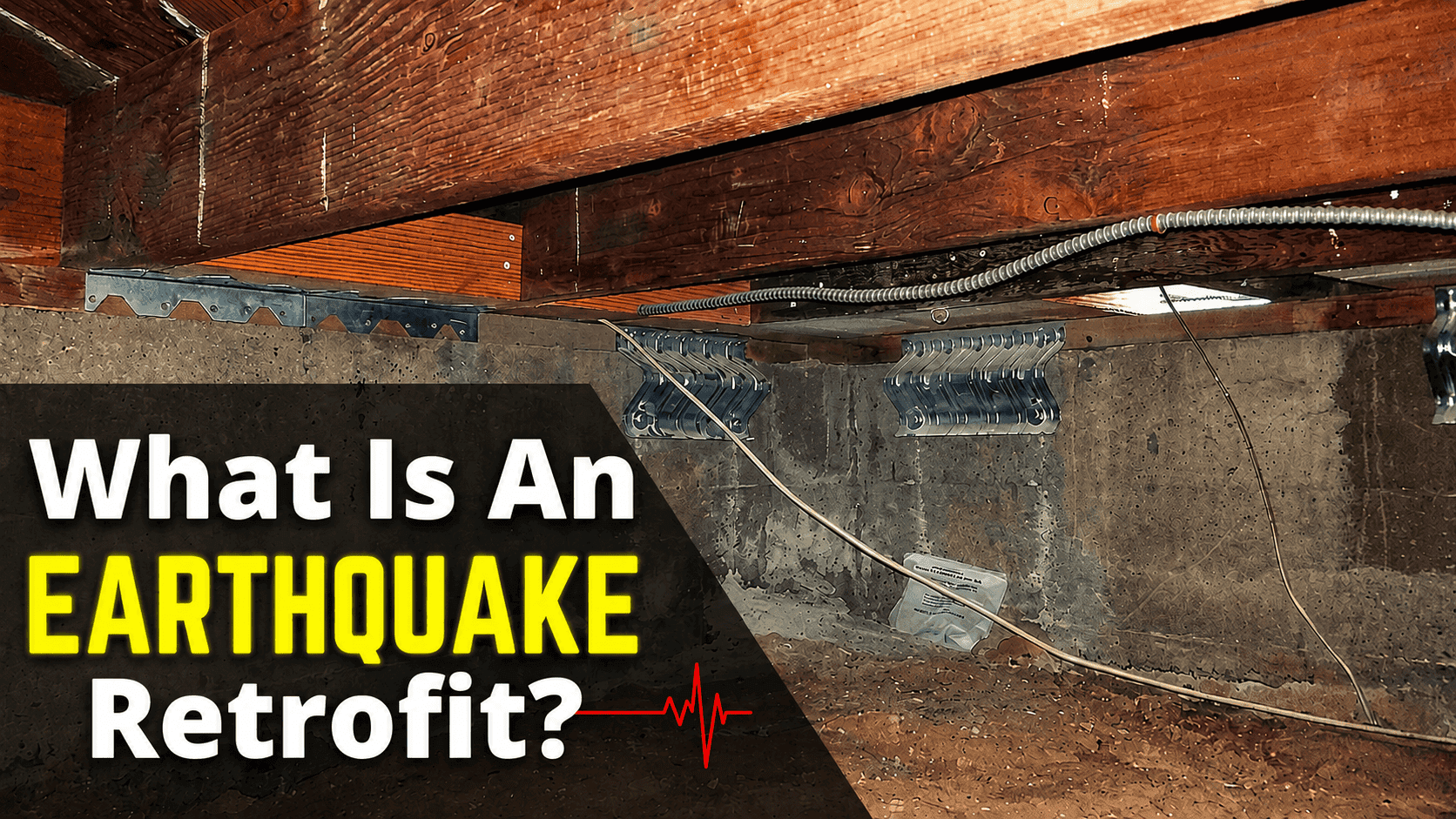
Steel rebar, called sariya or TMT locally, is the backbone of any RCC house. It is what stops a building from cracking apart when the ground shakes. Nepal sits in a high seismic zone, so this is not a place to cut corners.
Ask for Fe 500D grade rather than plain Fe 500. The “D” stands for higher ductility, meaning the bar can bend and stretch more before it breaks. In an earthquake, that flexibility is exactly what keeps a frame standing. Well known brands in Nepal include Jagdamba (Rhino), Panchakanya, Ambe, and Laxmi, with 2026 rates roughly in the NPR 88 to 120 per kg band depending on brand and bar diameter.
Watch for a few things at the yard. Genuine TMT bars carry stamped markings for the brand and grade along the length. Smaller diameter bars like 8mm and 10mm usually cost a few rupees more per kg than 12mm or 16mm bars because they need more processing. Buy from an authorized dealer, since fake and substandard steel does turn up in the market. If your budget is tight and quality is not, steel is one place to spend, not save.
For a deeper look at seismic safety, see Basobaas’s guide on earthquake resistant home construction and the NBC 105:2020 building code, which is mandatory for residential builds in urban Nepal.
Bricks vs blocks: the big wall decision
This is the choice most home builders wrestle with. Walls are a large share of material cost, and the options each have trade-offs. Let us compare the main ones.
Red clay bricks

The traditional choice. Cheap per piece, widely available, and every mason in Nepal knows how to lay them. Class A bricks are worth the extra rupees. They are evenly burnt, give a clear ringing sound when struck together, and soak up less water. The downsides are weight, which adds load to your frame, and the environmental cost of coal fired kilns.
Hollow concrete blocks

A block costs more per piece than a brick, but one block covers far more wall area. Blocks lay faster, use less mortar, and give better thermal insulation, so your rooms stay a little cooler in summer and warmer in winter. On a large wall, the higher unit price often evens out or even works out cheaper per square meter once you count labor and mortar.
AAC blocks

Autoclaved Aerated Concrete blocks are lightweight, roughly a third the weight of clay bricks. That lower weight reduces the earthquake load on your frame, which is a real safety benefit in Nepal. One AAC block replaces around eight or nine bricks, and the blocks insulate well. The per unit price looks high, but faster laying, less mortar, and lower plastering needs mean the total wall cost can land 20 to 30 percent lower. Prices vary a lot by size and brand, so get a quote for the specific block size you need.
Fly ash bricks and CSEB

Fly ash bricks are made from industrial waste ash. They are lighter, more uniform, and often priced at or below standard red bricks, which makes them popular for multi story buildings. Compressed Stabilized Earth Blocks, or CSEB, and interlocking eco bricks are pressed from local soil rather than fired, so they burn no coal. Builders report meaningful savings on eco brick walls versus fired brick, plus a smaller carbon footprint.
Here is a simple side by side.
| Material | Rough unit price | Weight | Best for |
|---|---|---|---|
| Red clay brick | NPR 16 to 25 | Heavy | Budget builds, load bearing walls |
| Hollow concrete block | NPR 35 to 50 | Medium | Faster walls, better insulation |
| AAC block | NPR 200 to 500 | Light | Seismic safety, upper floors, insulation |
| Fly ash brick | NPR 12 to 18 | Light | Eco friendly, multi story infill |
| CSEB / eco brick | Varies | Medium | Low cost, low carbon, rural builds |
There is no single winner. For a tight budget on a small plot, good Class A clay bricks are hard to beat. For a taller home where weight and earthquake load matter, AAC blocks or fly ash bricks earn their keep.
Sand and aggregate: the quiet cost
Sand and aggregate are easy to overlook, but they go into every slab, column, and plaster coat. River sand is the standard for concrete and plaster because its smooth grains give a clean finish. Crushed stone sand is cheaper and more eco friendly, though it may need a little more cement in the mix.
One thing to check is silt. Sand with too much silt or clay weakens concrete. A simple jar test, where you shake sand with water and watch how much fine mud settles on top, tells you a lot. For aggregate, 20mm stone is the versatile pick for beams, columns, and slabs. Avoid overly flaky or elongated pieces, which reduce strength. Sources like Dhading and Bhakunde are known for hard, good quality stone, while Melamchi tends to be more affordable.
How material choices affect your total budget
Materials are only one part of the picture, but they drive the rest. A standard home in Nepal in 2026 runs roughly NPR 3,500 to 6,000 per square foot for standard quality, and NPR 6,000 and up for premium finishes. A typical two story house of 1,500 to 2,500 square feet often lands between NPR 60 lakh and NPR 1.5 crore for the structure, before land.
Two ideas save real money without hurting quality. First, time your big purchases. Steel prices often dip during the monsoon months when construction slows, and brick prices tend to spike in the dry October to April building season. Second, get at least three written quotes for every major material. A saving of NPR 10 per kg on steel or NPR 20 per bag on cement sounds small, but across a full house it adds up to lakhs.
For a full cost breakdown by square foot, read Basobaas’s House Construction Cost in Nepal 2026 guide. It pairs well with this one.
A simple checklist before you buy
- Have your structural engineer specify cement grade and steel diameter. Do not guess.
- Insist on Fe 500D TMT steel with visible brand and grade stamps.
- Choose Class A clay bricks, or compare block options if weight and insulation matter.
- Test sand for silt and check aggregate for flaky pieces.
- Buy fresh cement and store it dry, off the floor.
- Get three quotes per material and buy in the off season where you can.
- Keep a 10 percent wastage buffer for bricks, which break in transit.
FAQ
Which cement is best for house construction in Nepal?
Use OPC for structural concrete like foundations, columns, beams, and slabs, and PPC for plastering and finishing. Grade 43 suits general work, while Grade 53 is used for structural members when the design calls for it. Let your engineer decide.
What is the difference between Fe 500 and Fe 500D steel?
Both have the same yield strength, but Fe 500D has higher ductility, so it bends and stretches more before breaking. That flexibility makes it safer in earthquakes, which is why it is the recommended grade for homes in Nepal.
Are concrete blocks better than bricks for a Nepali home?
It depends. Bricks are cheaper per piece and familiar to every mason. Blocks lay faster, use less mortar, insulate better, and can work out cheaper per square meter on large walls. Lightweight AAC blocks also reduce earthquake load, which is a plus in Nepal.
Are AAC blocks worth the higher price?
Often yes. A single AAC block replaces eight or nine bricks and is about a third the weight. Faster laying, less mortar, and lower plastering costs can bring total wall cost down 20 to 30 percent, while the lighter weight helps in a quake.
How much does it cost to build a house in Nepal in 2026?
Standard quality runs roughly NPR 3,500 to 6,000 per square foot, and premium builds go higher. A 1,500 to 2,500 square foot two story home typically costs between NPR 60 lakh and NPR 1.5 crore for the structure. Prices vary by location and finish.
Where can material prices change the most?
Location and season. Terai districts near factories and kilns are often 10 to 15 percent cheaper, while remote hills pay a transport premium. Steel dips in the monsoon, and bricks cost more in the dry building season.
Building or buying in Nepal?
Getting the materials right is half the battle. The other half is the land and location you build on. Maybe you are still choosing where to build. Maybe you want a finished home instead. Either way, browse verified property listings on Basobaas, or post your own property to reach buyers and renters across Nepal.
Prices in this article are based on 2026 market research and supplier quotes and can change quickly. Always confirm current rates with your local dealer before you buy, and work with a licensed structural engineer for material specifications.
Latest Posts
Fresh reads from Basobaas