Living in Bharatpur, Chitwan: Real Estate and Cost of Living Guide
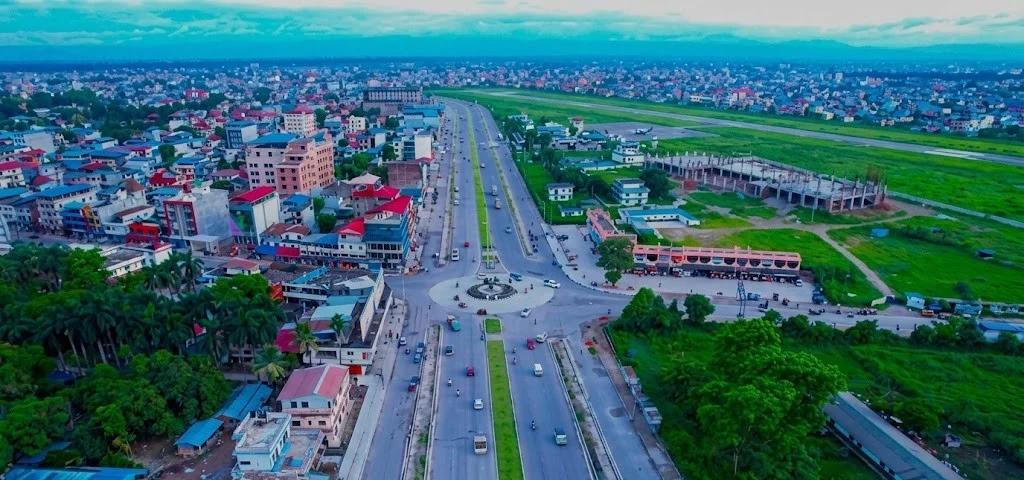
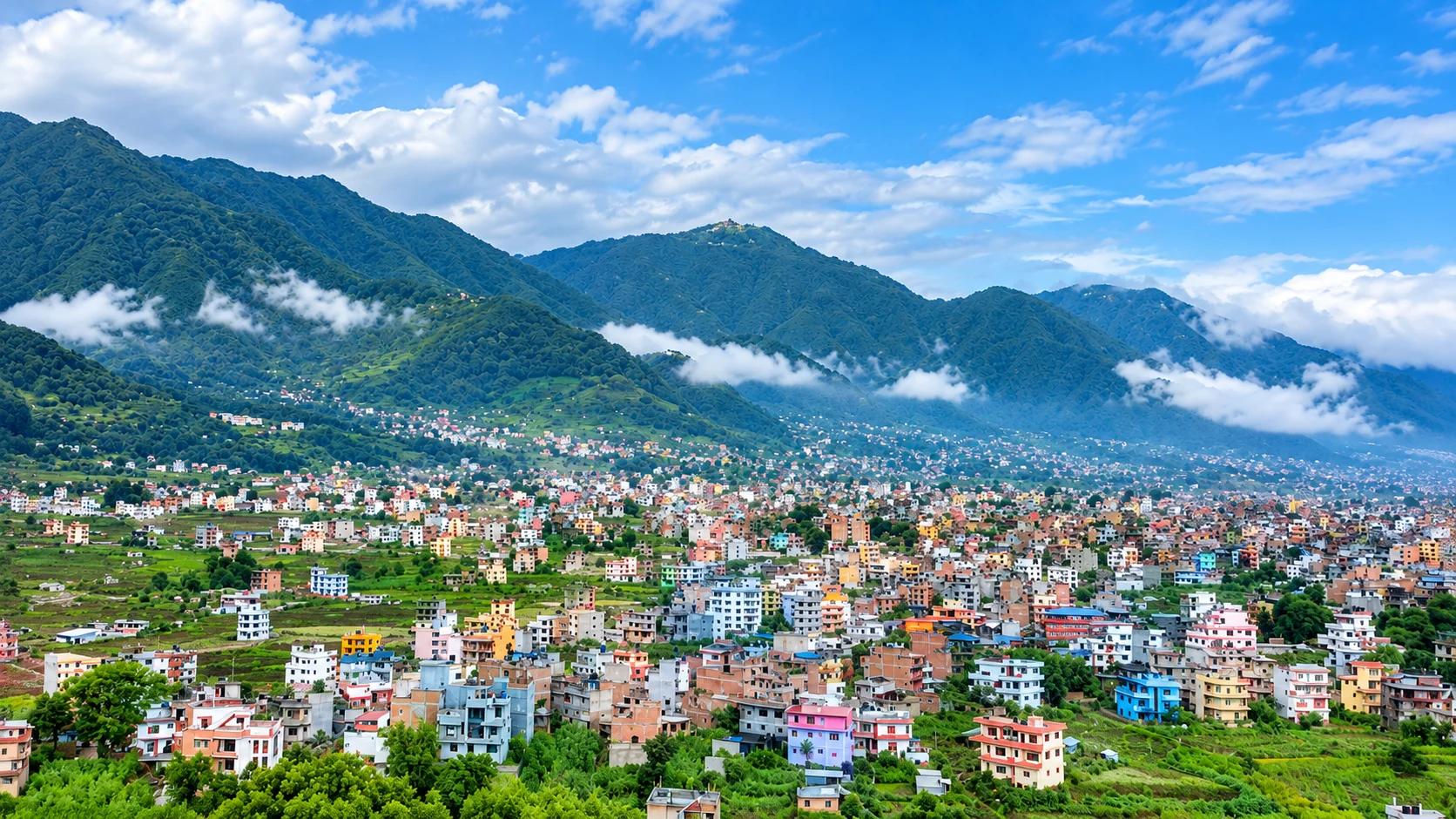
Thinking about moving to Bharatpur, or buying property there? Here is the short version. Bharatpur is one of Nepal’s most livable mid-size cities. It sits in the flat Chitwan valley, the weather is warm, the roads are wide, and your money buys far more space than it does in Kathmandu. Land and rent cost a fraction of the capital, hospitals and colleges are among the best outside Kathmandu, and the city keeps growing every year.
Bharatpur is Nepal’s third most populous city, after Kathmandu and Pokhara. The 2021 census counted 369,377 residents, and the city has been growing at roughly 2.5 percent a year. It became a metropolitan city in March 2017 and is now the second largest metropolis in Nepal by area.
This guide covers what it costs to live here, what property prices look like in 2026, which areas suit which buyers, and the good and bad of daily life. Prices and rules change. Treat every figure here as a 2026 snapshot, and confirm current numbers with a local broker or the land revenue office before you commit.
Quick answer: is Bharatpur a good place to live?
For most families and retirees, yes. Here is why in one glance:
- Affordable. Rent and land cost well below Kathmandu levels. A two-bedroom flat can rent for around NPR 20,000 to 25,000 a month in many areas.
- Well connected. It sits at the crossing of the East-West (Mahendra) Highway and the Kathmandu-Birgunj corridor, with a domestic airport 1.6 km from the city center.
- Strong healthcare and education. The city hosts a national cancer hospital and several medical colleges.
- Flat and easy to build on. No steep hills, wide plots, straightforward construction.
The trade-offs are real too. Summers are hot and humid. It is not a job market like Kathmandu for office and tech work. And some outer areas still have weak drainage and thin public transport. More on all of that below.
Where is Bharatpur and how connected is it?

Bharatpur lies on the western bank of the Narayani River, in the middle of the Chitwan valley. It works as the commercial hub of the whole central Terai. The old bazaar area of Narayangarh (also spelled Narayanghat) is the busiest commercial pocket.
The location is the city’s biggest advantage. Bharatpur sits at the center of the Mahendra Highway, the main east-west road of Nepal, and on the Kathmandu-Birgunj north-south corridor. That puts a lot of the country within a half-day drive. Approximate road distances:
| Destination | Distance from Bharatpur |
|---|---|
| Hetauda | 78 km |
| Gorkha | 67 km |
| Butwal | 114 km |
| Pokhara | 126 km |
| Birgunj | 128 km |
| Kathmandu | 146 km |
If you would rather fly, Bharatpur Airport is only 1.6 km from the main city and is run by the Civil Aviation Authority of Nepal. Buddha Air runs daily flights to Kathmandu (around 25 minutes) and Pokhara (around 20 minutes). That short hop to the capital is a big reason business owner and NRN families like the city.

One more draw. Bharatpur is the gateway to Chitwan National Park, Nepal’s first national park and a UNESCO World Heritage site. The park covers 932 square kilometers and shelters the one-horned rhino, the Bengal tiger, and wild elephants. The tourism that flows through the park supports hotels, restaurants, and jobs across the district.
What does it cost to live in Bharatpur?

Bharatpur is one of the more affordable cities in Nepal for day-to-day living. Costs sit clearly below Kathmandu and a notch below Pokhara for most families.
Rent is the biggest monthly line for most renters. Listings in 2026 put smaller one-bedroom units in the rough range of NPR 7,000 to 16,000 a month. A two-bedroom flat in a central pocket like Pokhari Chowk has been listed around NPR 22,000. Exact rent depends heavily on location, floor, furnishing, and water supply, so read each listing carefully.
Here is a rough monthly picture for a small family. Treat these as ballpark 2026 figures, not fixed rates.
| Expense | Typical monthly range (NPR) |
|---|---|
| Rent (1 to 2 BHK) | 8,000 to 25,000 |
| Electricity | 1,200 to 3,500 |
| Water | 600 to 2,000 |
| Internet (fiber) | 1,200 to 2,500 |
| Groceries (family of four) | 20,000 to 35,000 |
| Local transport | 2,000 to 6,000 |
Food is cheap because Chitwan grows so much of its own produce. Local vegetables, rice, and dairy are fresh and close to the source. A plain local meal runs a couple of hundred rupees. Cafe coffee sits in the NPR 150 to 350 range.
If you want to see current rents and homes side by side, you can browse listings for the area on Basobaas rather than guessing from averages.
Bharatpur real estate prices in 2026

First, a quick note on units. Chitwan is in the Terai, so land here is measured in bigha, kattha, and dhur, not in ropani and aana like the hills. One bigha equals 20 kattha. One kattha equals 20 dhur. One kattha is roughly 3,645 square feet, and one dhur is roughly 182 square feet. If you are coming from Kathmandu, keep this in mind so you do not misread a price.
Land prices vary a lot by location. Plots near the hospital zone, Narayanghat bazaar, Hakim Chowk, Chaubiskoti, and the main road corridors sell for far more than quieter land. Village pockets on the edge, in Jagatpur or Patihani, cost much less. Commercial frontage on a wide road is the priciest of all.
Public 2026 listings show a wide spread. Some broker sites advertise Bharatpur land starting in the low tens of lakhs per aana-equivalent for prime pockets, while dhur-based quotes on the outskirts can be a few lakh rupees per dhur. Because listing prices and asking prices differ from final sale prices, use these only as a starting reference. Get two or three local comparables before you make an offer.
On the trend, several Nepali property outlets report that Bharatpur land has appreciated strongly over the past five years, with some sources citing annual gains in the range of 15 to 25 percent. Growth like that is not guaranteed to continue, and it is not even across the city. Road upgrades, new bridges, and the airport all push nearby land up, while remote plots move slowly.
A few practical points for buyers:
- Confirm the road access in writing. A plot with a registered access road (ghar bato) is worth far more than a landlocked one.
- Check the land use. Some plots are still classified as agricultural, which limits what you can build.
- Watch the monsoon line. Chitwan is flat, and low plots near old river channels can flood. Visit in the rainy season if you can.
Which areas of Bharatpur should you consider?
The right pocket depends on your budget and your daily needs. Here is a simple breakdown.
Central Bharatpur and Narayanghat. This is the commercial heart, near Hakim Chowk, Pulchowk, and the main bazaars. Good for business owners and anyone who wants everything walkable. Land and rent are highest here. Traffic and noise are the trade-off.
Hospital and college belt. The area around the cancer hospital and the medical colleges has steady rental demand from students, staff, and patients’ families. If you are buying for rental income, this belt is worth a close look.
Bharatpur-10 and Bharatpur-11 pockets. Popular residential wards with a mix of colonies and standalone homes. A middle-ground on price with decent amenities.
Jagatpur, Patihani, and outer wards. Quieter, greener, and cheaper. These suit buyers who want a large plot or a farmhouse feel and do not mind a longer drive to the center. Public transport is thinner out here.
If you are still deciding between a city plot and a village-edge plot, think about the next ten years, not just today. A quiet edge pocket that gets a new road can change fast.
Daily life: schools, hospitals, and amenities

Healthcare is one of Bharatpur’s real strengths. The city is home to the B.P. Koirala Memorial Cancer Hospital, a national tertiary cancer center. It also hosts the College of Medical Sciences, founded in 1996, and Chitwan Medical College, which runs a large teaching hospital with hundreds of beds. For a family, that means serious medical care without a trip to Kathmandu.
Education follows the same pattern. Alongside the medical colleges, Bharatpur has a wide range of schools and colleges drawing students from across the central Terai. That student population is part of what keeps the rental market healthy.
For shopping, dining, and errands, Narayanghat and central Bharatpur cover the basics well, with markets, banks, and a growing number of cafes and restaurants. The park tourism keeps a steady stream of hospitality options in and around the city.
The downsides you should weigh
No city is perfect, and Bharatpur has clear trade-offs.
The heat is the big one. Chitwan sits in the lowland Terai, so summers are hot and humid, and the pre-monsoon months can feel heavy. If you are used to Kathmandu’s cooler air, plan for fans, and budget for cooling.
Jobs are the second point. Bharatpur has strong healthcare, education, agriculture, trade, and tourism sectors. It is not, however, a corporate or tech job hub the way Kathmandu is. Many residents run their own businesses or work in the local service economy.
Infrastructure is uneven. The core roads are wide and good, but drainage in some newer or outer pockets is weak, and monsoon waterlogging happens. Public transport within the city is improving but still patchy compared to the capital. And air quality can drop during the dry season when farmers burn stubble in the wider region.
Who is Bharatpur best for?
Bharatpur tends to suit these buyers and renters:
- Families who want space, good hospitals, and schools without Kathmandu prices.
- Retirees who want a warm, flat, low-cost city with strong medical care nearby.
- Investors eyeing rental demand near the hospital and college belt, or land in a growth corridor.
- NRNs and business owners who value the quick flight to Kathmandu and the central highway location.
It is a weaker fit if you need a big-city office job market, or if you cannot handle hot, humid summers.
Frequently asked questions
Is Bharatpur cheaper than Kathmandu?
Yes, clearly. Land, rent, and daily costs all sit well below Kathmandu levels. Your budget stretches to a bigger plot or a larger flat here than it would in the capital.
How far is Bharatpur from Kathmandu?
About 146 km by road, or roughly a 25-minute flight with Buddha Air from Bharatpur Airport, which is only 1.6 km from the city.
What units is land measured in around Bharatpur?
Terai units: bigha, kattha, and dhur. One bigha is 20 kattha, and one kattha is 20 dhur. This is different from the ropani and aana used in the hills.
Is Bharatpur a good place to invest in property?
It can be. Land near the hospital zone, the bazaars, and the main road corridors has seen strong demand, and some outlets report double-digit annual price growth over recent years. Past growth is not a promise of future returns, so verify current comparables and check the plot’s papers before you buy.
What is the weather like?
Warm most of the year, with hot and humid summers and a heavy monsoon. Winters are mild and pleasant.
Which areas have the best rental demand?
The belt around the cancer hospital and the medical colleges has steady demand from students, staff, and visiting families, which makes it popular with rental investors.
The bottom line
Bharatpur offers a rare mix in Nepal: a real city with hospitals, colleges, and an airport, but with land and living costs that Kathmandu buyers can only dream about. It keeps growing, it is easy to reach, and it is easy to build on. Weigh the summer heat and the softer job market against those strengths, visit in more than one season, and check every plot’s papers and road access before you sign.
Ready to see what is available? Browse current homes and land listings for Bharatpur and the wider Chitwan district on Basobaas, or list your own property if you are selling in the area.
Related reading on Basobaas: How to Buy Land in Nepal: A Complete Step-by-Step Guide, our guide to checking for disputed land before you buy, and our neighborhood guides for other cities like Pokhara.
Latest Posts
Fresh reads from Basobaas