Best Places to Buy Land in Pokhara: An Area-by-Area Price Guide
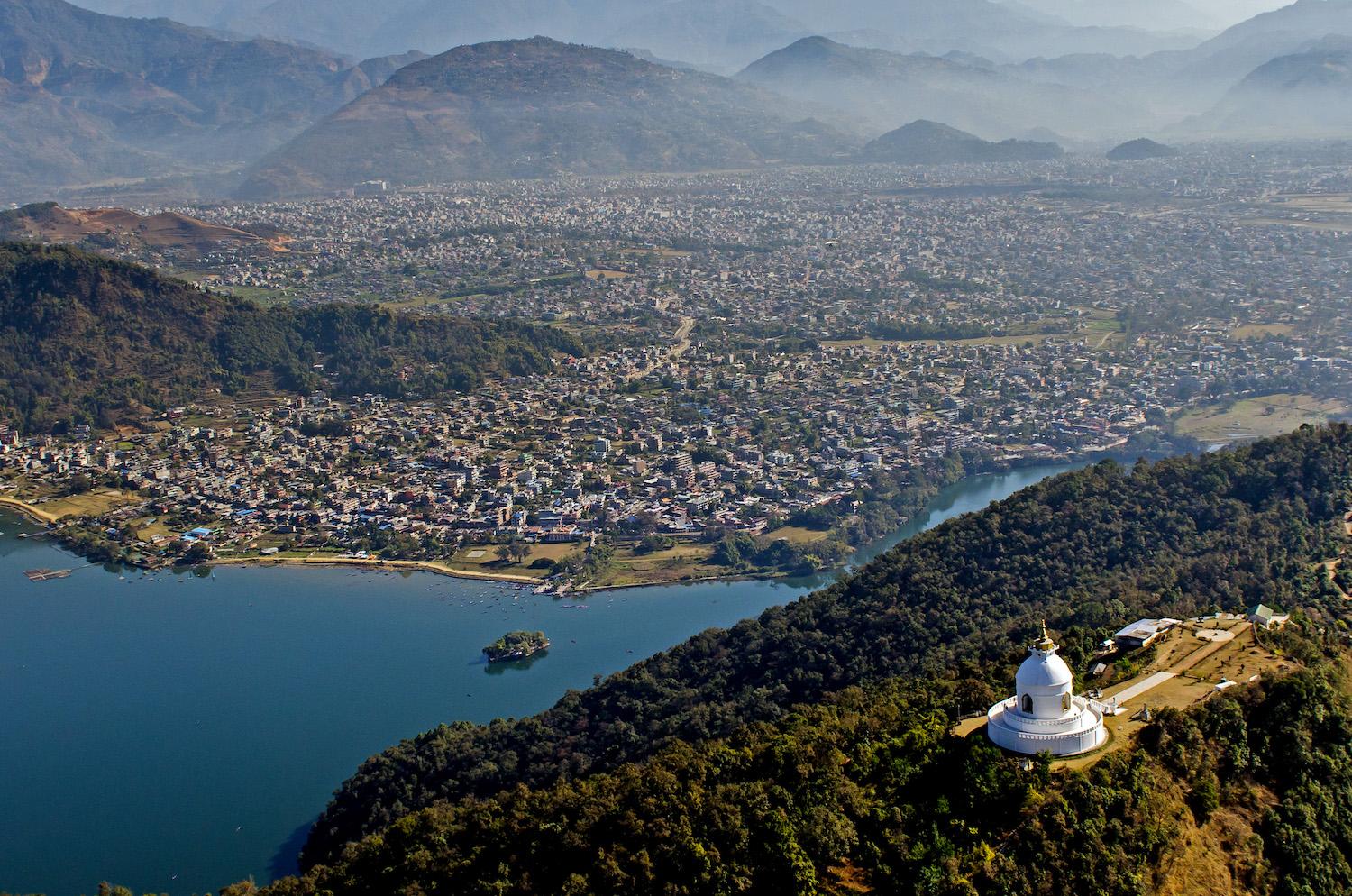
Thinking about buying land in Pokhara? Here is the short answer on where to look. Choose Lakeside (Baidam) for tourism income and prestige. Choose Bagar and the central chowks for a business location. Choose Hemja or the old Lekhnath belt for space at a lower price. Each area trades off cost against convenience in a different way.
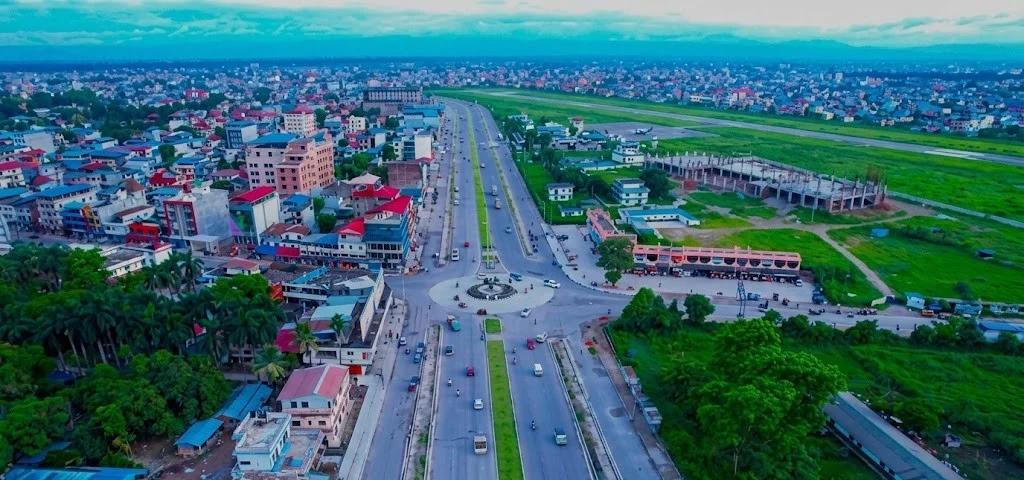
Pokhara is Nepal’s second city for property demand, and it does not behave like Kathmandu. Here, the view, the lake, and the tourists set the price. A plot near Phewa Tal can cost more than a similar plot in central Kathmandu, simply because someone can build a hotel on it. Meanwhile, land 20 minutes out toward Lekhnath can be a fraction of that.
This guide walks through the main areas, gives realistic 2026 price ranges per aana, and points out who each area actually suits. Prices here are reference ranges from market listings and published valuations. Your specific plot will depend on road width, orientation, and how close the nearest paved road is.
Quick answer: where to buy land in Pokhara by goal
Here is the short version before the detail.
- Tourism or hotel plans: Lakeside (Baidam), roughly NRS 40 to 70 lakh per aana, higher right on the lakefront.
- Business or shopfront: Bagar, New Road, Prithvi Chowk, roughly NRS 30 to 55 lakh per aana.
- Family home, mid-budget: Chipledhunga, Nayabazar, Srijana Chowk area, roughly NRS 20 to 35 lakh per aana.
- Space and value: Hemja and developed parts of old Lekhnath, roughly NRS 15 to 25 lakh per aana for prime road plots, less further out.
- Long-term hold, lowest entry: outer Lekhnath and peripheral Kaski, from a few lakh per aana, but check road access and land classification first.
Remember that Pokhara uses the hill measurement system. One ropani equals 16 aana. One aana is 342.25 square feet. So a plot priced at NRS 30 lakh per aana works out to roughly NRS 4.8 crore per ropani.
Why Pokhara land prices are different from Kathmandu

In Kathmandu, land value comes from road access and residential demand. In Pokhara, tourism adds a premium that pure housing demand does not create. A patch of ground with a Phewa Tal or Machhapuchhre view carries a price that a plot of the same size in a back lane does not.

The Pokhara International Airport is part of this story, though the reality is more sober than the headlines. The airport was inaugurated on January 1, 2023. For most of the three years after that, it sat without regular international flights. That changed only recently. Flydubai is set to begin daily Dubai to Pokhara flights from September 23, 2026, the first scheduled daily international service to the city.
Why does this matter to a land buyer? Because a lot of the price growth around the airport and in Lakeside was priced on the promise of international traffic, not the reality of it. If the flights stick and grow, land near the airport and in tourist zones has room to rise. If they do not, some of that optimism is already baked into current asking prices. Buy on what the area is today, not only on what a brochure says it will become.
Lakeside (Baidam): the premium tourism zone

Lakeside is the obvious first stop. It runs along the eastern shore of Phewa Tal and holds most of Pokhara’s hotels, restaurants, and tourist shops.

Market rates in 2026 sit in the range of NRS 40 to 70 lakh per aana for standard residential and commercial plots. Land right on the lakefront, suited for a hotel or restaurant, can pass NRS 1 crore per aana for a prime commercial parcel. You will also see individual listings well below that range, sometimes around NRS 25 lakh per aana. These tend to be plots set back from the main strip or in the outer wards of Pokhara-6. That spread is normal. Distance from the water and road frontage move the number a lot.
Who should buy here? People who plan to earn from the land. A guesthouse, a cafe, a rental building for tourists. If you just want a family home, Lakeside is an expensive way to get one, and the area is busy and noisy in peak season. For an income property tied to Nepal’s tourism recovery, though, it is the address that holds its value best.
Bagar, New Road, and Prithvi Chowk: central and commercial

Move inland from the lake and you reach the commercial heart of Pokhara. Bagar, New Road, and the Prithvi Chowk area mix shops, offices, and homes. Market rates here run roughly NRS 30 to 55 lakh per aana. A prime road plot in Bagar can ask around NRS 48 lakh per aana based on current listings.
This belt suits business-minded buyers. If you want a shopfront, a commercial building, or a home that doubles as a rental in a central spot, this is the zone. You give up the lake view, but you gain everyday convenience. Schools, the bus park, hospitals, and markets are all close.
Chipledhunga, Nayabazar, and Srijana Chowk: mid-zone family areas

Between the premium core and the outskirts sits Pokhara’s mid-zone. Areas around Chipledhunga, Nayabazar, and Srijana Chowk draw the city’s working families. Market rates here are roughly NRS 20 to 35 lakh per aana.
This is where a lot of ordinary home buyers actually land. You are still inside the city, with good roads and services, but you are not paying tourism prices. For a family that wants to live and work in Pokhara without stretching the budget to Lakeside levels, this middle band is the practical choice.
Hemja: space on the Baglung highway side

Hemja lies to the northwest of the city, along the road toward Baglung. It has grown into a popular residential area for people who want more land per rupee and a quieter setting. Prime plots in Hemja have been listed around NRS 32 lakh per aana, though you can find lower prices as you move off the main road.
Hemja appeals to families and to buyers who want a larger plot for a house with a garden. It is also close enough to the university and to the airport road to stay connected. The trade-off is a longer trip into central Pokhara and Lakeside, so weigh your daily commute before you commit.
Lekhnath and the outer belt: the value play

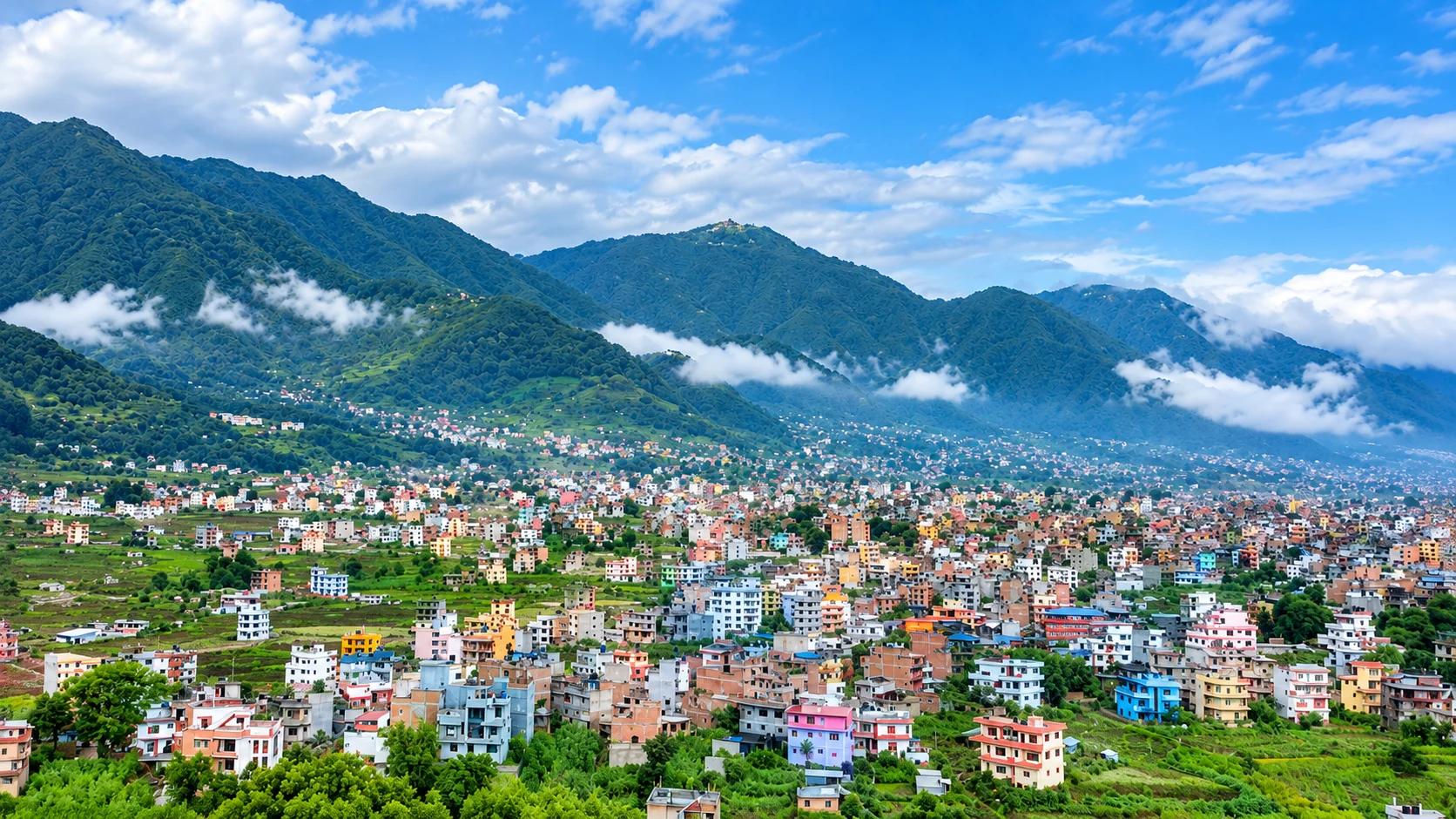
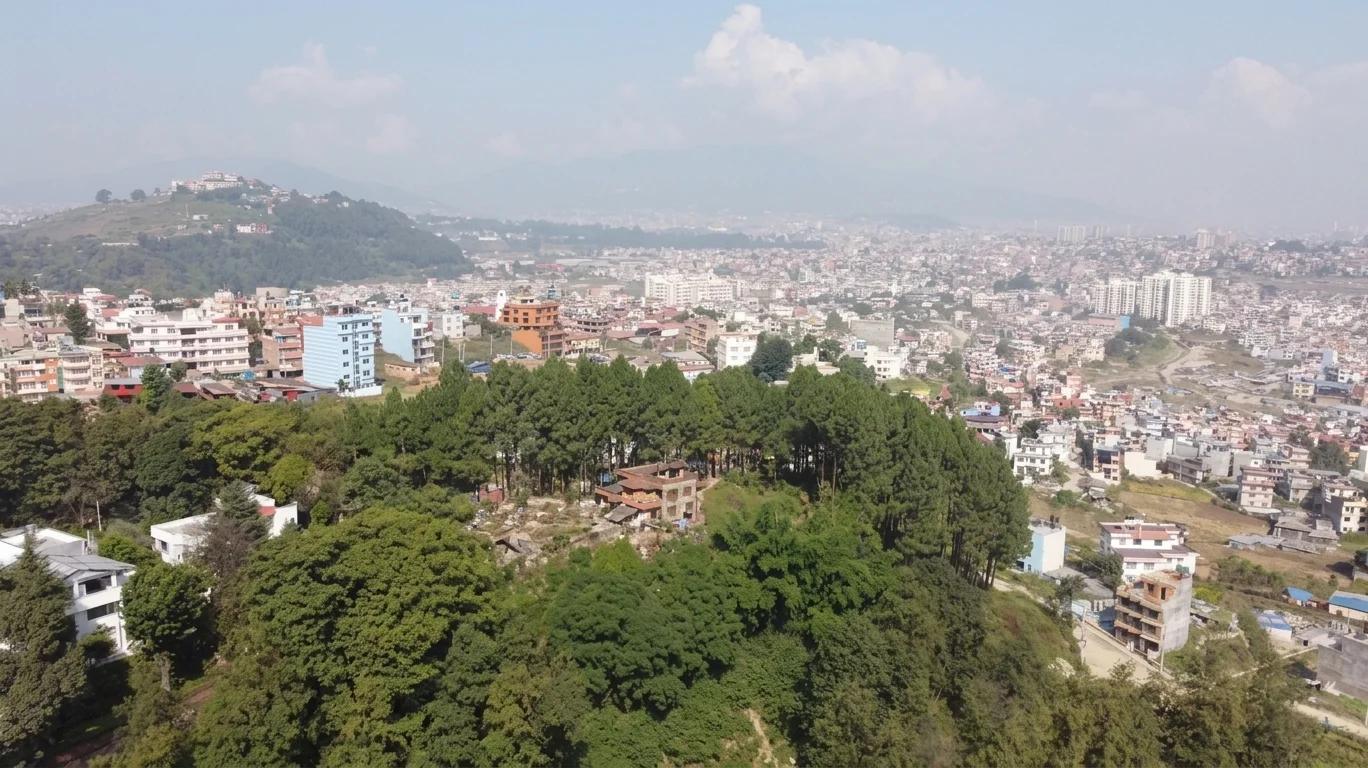
Old Lekhnath, now part of greater Pokhara Metropolitan City, covers the eastern side of the region around Pokhara wards 12 to 33. This is the value zone. Market rates swing widely, from about NRS 5 to 15 lakh per aana in outer areas, up to NRS 22 lakh and more per aana for developed plots on paved roads. Remote plots with poor access can list for just a few lakh per aana.
Road access is the single biggest price driver out here. A plot on a paved road can cost three times a similar plot on an unpaved track. That gap is also your opportunity. Land near a road that is due to be blacktopped can rise sharply once the work is done. It is also your risk, since an access road that never gets built leaves you with land you cannot easily develop or sell.
Beyond Lekhnath, peripheral Kaski holds agricultural land at roughly NRS 2 to 5 lakh per aana. Be careful here. Much of this is classified as agricultural (krishi) land. You cannot build a house on it without converting it to residential use first, which needs municipality approval and adds cost and time.
A quick price comparison
Here is the picture in one place, per aana, for 2026.
| Area | Market rate per aana (NPR) | Best for |
|---|---|---|
| Lakeside (Baidam), lakefront | 40 to 70 lakh, 1 crore-plus on the water | Tourism, hotels, income |
| Bagar, New Road, Prithvi Chowk | 30 to 55 lakh | Business, central living |
| Chipledhunga, Nayabazar, Srijana Chowk | 20 to 35 lakh | Family homes, mid-budget |
| Hemja | around 15 to 32 lakh | Space, larger plots |
| Developed Lekhnath (paved road) | 15 to 25 lakh | Value with connectivity |
| Outer Lekhnath, peripheral Kaski | 2 to 15 lakh | Long-term hold, patience |
Treat these as bands, not quotes. Two plots on the same street can differ by 30 percent based on facing, road width, and shape.
What to check before you buy land in Pokhara
Price is only half the job. Before you sign anything, verify the plot itself. These checks apply anywhere in Nepal, and skipping them is how buyers lose money.
Start with the lalpurja (title deed). Confirm the seller’s name, the plot number, and the stated area against the original document. Then visit the local Land Revenue Office (Malpot Karyalaya) and ask for the field book, which shows ownership history and any registered mortgage.
Check the land classification. If it is agricultural, you cannot build a home on it until it is converted, and conversion is not guaranteed. Ask whether any conversion application is already in progress.
Measure the road access width. Most municipalities require a minimum of about 5 meters (roughly 16 feet) of road frontage for a standard building permit. A pretty plot on a 3-foot path is a problem waiting to happen.
Look for a bank lien (dhito). If the land is pledged against a loan, the bank has first claim. Ask the seller for a no-objection letter from the bank, or confirm through the field book.
Finally, hire a licensed surveyor to run a boundary check (chepraja) before you finalize. Old records carry errors, and neighbors sometimes encroach. A survey costs roughly NRS 5,000 to 15,000 and can save you from a dispute later.
For the wider process, our guide on how to buy a house in Nepal covers registration step by step, and the common mistakes people make when buying land or a house is worth reading before you commit. If you are buying from abroad, see our notes on the legal rules for NRNs buying property in Nepal.
Budgeting for taxes and fees
The sticker price is not the total cost. Land registration in Nepal carries a fee of about 4 percent of the government valuation (the malpot rate), which is usually lower than the market price you actually pay. There are also service and stamp charges on top.
One useful detail: Nepal offers a registration fee discount for land registered in a woman’s sole name. The exact rate is set each year in the Finance Act, so confirm the current figure at the Land Revenue Office before you register. For many families, putting the plot in a wife’s or mother’s name is a legitimate way to cut the registration bill.
Government valuation and market rates also both matter for a second reason. Your registration cost and any future capital gains tax are figured from the government rate, while your negotiation happens at the market rate. Knowing both numbers keeps you from overpaying or undervaluing.
Frequently asked questions
How much does land cost in Pokhara in 2026?
It depends heavily on the area. Lakeside runs about NRS 40 to 70 lakh per aana, with lakefront commercial land passing NRS 1 crore per aana. Central Bagar sits around NRS 30 to 55 lakh, mid-zone family areas around NRS 20 to 35 lakh, and outer Lekhnath from a few lakh up to about NRS 25 lakh per aana for developed road plots.
Which area of Pokhara is best for investment?
For tourism income, Lakeside holds value best. For growth potential at a lower entry price, developed plots in Lekhnath and Hemja on good roads are worth a look, especially where road upgrades are planned. Just avoid buying purely on airport hype, since regular international flights only began arriving in late 2026.
Is buying land in Pokhara a good idea right now?
It can be, if you buy on today’s fundamentals rather than future promises. Tourism is recovering and the airport finally has a scheduled daily international flight from September 2026. But the market has already priced in a lot of optimism in the tourist zones, so focus on road access, clear title, and a price backed by real comparable sales.
Can a Non-Resident Nepali (NRN) buy land in Pokhara?
Nepali citizens can buy freely. NRNs face specific rules and limits, and often use a power of attorney to handle the process remotely. Read our NRN property guide before you start, and get a lawyer to confirm your eligibility for the exact type of purchase you have in mind.
What is the cheapest way to buy land near Pokhara?
Outer Lekhnath and peripheral Kaski have the lowest per-aana prices, sometimes just NRS 2 to 5 lakh per aana. The catch is road access and land classification. Much of the cheapest land is agricultural and needs conversion approval before you can build, so factor that cost and delay into your plan.
How do I convert land price from aana to ropani in Pokhara?
One ropani equals 16 aana. Multiply the per-aana price by 16 to get the per-ropani figure. So NRS 25 lakh per aana is NRS 4 crore per ropani. One aana is 342.25 square feet, and one ropani is 5,476 square feet.
The bottom line
Pokhara rewards buyers who match the area to their goal. Pay Lakeside prices only if you plan to earn from tourism. Choose Bagar or the central chowks for a business address. Look to Hemja and Lekhnath for space and value, and check road access carefully out there. Whatever you pick, verify the title, the land classification, and the boundary before you hand over any money.
Ready to start looking? Browse current land listings in Pokhara on Basobaas to see real asking prices by area and post your own plot if you are selling.
Latest Posts
Fresh reads from Basobaas