Living in Kirtipur: A Real Estate and Lifestyle Guide
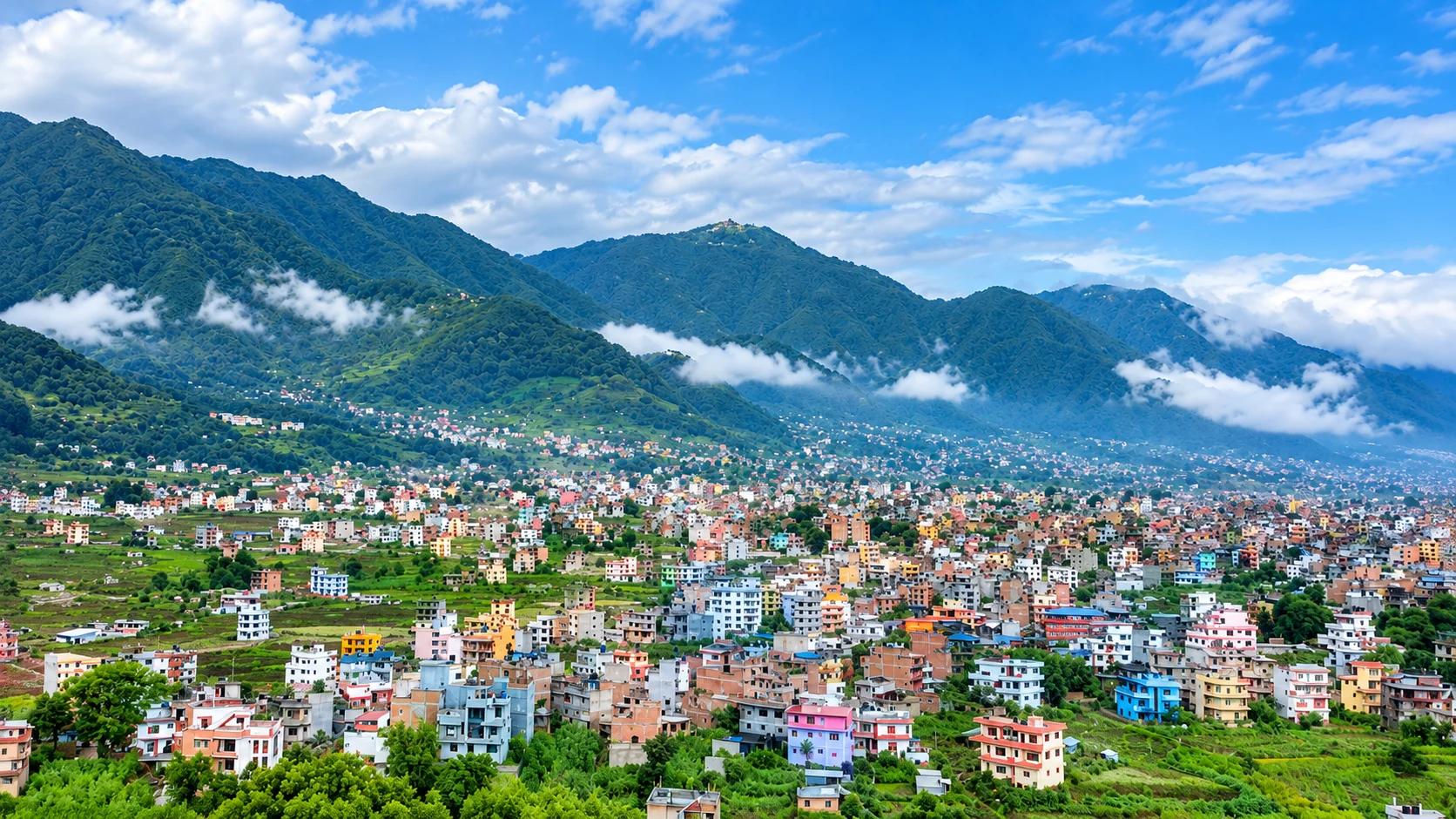
Thinking about living in Kirtipur? Here is the short version. Kirtipur is an old Newar hill town on the southwest edge of the Kathmandu Valley, about 5 to 7 km from central Kathmandu. It gives you heritage streets, a big university, cooler air on the ridge, and land and rent that still cost less than most of central Kathmandu. The trade-off is a narrower, hillier road network and a commute that gets slow at peak hours.
If you want authentic old-town character, student-town energy, and prices below Baneshwar or Baluwatar, Kirtipur is worth a serious look. If you need a five-minute drive to a corporate office in Durbar Marg every morning, it may test your patience.
Here is the fuller picture for renters, buyers, and investors.
Quick answer: is Kirtipur a good place to live?
Kirtipur suits students, university staff, young families, and buyers who want more space for their money. It has a real community feel, strong local culture, and decent day-to-day amenities. Land prices, based on 2026 listings, run roughly NPR 23 lakh to 53 lakh per aana depending on road access and location, which is below many core Kathmandu pockets. Rentals skew affordable too, especially rooms and small flats near Tribhuvan University.
The main drawbacks are traffic on the approach roads at rush hour and some steep, narrow lanes in the old core. There are also fewer high-end apartment complexes than in areas like Bhaisepati or Budhanilkantha. For most people the value more than makes up for it.
Where is Kirtipur and what is it like?

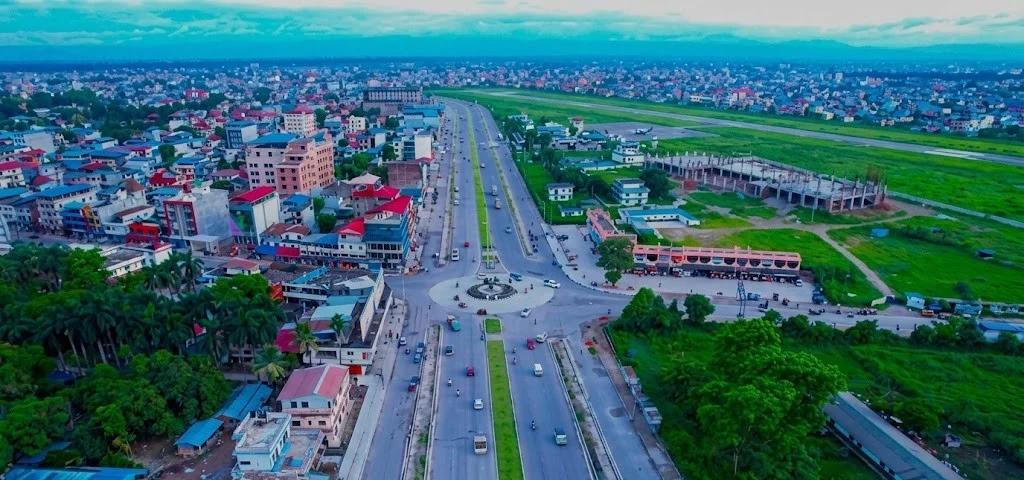
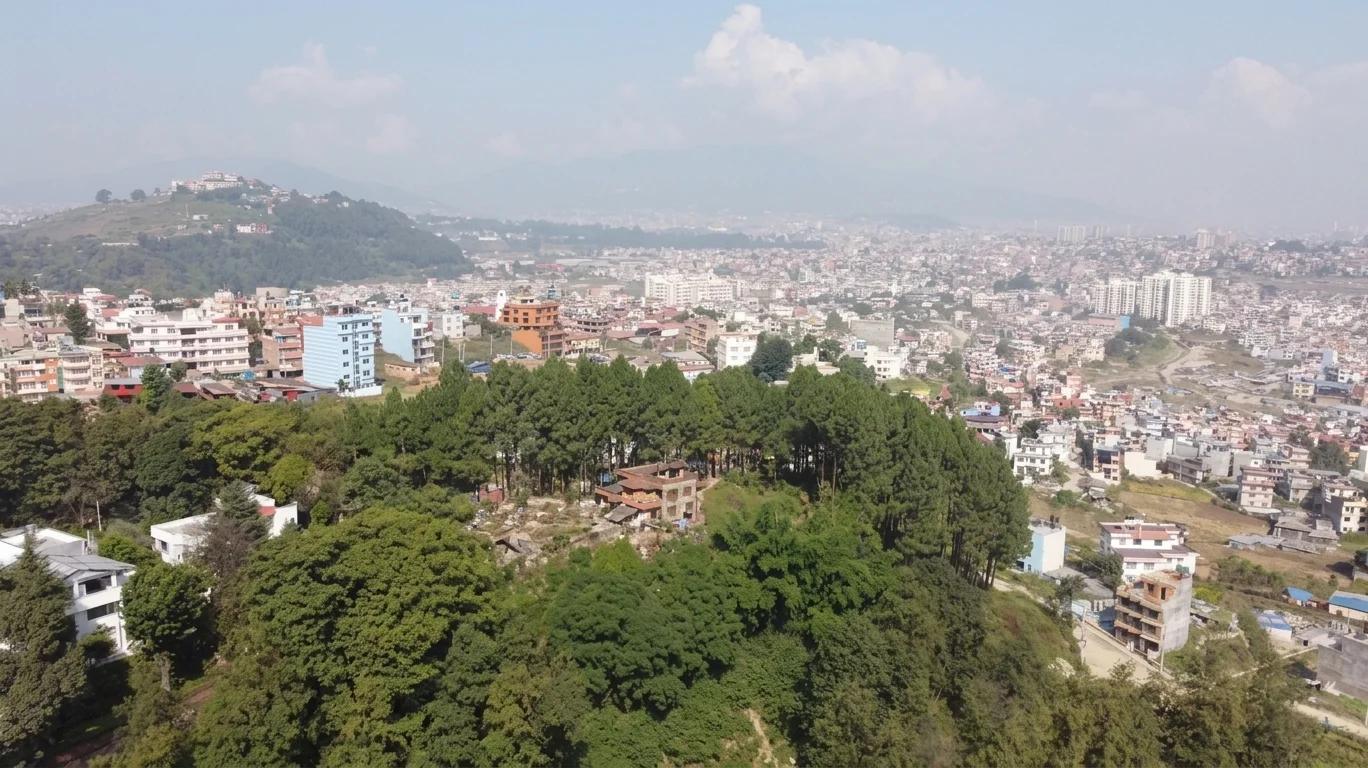
Kirtipur sits about 5 km southwest of Kathmandu city, perched on a rocky ridge between roughly 1,300 and 1,500 meters. The old town climbs the hill. Tribhuvan University and the newer settlements spread out below it. The Bagmati River curves along the east side, and Chandragiri Municipality lies to the west.
Kirtipur is its own municipality inside Kathmandu District. As of the 2021 census it had a population of about 81,578 people across 10 wards, with a literacy rate near 89 percent. That high literacy is no accident. The country’s largest university sits right here, and the town has drawn students, teachers, and researchers for decades.
Walk through the old core and you get stone-paved lanes, small temple squares, and traditional Newar houses with carved windows. It feels lived-in, not staged for tourists. People still gather in the bahal courtyards. Butter lamps still burn at the shrines. For a lot of residents, that daily texture is the whole reason they moved here.
The university town factor

You cannot talk about Kirtipur without talking about Tribhuvan University. TU is the oldest and largest university in Nepal, and its central campus covers a big green stretch of Kirtipur. That single fact shapes the whole local economy.
Around the campus you find cheap eateries, bookshops, print and photocopy shops, hostels, and rooms for rent aimed at students. If you are a student or you work at the university, living here saves you a long commute and a lot of money. If you are an investor, that steady student demand is a reliable rental base. Rooms and small flats near the campus rarely sit empty for long.
The flip side is that some pockets feel very student-focused, with the noise and turnover that come with it. Families often prefer the quieter residential lanes a little further from the campus gate, in areas like Panga, Chobhar side settlements, or the newer plotted colonies down the hill.
Kirtipur real estate prices in 2026
Let me set expectations before the numbers. Prices in the Kathmandu Valley move a lot, and two plots in the same ward can differ by 40 percent because of road width, slope, soil, plot shape, drainage, and clear title. Treat the figures below as 2026 asking-price ranges from listing portals, not fixed rates. Always verify the exact plot before you commit.
Land prices
Based on property listings in 2026, land in Kirtipur is asking roughly NPR 23 lakh to 53 lakh per aana. A few examples seen on listing sites give the flavor:
- Around NPR 27 lakh per aana in the Dhulpokhari area
- Around NPR 32 lakh per aana near Panga, Balkumari
- Around NPR 38 lakh per aana for semi-commercial land near Charghare
For context, the reported median asking price across the wider Kathmandu Valley in early 2026 was near NPR 38.5 lakh per aana, and valley prices had cooled from their 2023 peak. So Kirtipur’s lower end sits comfortably below the valley median, while roadside and semi-commercial plots reach up toward it. Plots on wide, motorable roads and near the Ring Road connection cost more. Interior plots up steep lanes cost less.
Rental prices
Rentals cover a wide band. Student rooms and single rooms near the campus can be quite cheap by valley standards. Full family flats and newer apartments cost more. A few furnished or larger places have listed well above that. One Than Bahah listing was seen at NPR 60,000 per month in 2026.
As a rough guide, a simple room sits at the low end. A modest 2BHK flat lands in the mid range. Newer or furnished flats reach the top of Kirtipur’s local band. Basobaas listings show Kirtipur turning up in the under NPR 20,000 budget bracket for flats, which is part of the appeal for renters priced out of central areas. Confirm current rates on live listings before you budget, since rents shift with season and demand.
Getting around: connectivity and commute
Kirtipur connects to the rest of the valley mainly through Balkhu, which is only about 2 to 3 km from the town and links you straight onto the Ring Road. From Balkhu you can reach Kalanki, Ekantakuna, and the wider valley road network.
Public transport is easy on the wallet. Local buses and microbuses run between Kirtipur and Ratna Park, Balkhu, and other hubs through the day. A bus ride into central Kathmandu takes roughly 30 to 45 minutes depending on traffic. By private vehicle off-peak it is quicker, but the approach roads bunch up at morning and evening rush.
Here is the honest bit. The roads inside the old town are narrow and steep in places, and the main routes in and out can crawl at peak times. If your job or your kids’ school is on the far side of the valley, factor in real commute time and test the drive at 9 am before you decide. For people who work in Kirtipur, study at TU, or work from home, connectivity is a non-issue.
Amenities: schools, health, shopping, daily life
Day-to-day life in Kirtipur is well covered.
For education, beyond Tribhuvan University there are schools and colleges across the municipality, so families are not short of options. The student population also means plenty of tuition centers and libraries.
For health, there are clinics and pharmacies locally, and the bigger hospitals of Kathmandu are reachable through Balkhu and the Ring Road. Many residents use the larger facilities near Balkhu, Kalanki, and central Kathmandu for serious care.

For shopping and food, you have local markets, grocery stores, tea shops, and the well-known Newari eateries that Kirtipur is loved for. If you have never tried a plate of local Newari food here, that alone is a reason some people move in. For big retail and malls, people head down to the Ring Road belt.
Water supply and the usual valley utility issues apply here as they do across Kathmandu, so check the water situation of any specific house before you sign. Ask neighbors, not just the owner.
Heritage and lifestyle: why people fall for Kirtipur

The lifestyle pull is real. Kirtipur is one of the oldest towns in the valley, and it wears its history openly.

The Bagh Bhairab Temple sits at the heart of the old town and anchors local worship and festivals. Chilancho Bahal, a stupa complex on a rise, gives you quiet and a view over the terraces. The Uma Maheshwar temple crowns the top of the hill, and the climb up rewards you with a wide look across the valley. Stepped stone streets, old city walls, and small plazas fill the spaces between.

Festivals run through the year with strong local participation, and the Newar community keeps its rituals and food culture alive in a way that feels genuine rather than performed. For many residents, that sense of belonging to a real community is the deciding factor. You are not in an anonymous colony. You are in a town with a memory.
If you value peace, culture, cooler ridge-top air, and a slower pace, Kirtipur delivers. If you want nightlife, big malls, and a wide flat road to everywhere, this is not that place.
Who should consider living in Kirtipur?
Kirtipur is a strong fit if you are:
- A student or university staff member who wants to live near campus and cut commute cost
- A young family looking for more space and a real community at a lower price point
- A buyer who wants land or a house below central Kathmandu rates and does not mind a hillside setting
- An investor after steady rental demand from the student population
- Anyone who loves Newar heritage and a quieter, walkable old town
It is a weaker fit if you need a short daily drive to the east or north of the valley, you want a large modern apartment complex with full facilities, or narrow and steep lanes are a problem for your household.
Tips before you buy or rent in Kirtipur
A few practical points learned the hard way by valley buyers:
- Check the lalpurja and confirm clear title before any money changes hands. Verify there is no roka or dispute on the plot at the local land revenue office.
- Confirm real road access. A cheap interior plot with no motorable road is cheap for a reason.
- Test the commute at peak hours, not on a quiet Saturday afternoon.
- Ask about water supply and drainage for the specific house, since this varies street by street.
- Compare at least three or four listings in the same pocket before you fix a price, because asking prices vary widely.
Frequently asked questions
Is Kirtipur a good place to live in Kathmandu? Yes, for the right person. It offers heritage, community, a big university, and prices below central Kathmandu. The main downsides are peak-hour traffic on the approach roads and some steep, narrow old-town lanes.
How much does land cost in Kirtipur? Based on 2026 listings, land asks roughly NPR 23 lakh to 53 lakh per aana, with roadside and semi-commercial plots at the higher end. Prices vary a lot by road access, slope, and title, so verify each plot.
How far is Kirtipur from Kathmandu? About 5 to 7 km from central Kathmandu. It connects to the Ring Road through Balkhu, which is only about 2 to 3 km away. A bus into the city center takes roughly 30 to 45 minutes depending on traffic.
Is Kirtipur good for students? Very much so. Tribhuvan University’s central campus is here, and the area has affordable rooms, cheap food, bookshops, and hostels built around student life.
What is Kirtipur known for? An old Newar hill town with strong heritage, Tribhuvan University, temples like Bagh Bhairab, Chilancho, and Uma Maheshwar, and well-loved Newari food. It is one of the oldest towns in the valley.
Is Kirtipur a good place to invest in property? It can be. Steady student rental demand and prices below central Kathmandu make it attractive for buy-to-let. As always, buy on a clear title and a motorable road, and check current rental rates before you count on a yield.
Ready to look at Kirtipur?
Kirtipur rewards people who want value, character, and community over shine and speed. If that sounds like you, the next step is to see what is actually on the market right now.
Browse current Kirtipur listings on Basobaas to compare real prices, and if you own a place here, you can post your property to reach buyers and renters looking in exactly this area.
For more valley context, see our guides on land prices in Kathmandu for 2026, how to rent an apartment in Kathmandu, and top localities to buy property in Kathmandu.
Prices and figures in this guide reflect 2026 listings and public data and can change. Verify current rates and plot details before you buy or rent.
Latest Posts
Fresh reads from Basobaas