How to Hire a Building Contractor in Nepal: A Step-by-Step Guide

Hiring the right building contractor in Nepal is the single biggest decision you will make once you own a plot. Get it right and your house goes up on time, on budget, and to code. Get it wrong and you are stuck with cracked plaster, half-finished slabs, and a dispute that drags on for months.
Here is the short version. To hire a contractor in Nepal, start by checking their license and past work. Agree on the contract type, either labor only or labor plus materials. Put everything in a written agreement. Then release money in stages tied to real progress. Never pay a large lump sum upfront. Keep a retention amount until the work passes a final check.
This guide walks through every step, with the local details that actually matter in Kathmandu, Lalitpur, Pokhara, and beyond.
Quick answer: the 7 steps to hire a contractor in Nepal

- Get your drawings and Naksa Pass sorted first.
- Decide your contract type: labor only or full (labor plus materials).
- Shortlist three to four contractors from referrals and past sites.
- Verify their license class, PAN or VAT, and finished projects.
- Collect written quotes on the same scope so you can compare fairly.
- Sign a detailed written contract with a clear payment schedule and retention.
- Supervise, document, and pay only against completed, checked work.
Do you actually need a licensed contractor?

For a private home, many owners in Nepal work with a small contractor or a mason team (a “thekedar”) rather than a big registered firm. That is common and legal for small work. But there is a formal system worth knowing.
Nepal classifies construction firms into four license classes: A, B, C, and D. This sits under the Construction Business Act, 2055 (1999). Class D is the entry level for small local projects. As of 2026, a Class D firm can take contracts up to about NPR 6 million, and the license is issued by the local government (your municipality or ward). Classes A, B, and C handle larger regional and national work and are licensed by the federal government.
A registered firm will have a PAN or VAT number, a company registration with the Office of the Company Registrar, and a ward registration. If you want proper tax bills, warranties you can enforce, and a paper trail if things go wrong, hire a registered contractor. For a small renovation or boundary wall, an experienced local mason team may be fine. Match the contractor to the size of the job.
Step 1: Sort your drawings and Naksa Pass before you hire
Do not hire a contractor to “figure out the design later.” You want the architectural and structural drawings ready first. In urban municipalities like Kathmandu and Lalitpur, a certified structural drawing from a registered engineer is required just to get your building permit.
Construction cannot legally start in Nepal without a Naksa Pass (the building permit) from your municipality. The permit comes in stages. First you get a temporary permit (Asthai Ijajat) that lets you build up to plinth level. After a site inspection confirms the plinth matches the approved plan, you get the permanent permit (Sthai Ijajat) to build the full structure. A completion certificate follows the final inspection.
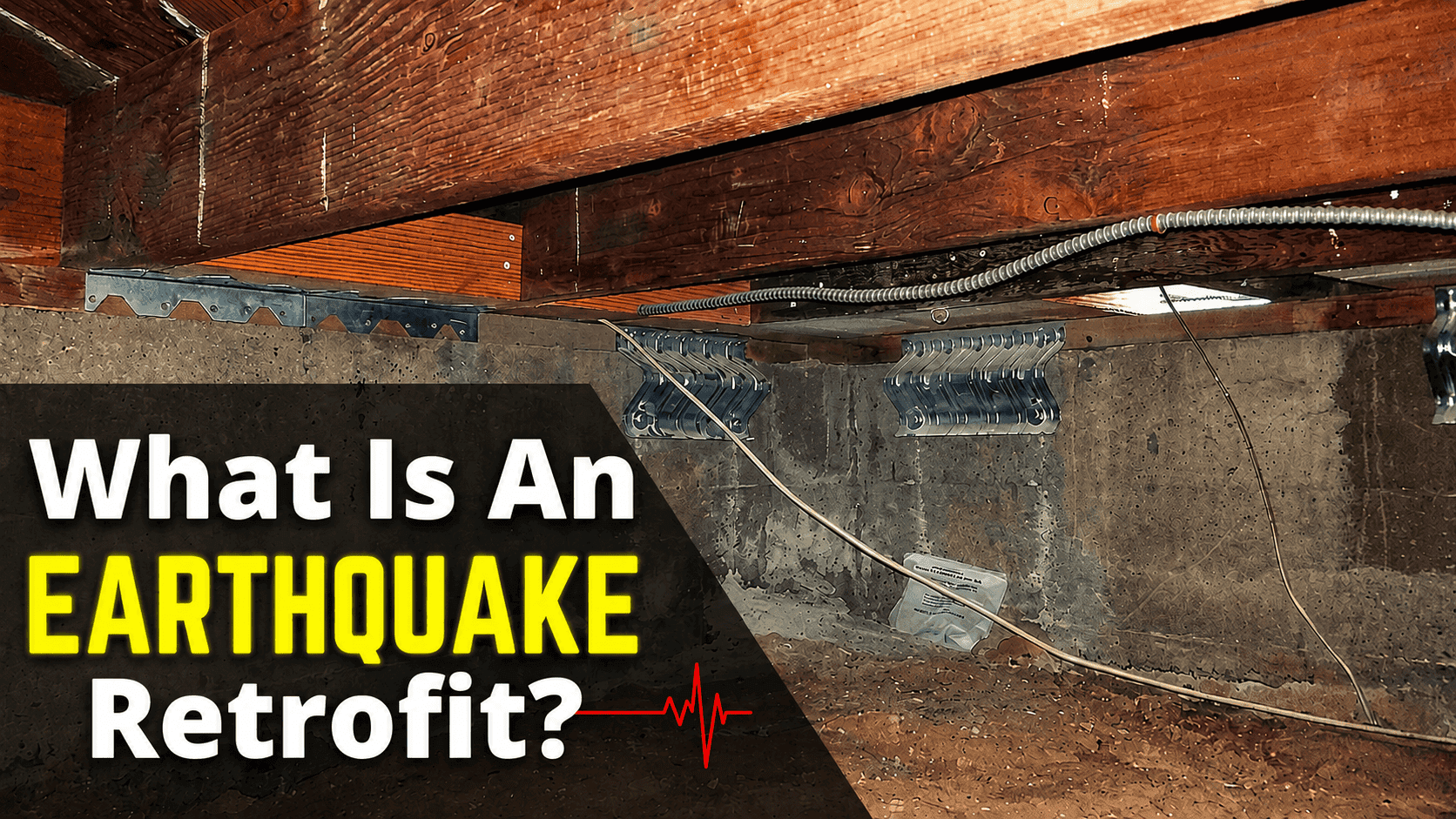
Since 2020, homes must follow the national building code for earthquake safety, NBC 105:2020. This is not optional in the Valley. Ask any contractor how they handle it and listen for a real answer about rebar, column ties, and concrete grade.
If you want the full picture of the build process, our guide on building a house in Nepal covers timelines and stages in detail.
Step 2: Pick your contract type
There are two main ways to structure the deal in Nepal. The choice shapes your budget, your quality control, and how much time you spend on site.
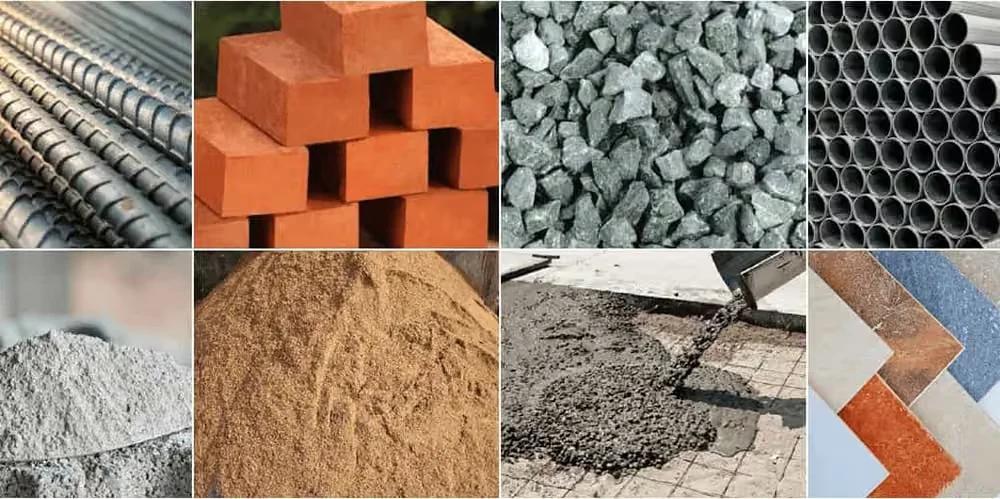
Labor only contract (majdur thekka). The contractor supplies the workers and skill. You buy all the materials: cement, rod, brick, sand, and finishing items. You control quality directly because you choose what goes into the house. The trade off is time. You have to be present, order materials, and track stock so work never stalls.
Full contract, labor plus materials (samagri thekka). The contractor supplies everything at an agreed rate. This is convenient and easier on your schedule. The risk is hidden markups and cheaper materials slipping in where you cannot see them. If you go this route, name the exact brands and grades in the contract.
There is also a per square foot arrangement for the structural frame. As of 2026, a labor rate for the frame commonly runs in the range of NPR 250 to NPR 400 per square foot. This shifts with location and the exact scope. Confirm exactly what “the frame” includes before you sign.
Step 3: Know the real cost so you cannot be fooled
You need a rough number in your head before any contractor quotes you. It stops you from overpaying and it flags a quote that is suspiciously low.
As of 2026, building a house in Nepal costs roughly NPR 3,000 to NPR 6,000 per square foot, depending on location, materials, and finish quality. Kathmandu Valley sits at the higher end because of transport and demand. Several 2026 cost guides put a mid range 1,500 square foot house in the Valley at around NPR 80 lakh to NPR 1.24 crore for the structure alone.
Remember what the per square foot rate does not include. It usually leaves out land, the boundary wall, the Naksa Pass fees, soil testing, interior design, furniture, and utility connections. Budget those separately.
One more thing to plan for. Construction costs in Nepal have been rising around 7 to 10 percent a year, driven by steel and cement prices and a shortage of skilled labor as workers go abroad. A quote that is good today may need a small buffer for a long build.
For the bigger decision of whether to build at all, see our comparison on buying versus building a house in Nepal.
Step 4: Find and shortlist contractors
The best contractors in Nepal rarely advertise. They stay busy on word of mouth. Start there.
Ask neighbors, relatives, and colleagues who recently built. A referral from someone who lived through the whole build is worth more than any brochure. Go and see finished houses. Walk the site. Look at the plaster edges, the corners, the joinery, and the terrace waterproofing. Ask the owner the honest questions: did the contractor finish on time, did the budget hold, and would they hire the same team again.
Aim for three to four names. One quote tells you nothing. Three quotes on the same scope tell you what the market rate really is.
Step 5: Vet each contractor properly
This is where most disputes are prevented, long before any concrete is poured. Run each shortlisted contractor through the same checks.
- License and registration. For a registered firm, ask for the license class, PAN or VAT certificate, and company registration. Confirm the class fits your project size.
- Finished projects, not just current ones. Ask for two or three completed homes you can visit. Anyone can start a job well. Finishing well is the test.
- Reference calls. Speak to at least two past clients. Ask about delays, cost overruns, cleanup, and how the contractor handled problems.
- Their own team versus subcontractors. Find out who actually does the work. A contractor who subcontracts everything has less control over quality.
- Financial stability. A contractor who demands a huge advance may be using your money to finish someone else’s house. That is a warning sign.
- Written, itemized quote. A serious contractor gives you a line by line quote. A single lump sum with no breakdown is hard to check and easy to pad.
Step 6: Put everything in a written contract
Never build on a handshake. A written contract protects both sides and gives you something to point to when memory fails. In Nepal, a clear agreement is your best defense against a dispute.
Your contract should spell out:
- Scope of work. List exactly what is included: excavation, foundation, concrete work, masonry, plastering, tile laying, and basic utilities. Name what is excluded too.
- Contract type and rate. Labor only or full, and the agreed rate per square foot or total price.
- Materials. For a full contract, name the brands and grades. State the cement type, the rod brand, the brick class, and the concrete mix.
- Timeline. Start date, key milestones, and completion date. Add a penalty clause for delays that are the contractor’s fault.
- Payment schedule. Tie every payment to a finished, checked stage. More on this below.
- Retention amount. State how much you hold back and when it is released.
- Defect liability. State the period during which the contractor must fix faults for free.
- Change orders. Any change to scope goes in writing, with a price, before the work happens.
- Dispute resolution. Name how disputes will be settled and keep a paper trail of all approvals.
Step 7: Structure payments in stages
The golden rule is simple. Pay for work that is done, not work that is promised. Staged payments keep the contractor motivated and keep your money safe.
A typical home build releases money against completed stages: an advance to start, then payments at foundation, plinth, each floor slab, brickwork, plastering, and finishing. Each release should follow a check that the stage is actually complete and correct.
Keep the opening advance modest. A large upfront payment removes the contractor’s incentive to move fast and puts your cash at risk. Also note the tax angle. Where formal billing applies, a good share of payment is expected by check rather than cash, which also gives you a clean record.
Hold back a retention amount
Retention is money you keep back from each stage to make sure the job finishes properly. In Nepal construction contracts, retention is commonly around 5 percent, and in some contracts 5 to 10 percent, of the progress payments.
Retention is usually released in two parts. You release half when the work is practically complete. You release the rest after the defect liability period ends and any faults have been fixed. In many Nepali contracts the defect liability period runs for 365 days from acceptance. During that year, the contractor is on the hook to correct defects that show up, such as cracks, leaks, or settling.
That one year window is your safety net. Monsoon will test your roof and your drainage. A house that looks perfect in December may leak in July. Retention gives the contractor a strong reason to come back and fix it.
How to avoid disputes with your contractor
Most contractor disputes in Nepal come from three things: unclear scope, verbal changes, and money paid ahead of work. You can prevent nearly all of them.
Write down every change. If you decide mid build to add a bathroom or switch tiles, get the new price in writing before the work starts. Verbal “we will adjust later” promises are where fights begin.
Inspect at each stage and keep records. Take dated photos of the rebar before the slab is poured. Photograph the plumbing lines before they disappear into the wall. Keep every receipt and every signed approval in one folder. If a disagreement ever reaches mediation or court, your documentation decides who is believed.
Do not let payments run ahead of progress. The moment you have paid for more than what is built, you lose your leverage. Keep the money slightly behind the work, always.
Match the contractor to the job. A Class D firm or a solid mason team is right for a family home. Do not overpay for a big firm you do not need, and do not hand a large complex build to a team that has only done single rooms.
Documents and details to keep on file
- Signed contract with full scope, rate, and schedule
- Contractor license, PAN or VAT, and registration copies
- Approved architectural and structural drawings
- Naksa Pass papers (temporary and permanent permits)
- All material bills and delivery records
- Dated stage photos, especially of steel and concealed work
- Every written change order with its price
- Payment receipts and check records
- Retention record and the defect liability end date
Frequently asked questions
How much does it cost to build a house in Nepal in 2026?
As of 2026, expect roughly NPR 3,000 to NPR 6,000 per square foot for the structure, with Kathmandu Valley at the higher end. A mid range 1,500 square foot home in the Valley often lands around NPR 80 lakh to NPR 1.24 crore for the build, excluding land, permit fees, and interiors. Prices have been rising about 7 to 10 percent a year, so add a buffer for a long project.
Should I choose a labor only or a full contract?
Choose labor only if you have time to buy materials and want tight control over quality. Choose a full contract if you want convenience and can trust the contractor, and if you have named the exact material brands and grades in writing. There is no single right answer. It depends on how much time you can spend on site.
Do I need a licensed contractor for a private home?
Not always. For a small home or renovation, an experienced local mason team is common and legal. For a larger build, or if you want enforceable warranties and clean tax bills, hire a registered firm. Nepal licenses firms in classes A to D, with Class D covering small local projects up to about NPR 6 million as of 2026.
How much should I pay upfront?
Keep the opening advance small, just enough to start. Release the rest in stages tied to completed work. A contractor who insists on a large advance before real work begins is a warning sign.
What is a retention amount and why does it matter?
Retention is money you hold back, commonly around 5 percent of payments. You release half at practical completion and the rest after the defect liability period, often 365 days. It is your safety net so the contractor returns to fix any faults that appear, especially after the first monsoon.
How do I avoid a dispute with my contractor?
Use a written contract, put every change in writing with a price, inspect and photograph each stage, and never let payments run ahead of the work. Keep all receipts, approvals, and photos in one place.
Final word
Hiring a contractor in Nepal is not about finding the cheapest quote. It is about finding a team you can verify, tie to a clear written contract, and pay in step with real progress. Do your homework before the first bag of cement arrives, and the build gets a lot calmer.
Still weighing your options? Browse verified plots and homes on Basobaas to compare buying against building. And if a ready home starts to look like the simpler path, read our step-by-step guide on how to buy a house in Nepal.
Figures and rules in this article reflect 2026 conditions in Nepal and can change. Confirm current rates, fees, and municipal requirements with your local authority and a licensed professional before you sign anything.
Latest Posts
Fresh reads from Basobaas