Complete Vastu Guide for Your Home in Nepal: Room-by-Room Tips
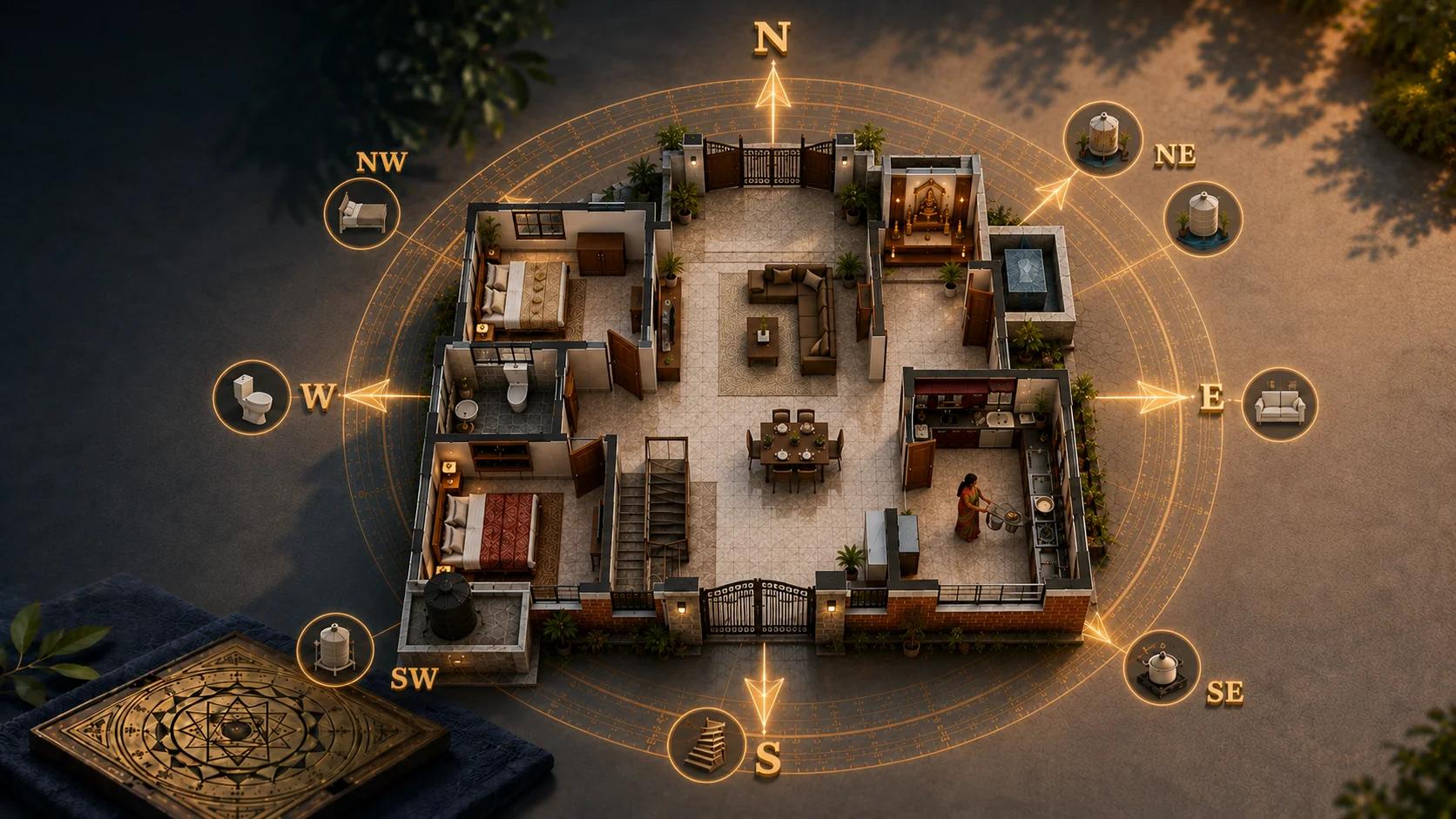
Vastu for a home in Nepal comes down to one simple idea. Place the right activity in the right direction and let sunlight and air move through the house the way they naturally want to. Put the pooja room in the northeast, the kitchen in the southeast, and the master bedroom in the southwest. Keep the northeast light and open. Keep the southwest heavy and grounded. That is the core of it.
Most Nepali families follow at least some vastu when they build or renovate. Some follow it to the letter. Others just want the front door facing a good direction and a clean pooja corner. Either way, it helps to know what the rules actually say before you hand a drawing to your engineer or start moving furniture around.
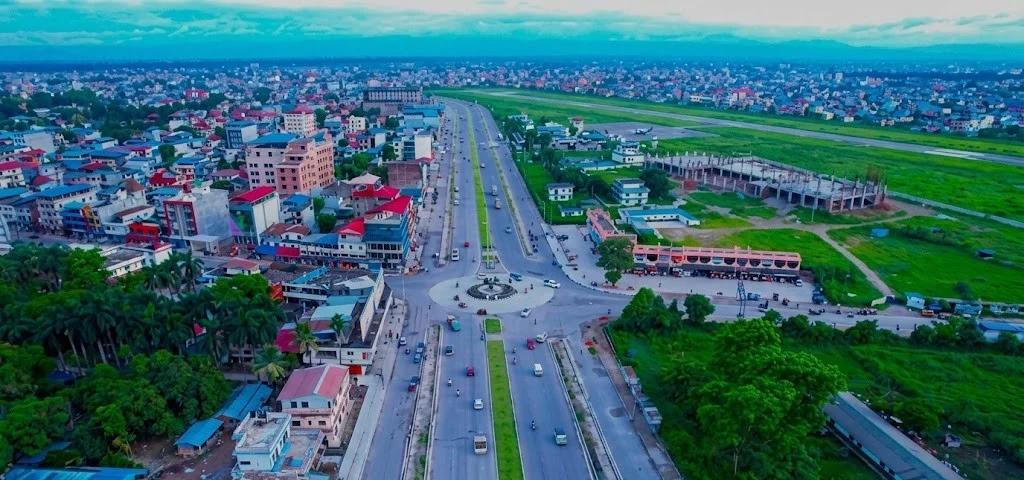
This guide walks through the whole house, room by room. It is written for real plots in Kathmandu, Lalitpur, Bhaktapur, Pokhara, and the Terai, not for a textbook. A quick note before we start. Vastu Shastra is a traditional belief system. It is not proven science. A lot of its advice does line up with good building sense, like facing living spaces toward morning sun and keeping the kitchen well ventilated. Treat it as guidance, weigh it against your budget and plot, and do not lose sleep if you cannot hit every rule.
The Vastu Basics for a Nepali Home

Here is the short version if you only read one section.
- Main entrance: north, east, or northeast is preferred.
- Pooja room: northeast corner, on the ground floor if possible.
- Kitchen: southeast corner, cook facing east.
- Master bedroom: southwest corner.
- Children’s or guest bedroom: northwest or west.
- Living room: north, east, or northeast.
- Toilets and bathrooms: west or northwest, never northeast.
- Water tank (underground): northeast. Overhead tank: southwest or west.
- Staircase: south, west, or southwest.
- Keep the northeast open, light, and clutter free. Keep the southwest solid and a little heavier.
Now the detail.
Why Direction Matters so much in Vastu?

Vastu Shastra is built around the five elements, called pancha bhutas. These are earth, water, fire, air, and space (prithvi, jal, agni, vayu, and akash). Each direction is tied to an element and a presiding deity.
A few directions carry the most weight in a home:
- North (Kubera) is linked to wealth and career.
- East (Indra) is linked to health, learning, and fresh starts.
- Northeast (Ishaan) is the most sacred zone, tied to water and clarity.
- Southeast (Agni) rules fire, which is why the kitchen goes there.
- Southwest (Nairitya) is the earth zone, heavy and stable, which is why the master bedroom sits here.
- West (Varuna) is linked to gains and social life.
You will notice a pattern once you see it. The northeast is meant to stay light and open. The southwest is meant to feel solid and anchored. In practice, that means fewer heavy walls and storage in the northeast, and thicker walls, tall furniture, or the heaviest room in the southwest.
This thinking is not new to Nepal. Traditional Newari homes were already built around sunlight, airflow, and a shared courtyard long before anyone drew a modern vastu chart. East facing doors have been common here for generations, partly because they catch the rising sun.
Vastu for the Main Entrance

The front door sets the tone. In vastu, the entrance is where energy enters the home, so it gets a lot of attention.
North, east, and northeast are the favored directions for the main door. A north facing entrance is often linked to career and money. An east facing entrance is linked to good health and new beginnings. In Nepal, east and northeast facing doors are especially popular, since they line up with the morning sun.
A few practical entrance tips:
- Keep the entrance well lit and clean. A dark, cramped doorway is discouraged.
- The door should open inward and clockwise.
- Avoid a toilet directly facing the main door.
- Try not to have the front and back doors in a straight line, so energy does not rush straight through.
- A small threshold, a nameplate, and a clean approach are all considered good.
Here is the honest part. Most of us do not get to choose which way the road runs. If your plot only allows a south or west facing door, that is fine. Vastu has remedies for every direction, and plenty of happy homes face south. Do not reject a good plot just because the gate faces the wrong way. For more on picking the plot itself, Basobaas has a separate guide on land vastu that is worth a read before you buy.
Vastu for the Pooja Room

For many Nepali families this is the room that matters most. The pooja room, or mandir, is meant to sit in the northeast corner, the Ishaan zone. This is treated as the most sacred part of the house.
Key pooja room rules:
- Place it in the northeast, ideally on the ground floor.
- The person praying should face east or north.
- Do not put the mandir inside a bedroom, under a staircase, or against a bathroom wall.
- It should not share a wall with, or sit directly above or below, a toilet or the kitchen.
- Keep idols slightly away from the wall, and keep the space clean and uncluttered.
If a separate pooja room is not possible in a small flat, a clean northeast shelf or corner works. The point is a dedicated, respected spot, not the square footage.
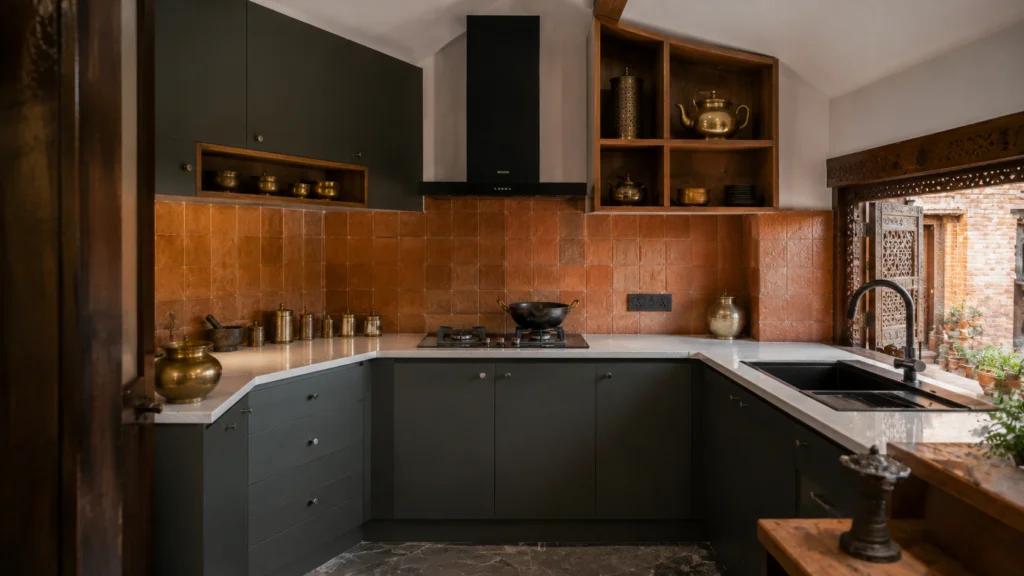
Vastu for the Kitchen

The kitchen is a fire zone, so it belongs in the southeast, the Agni corner.
What the rules say:
- Put the kitchen in the southeast corner of the house.
- Place the cooking stove in the southeast part of the kitchen.
- The cook should face east while cooking.
- Keep the sink and stove apart, since water and fire are opposing elements.
- Store drinking water in the northeast of the kitchen.
- The northwest is an acceptable second choice for the whole kitchen if the southeast is taken.
There is a practical logic buried in this. A southeast kitchen gets morning and midday light, which helps keep it dry. In a country with a long monsoon, a bright, airy kitchen is simply healthier. Avoid a kitchen in the northeast, which is the zone reserved for water and prayer.
Vastu for the Master Bedroom

The master bedroom goes in the southwest, the Nairitya zone. This is the heaviest, most grounding corner, and it is meant for the head of the household.
Bedroom tips:
- Master bedroom in the southwest, on the top floor if the house has more than one.
- Sleep with your head toward the south or east, never the north.
- Place the bed so it does not sit directly under a beam.
- Avoid mirrors that reflect the bed.
- Earthy, calming colors suit this room, like beige, light brown, and soft green.
Children’s bedrooms fit well in the west or northwest. A guest room also works in the northwest, the Vayu zone linked to movement, which suits people who come and go.
Vastu for the Living Room

The living room is where guests gather, so it should feel open and welcoming. North, east, or northeast placement is preferred. Heavy furniture belongs along the south and west walls, with the lighter, open space toward the north and east.
Simple living room tips:
- Seat the head of the family facing east or north.
- Keep the northeast corner of the room light and uncluttered.
- Electronics and heavier units go in the southeast or southwest.
- Let in natural light and keep windows on the north or east side clean.
Vastu for Bathrooms and Toilets
Toilets are the one place where vastu is strict, and for good reason. A toilet in the northeast is strongly discouraged, because that zone is meant for water and prayer.
Bathroom guidance:
- Place toilets in the west or northwest.
- Avoid the northeast and the southeast for toilets.
- The toilet floor should slope toward the north or east so water drains away.
- Keep the bathroom door closed when not in use.
- Do not build a toilet directly above the pooja room or the kitchen.
In small Kathmandu flats you often cannot move the plumbing. If a bathroom sits in a less ideal spot, keeping it clean, dry, and well ventilated is the practical remedy most families rely on.
Vastu for Water Tanks, Staircases, and the Boundary
These get missed, but they matter during construction, so plan them early.
Water. An underground water tank or sump is best in the northeast. An overhead tank is better in the southwest or west, since it adds weight to the grounding zone. Avoid a heavy overhead tank in the northeast.
Staircase. Stairs are considered heavy, so they belong in the south, west, or southwest. Stairs should climb clockwise, and nothing sacred should sit underneath them. A pooja room under the stairs is a clear no.
Boundary and plot. A regular, square or rectangular plot is preferred. If your land is irregular, the northeast corner should not be the cut or missing part. Keep the northeast side of the compound a little lower and lighter, and the southwest side higher and heavier. Basobaas covers plot selection in more depth in its land vastu article, which is the right place to start if you are still shopping for land.
Vastu Colors, Direction, and the Five Elements at a Glance
A quick reference you can keep while planning.
| Room or feature | Best direction | Element or reason |
|---|---|---|
| Main entrance | North, east, northeast | New energy and morning sun |
| Pooja room | Northeast | Most sacred zone |
| Kitchen | Southeast | Fire (Agni) |
| Master bedroom | Southwest | Earth, stability |
| Children’s room | West, northwest | Movement, growth |
| Living room | North, east, northeast | Openness, guests |
| Toilet | West, northwest | Away from sacred zones |
| Underground tank | Northeast | Water zone |
| Overhead tank | Southwest, west | Adds grounding weight |
| Staircase | South, west, southwest | Heavy structure |
How to Apply Vastu without Tearing your House Apart?
You do not need to demolish anything. Vastu offers remedies, and small changes carry most of the benefit.
- Fix the northeast first. Clear clutter, add light, and keep it clean. This is the highest impact, lowest cost change.
- Move furniture before you move walls. Shifting a bed, a desk, or a sofa often satisfies the rule.
- Use color. Earthy tones in the southwest and lighter shades in the northeast are cheap and effective.
- Add light and mirrors thoughtfully. A well lit corner counts for a lot.
- Talk to your engineer early. If you are still at the drawing stage, getting the kitchen, pooja room, and master bedroom in the right corners costs nothing extra.
If you are building from scratch, this is the easy time. If you are buying a finished home or renting, focus on the entrance, the pooja corner, and clean, bright rooms. That is where most Nepali families land, and it is a sensible place to be.
A Word on Vastu and Modern Nepali Homes
Land is expensive and plots are tight, especially inside the Ring Road. You will not always get every room in its perfect corner. That is normal. A skilled architect can blend vastu with a practical layout so the house still works day to day. Traditional Newari builders did exactly this for centuries, balancing sunlight, airflow, and social space on small urban lots.
Use vastu as a guide, not a cage. A home that gets good light, moves air well, and feels calm is already doing most of what vastu is trying to achieve.
Frequently Asked Questions
Which direction should a house face according to vastu in Nepal?
East, north, and northeast facing homes are the most preferred, because they catch the morning sun and are linked to health and prosperity. South and west facing homes are still fine and very common. Every direction has remedies, so do not reject a good plot over the facing alone.
Where should the pooja room be in a Nepali home?
The northeast corner, ideally on the ground floor. The person praying should face east or north. Keep the mandir away from bathrooms, bedrooms, and the underside of any staircase.
Is it bad vastu to have a toilet in the northeast?
A toilet in the northeast is strongly discouraged, since that zone is meant for water and prayer. If you cannot move it, keep it spotless, dry, and well ventilated, and keep the door shut when it is not in use.
Which direction is best for the kitchen?
The southeast corner is ideal, since it is the fire zone. The cook should face east. If the southeast is not available, the northwest is the usual second choice. Avoid placing the kitchen in the northeast.
Do I have to follow every vastu rule?
No. Vastu is a traditional belief system, not a legal requirement or proven science. Most families follow the big items, like entrance, pooja room, kitchen, and master bedroom, and use simple remedies for the rest. Balance it with your budget, your plot, and common sense.
Can I fix vastu in a home I have already built or rented?
Yes. Clear and light up the northeast, rearrange furniture instead of walls, use earthy colors in the southwest, and keep every room clean and bright. These small changes cover most of what vastu asks for without any construction.
Getting your Next Home Right
Vastu is easiest to get right before the walls go up, and cheapest to fix while you are still choosing where to live. If you are house hunting or looking for land in Kathmandu, Lalitpur, Pokhara, and the Terai, start with a plot and a layout that already lean the right way. Browse verified homes and land on Basobaas, or post your own property if you are ready to sell or rent. A little planning now saves a lot of rearranging later.
Latest Posts
Fresh reads from Basobaas