Best Direction for Your House to Face According to Vastu in Nepal
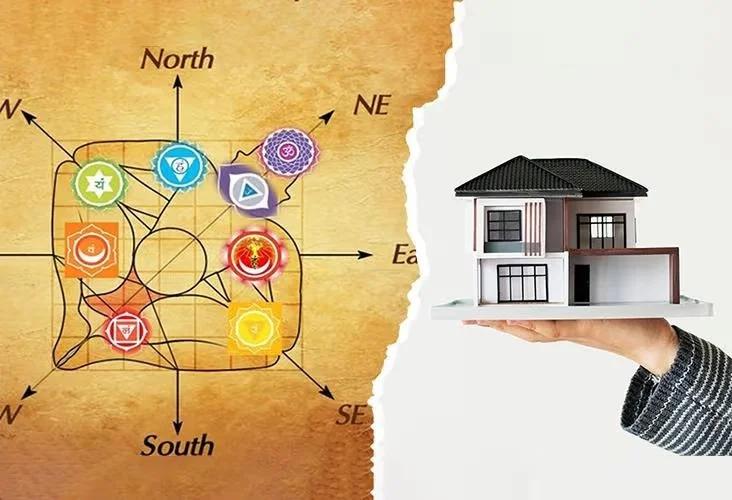
Most Vastu experts point to east and north as the two most favored facing directions for a home in Nepal. East catches the morning sun. North is linked with wealth and steady income. Northeast, which sits between the two, is often called the best of all.
But the honest answer is longer than that. A “bad” facing direction is not a curse. With the right entrance placement and room layout, a south or west facing house can work just as well. This guide walks through what each direction means in Vastu, how to figure out which way your own house faces, and where belief ends and practical building sense begins.
Quick answer
- Most favored facing: East, North, and Northeast.
- Workable with care: West and South (fix the entrance placement).
- Handle with attention: Northwest, Southeast, Southwest.
- What actually matters most: The direction of your main door, not the road your plot sits on.
- Reality check: Vastu is a traditional belief system, not a building code. Sunlight, ventilation, and road access affect daily comfort more than facing alone.
What does “house facing direction” mean in Vastu?

Your house facing direction is the way you look when you step out of your main door. Stand at the threshold. Face outward, as if you are leaving. The direction you are looking toward is your facing direction. If you look toward the rising sun, the house is east facing. If the sun sets in front of you, it is west facing.
This trips up a lot of people. The road in front of your plot does not decide the facing. Your main entrance does. A building can sit along a north side road, but if the entry door opens to the east, Vastu treats it as an east facing home. So before you judge a house, find the actual door you use every day.
How to find your house facing direction
You do not need a Vastu consultant just to check the direction. Three simple methods work.
Use a compass. Stand at the main door, facing out. Hold a magnetic compass or a phone compass app at chest height. Note where the needle points. That is your facing direction. Metal gates and steel doors can pull the needle, so step back a little and take two or three readings, then average them.
Use the sun. Stand at your entrance in the morning, roughly between 6 and 8 a.m. If the sun is on your right, the house faces north. If it is on your left, the house faces south. If it is straight ahead, you face east. Behind you means west.
Use Google Maps. Turn on satellite view and find your house. The map marks north at the top. Look at which way your main door opens compared to that north marker. This is handy for plots you have not visited yet.
A quick tip for the Kathmandu Valley: many older homes, especially traditional Newari houses in Bhaktapur and Patan, were built tight against narrow lanes. The “facing” there is whatever way the main door opens onto the courtyard or gali, not the widest wall.
East facing house: the popular choice

East is tied to the rising sun, health, and new beginnings. This is why so many families in Nepal ask for an east facing plot first.
The real benefit is simple. Morning light floods the front rooms. That early sun is gentle and warms the house before the day gets hot. For a country where winter mornings in the hills get cold, this matters.
What Vastu suggests for an east facing home:
- Keep the main entrance in the east, ideally slightly toward the northeast corner.
- Place the pooja room or a quiet space in the northeast.
- Avoid a heavy staircase or toilet blocking the northeast corner.
The catch: an east facing house can heat up fast in the afternoon on the west side. Plan shade or smaller windows on the western wall.
North facing house: linked with wealth

North is ruled by Kubera, the keeper of wealth in Hindu belief. So a north facing home carries a reputation for money and career growth. Whether or not you take the mythology seriously, north facing homes have a real practical edge in Nepal. North light is soft and steady through the day, without the harsh afternoon glare.
For a north facing house, Vastu advice usually runs like this:
- Put the main door in the north, leaning toward the northeast.
- Keep the northeast portion open, light, and clutter free.
- Avoid tall boundary walls that block the north side completely.
North and east facing homes often command a small price premium in Kathmandu listings for exactly this reason. Buyers ask for them by name.
Northeast facing house: often called the best
The northeast corner, called Ishan in Vastu, is treated as the most sacred zone of any plot. A house that faces northeast is said to bring the benefits of both north and east together. Many practitioners rank it at the top.
If you have a northeast facing home, protect that corner. Keep it clean, avoid storing heavy junk there, and do not place a toilet in it. A small window or a light, open room in the northeast is considered ideal.
West facing house: better than its reputation
West facing homes get an unfair bad name. Vastu does not treat west as unlucky. West is linked with gains, stability, and social connection. Plenty of prosperous homes across Nepal face west.
The practical downside is heat. West walls take the full afternoon sun, which can make front rooms warm in the late day, especially in the Terai cities like Bharatpur, Butwal, and Biratnagar. You can manage this with shading, thicker walls, or planting a tree on the west side.
For a west facing house, Vastu suggests:
- Place the main entrance in the west, and if possible toward the northwest side.
- Keep the southwest corner heavy and solid, with the master bedroom there.
- Balance the west heat with good ventilation.
If someone tries to talk down a west facing home to lower the price, remember that the direction alone is not a flaw.
South facing house: manageable with the right door
South is the direction most Nepali buyers worry about. The fear is overstated. Vastu does not forbid south facing homes. It just asks you to be careful about where the main door sits.
The common guidance is to avoid placing the entrance in the exact south center. Instead, shift the door toward the southeast portion of the south wall. Many Vastu consultants point to specific “padas,” or segments, of the south side that are considered safe for a door. A practitioner can mark these for your exact plot.
South facing homes also get strong sunlight, which is a plus in cold hill areas and a challenge in hot Terai towns. So the same house can feel very different in Dhulikhel versus Nepalgunj.
Northwest, southeast, and southwest facing homes
These in between directions get less attention, but they show up often in real plots.
Northwest (Vayavya): Linked with movement, support, and relationships. Fine for a home, though Vastu suggests keeping the northwest lighter and not placing the master bedroom there.
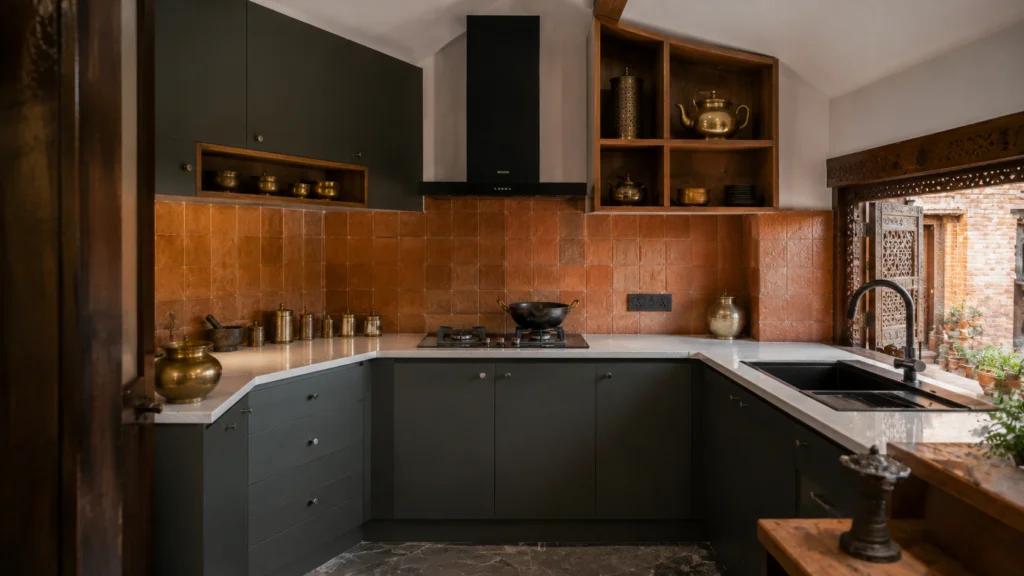
Southeast (Agni): The fire zone. A southeast-facing home is workable, and the southeast is actually the preferred spot for a kitchen and stove. Nepali kitchens traditionally place the chulo in the southeast, which lines up neatly with this.
Southwest (Nairitya): The heaviest, most grounding zone. A southwest-facing entrance needs care, but the southwest corner itself should be the solid, weighty part of the house. This is the recommended place for the master bedroom in almost every layout.
Facing direction versus what actually makes a home comfortable
Here is the part that often gets lost. Facing direction is one factor. It is not the whole story.
Sunlight, cross ventilation, road access, water drainage, and the quality of construction shape your daily life far more than the compass reading at your door. A north-facing house on a damp, sunless lane will feel worse than a south-facing house on a bright, airy plot. In earthquake-prone Nepal, the strength of the structure matters more than any of this. A well-built home on a “less ideal” facing beats a weak home on a “perfect” one every time.
Vastu itself is a traditional belief system rooted in ancient Indian texts. It is not law, and it is not science. Treat it as guidance that many Nepali families value for peace of mind and cultural continuity, not as a rule that decides whether a house is worth buying. If a facing direction gives you and your family comfort, that has real value. Just do not let it override the basics of light, air, safety, and budget.
Common myths worth clearing up
- Myth: A south-facing house brings bad luck. Not true. A south-facing house with a correctly placed door is fine.
- Myth: The road decides the facing. No. The main entrance door decides it.
- Myth: A wrong facing cannot be fixed. Vastu offers remedies for almost every direction, from entrance placement to room layout to simple corrections. Few situations are truly unworkable.
- Myth: Only east and north are acceptable. All four cardinal directions can host a good home. The details matter more than the label.
Practical checklist before you buy
Use this quick list when you visit a property.
- Stand at the main door and check the true facing with a compass or the sun.
- Confirm the door direction, not the road direction.
- Check whether the northeast corner is open and clean.
- See where the kitchen sits. Southeast is the traditional Vastu spot.
- Note the master bedroom location. Southwest is preferred.
- Look at real sunlight and airflow in the rooms at the time of day you will use them.
- Weigh the facing against price, road access, and build quality. Do not overpay for fencing alone.
Frequently asked questions
Which facing direction is best for a house in Nepal?
East, north, and northeast are the most favored in Vastu. They get good natural light and carry positive associations with health and wealth. That said, all directions can work with proper entrance and room placement.
Is a south-facing house really bad in Vastu?
No, south-facing homes are workable. The main advice is to avoid a door in the exact south center and shift it toward the southeast portion instead. Many prosperous homes in Nepal face south.
How do I check my house’s facing direction at home?
Stand at your main door, face outward, and use a compass or a phone compass app. The direction you face is the facing direction. You can also use the morning sun or Google Maps satellite view to confirm.
Does the road in front of my plot decide the facing?
No. Your main entrance door decides the facing, not the road. A plot on a north-side road can still be an east-facing house if the door opens east.
Can I fix a house that faces a less favorable direction?
Yes. Vastu offers remedies, including adjusting the entrance position, changing room functions, keeping the northeast light, and making the southwest solid. Most homes can be brought into reasonable balance.
Should the facing direction decide whether I buy a house?
It should be one factor, not the only one. Sunlight, ventilation, road access, construction quality, and price matter more for your daily comfort and safety. Treat Vastu as helpful guidance, not a hard rule.
Final word
Facing direction is worth thinking about, especially if Vastu carries meaning for your family. East, north, and northeast are the crowd favorites, and for good practical reasons around light. But do not let a “wrong” facing scare you off a solid, well-priced home in a good location. The door can be placed with care, the rooms can be arranged, and the corners can be respected. What you cannot easily fix is a weak structure, a dark lane, or a stretched budget.
If you are ready to compare real options, browse verified listings across Kathmandu, Lalitpur, Pokhara, and beyond on Basobaas, and filter by the areas and directions that suit your family. When you find a home you like, take a compass along and check the facing yourself.
Related reading on Basobaas: our complete room-by-room Vastu guide for Nepali homes, our breakdown of house construction cost per square foot in Nepal, and our guides to the best areas to buy land around the Kathmandu Valley.
Latest Posts
Fresh reads from Basobaas