Most Affordable Neighborhoods for Families in Kathmandu Valley (2026)
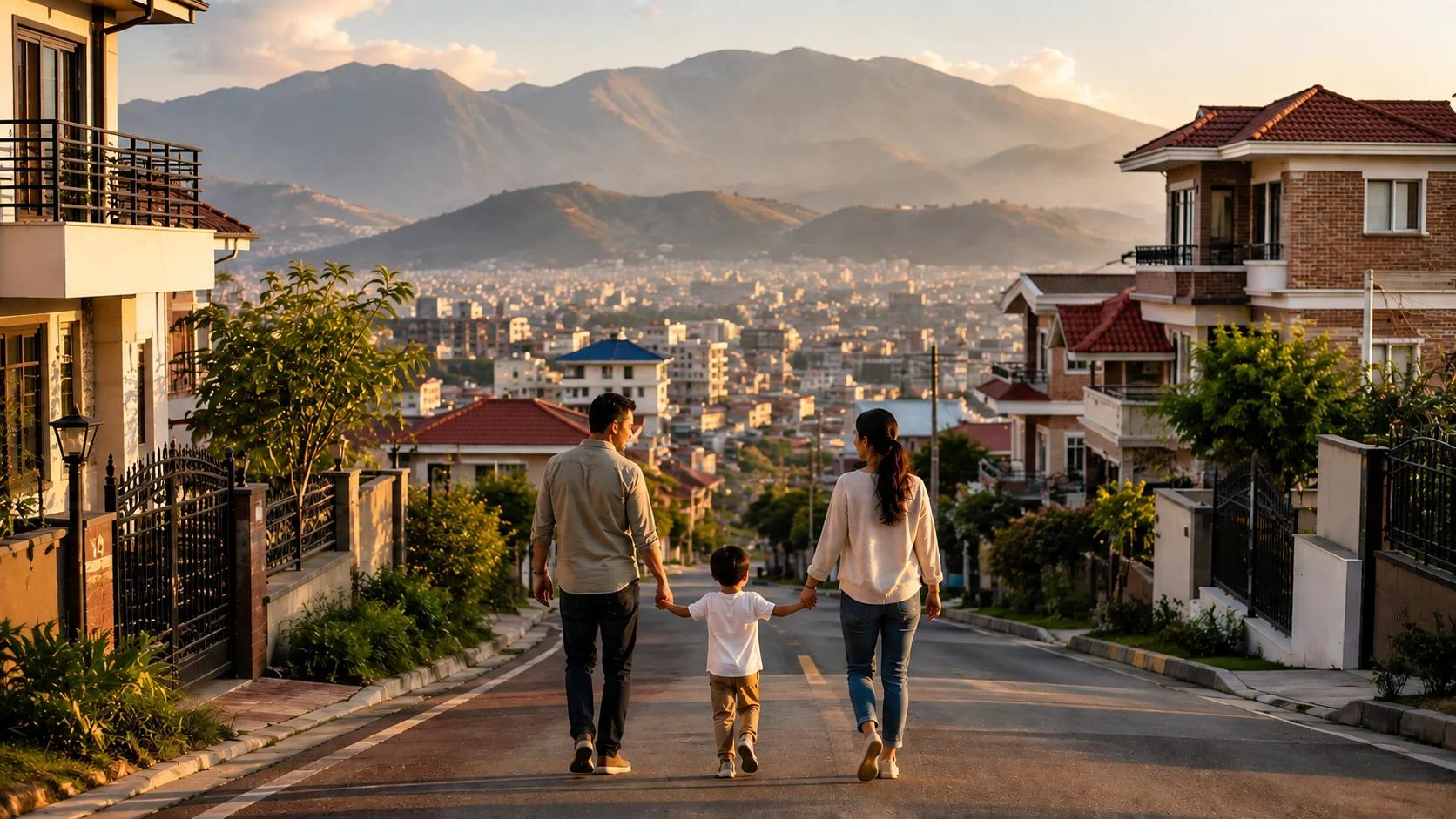
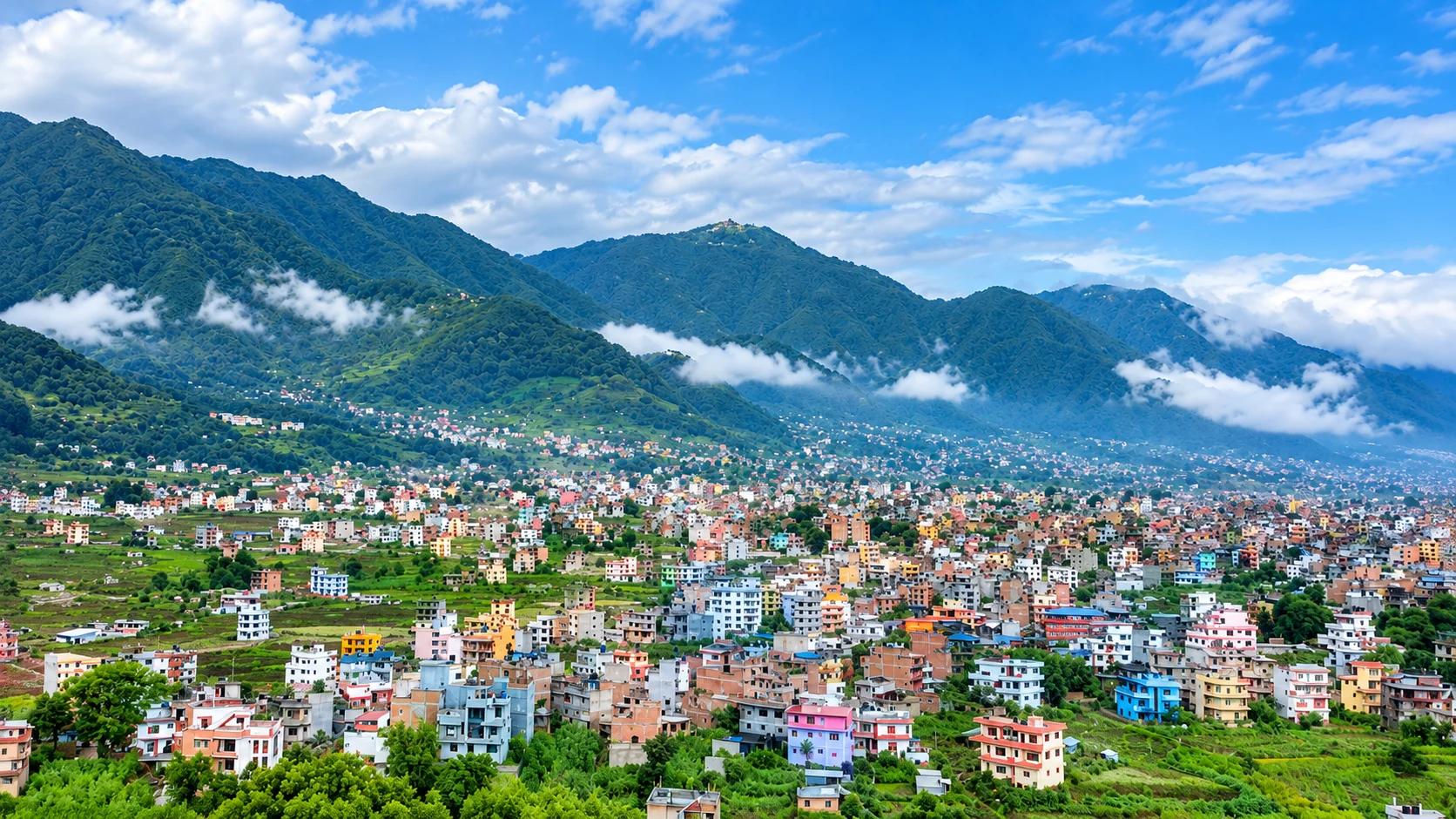
If you want space for a family in Kathmandu Valley without paying central-city prices, the best value in 2026 sits in the outer belts. Think Tokha and Kapan in the north, Kirtipur and Naikap in the west, Imadol and Chapagaun in the south, and much of Bhaktapur to the east. In these areas you can still rent a two-bedroom flat for a reasonable amount or buy land at a fraction of what a plot costs in Baneshwor or Jhamsikhel.
Here is the short version. For renting, budget-friendly family areas start around NPR 15,000 to 20,000 a month for a small flat, and NPR 20,000 to 35,000 for a proper two-bedroom in areas like Kapan, Tokha, and Imadol. For buying land, the affordable tier runs roughly NPR 20 lakh to 45 lakh per aana in emerging pockets, against NPR 80 lakh to 2 crore per aana in the prime core. Bhaktapur remains the quiet winner for families who want a full house on their own land.
This guide walks through the areas worth a look, what a family actually gets in each, and how to weigh price against schools, safety, and the daily commute. Prices move, so treat every number here as a 2026 estimate and confirm current rates before you commit.
What makes a Kathmandu neighborhood good for families?
Affordability is only one piece. A place that looks cheap on paper can cost you in other ways. When families in the Valley shortlist an area, five things usually decide it.
Price comes first, both the rent or land rate and the hidden costs like commute fuel and school transport. Schools matter next, since most parents want a decent school within a short drive. Safety and a settled, residential feel rank high, especially for households with young kids or elderly parents. Commute time to work is the quiet dealbreaker, because a cheap house that adds ninety minutes to your day rarely stays worth it. Water supply and basic services round out the list, since some outer areas still depend on tankers in the dry months.
Keep these five in mind as you read. The cheapest rent is not always the best family value.
Northern corridor: Tokha, Kapan, and Budhanilkantha fringe

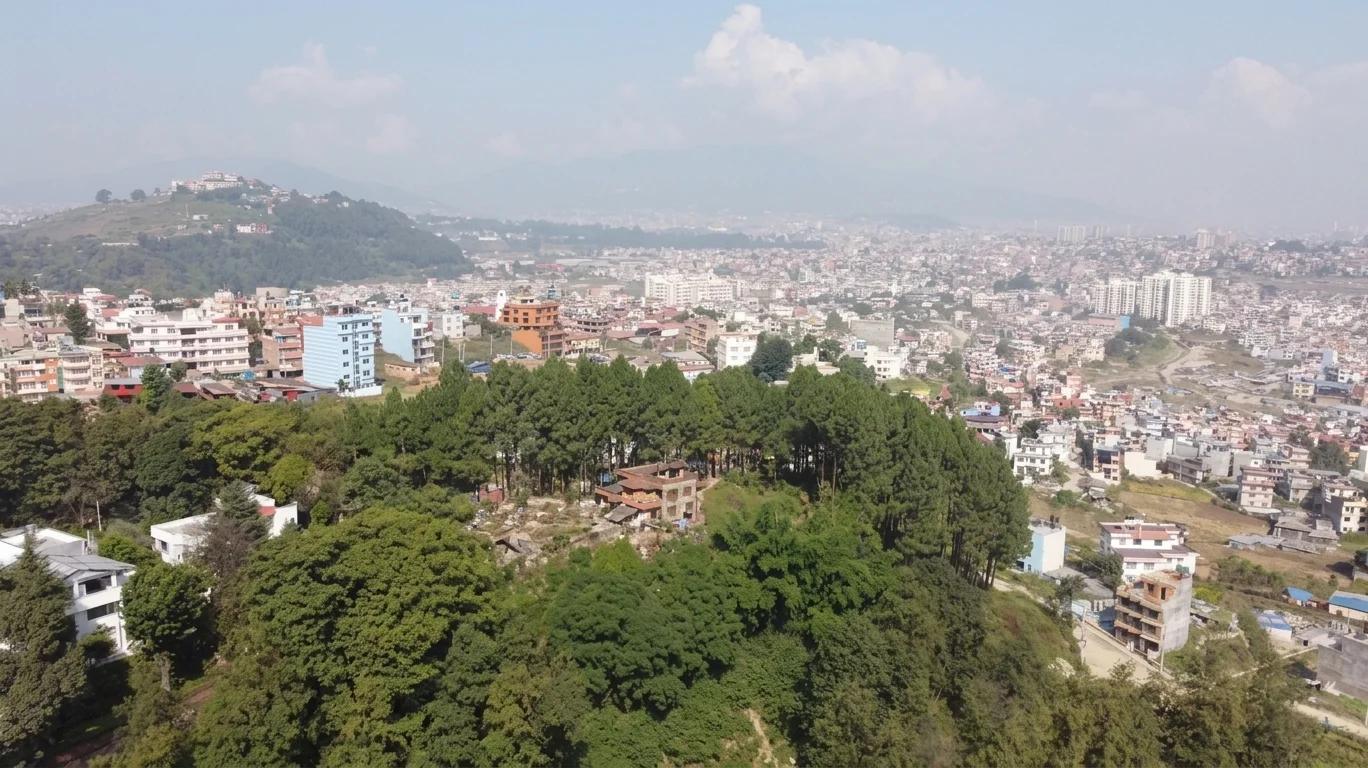
The north of the Valley is where a lot of first-time family buyers are looking right now. Tokha in particular has become one of the most realistic entry points for buyers who want land but cannot stretch to Bhaisepati or Budhanilkantha proper.
Land in Tokha runs roughly NPR 30 lakh to 45 lakh per aana in the developing pockets, and higher near the better roads. That range comes from current Basobaas listings and market data (Land for Sale in Kathmandu: Price Trends by Location (2026)). Kapan and the Budhanilkantha fringe sit a little higher, around NPR 35 lakh to 85 lakh per aana depending on access. For a family, the pull here is simple. The air is cleaner than the core, the streets are calmer, and planned housing layouts are spreading.
For renters, Tokha and Kapan land in the NPR 20,000 to 35,000 band for a semi-furnished two-bedroom flat, with cheaper single rooms available below that. The trade-off is commute. If you work in Baneshwor or Pulchowk, the morning run down through Chabahil can eat time. Families who work in the north of the city, or who do not commute daily, get the most out of these areas.
Schools are reasonable in the Kapan and Budhanilkantha belt, with several established options nearby. Water can be tight in newer Tokha colonies, so ask about the source before you sign or buy.
Western belt: Kirtipur, Naikap, and Satungal


The west offers some of the lowest entry prices in the Valley while staying inside the ring road commute zone. Kirtipur is the standout. It is a university town with a strong local community, heritage character, and rents that stay friendly to a single-income family.
For under NPR 20,000 a month you can find small flats in Kirtipur, Kalanki fringe, outer Koteshwor, and Naikap (Flat for Rent in Kathmandu 2026: Price Guide by Budget). Larger family units cost more, but the west stays cheaper than the north for equivalent space. Satungal and Naikap are practical value zones for households that want a full house rather than a flat, often with a bit of yard.
The commute is the thing to check. Kalanki is a major bottleneck at peak hours, and anything west of it inherits that traffic. If your workplace is on the western or southern side, this belt works well. If you head east daily, budget for the jam.
Kirtipur scores well on the settled, safe, community feel that families want. Tribhuvan University and its schools give the area a steady, education-focused character. The main gap is nightlife and high-end retail, which most families with young kids are happy to skip anyway.
Southern spread: Imadol, Chapagaun, and Lubhu

South of the ring road, Lalitpur district opens into areas that mix affordability with genuine appreciation potential. Imadol and Chapagaun have been among 2026’s stronger growth stories, helped by improving road links and rising commercial activity.
Land in the Imadol and Bhaisepati direction runs a wide range. Established pockets go from around NPR 40 lakh per aana up to a crore. The affordable plays sit on the outer edges near Lubhu and the Lamatar road, closer to NPR 20 lakh to 45 lakh per aana. For families, southern Lalitpur has a strong draw. Good schools cluster in the Gwarko to Imadol corridor, the area feels residential rather than commercial, and the southern hills keep it a touch cooler and greener.
Renters find two-bedroom flats in Imadol in the NPR 20,000 to 35,000 range, similar to Tokha. Chapagaun and Lubhu sit lower for houses on rent, though supply is thinner and you may wait for the right place.
The catch is the same one that follows every outer area. As you move toward Lubhu and Lamatar, the commute to central offices grows, and public transport thins out. A private vehicle becomes close to essential.
Bhaktapur: the family value winner

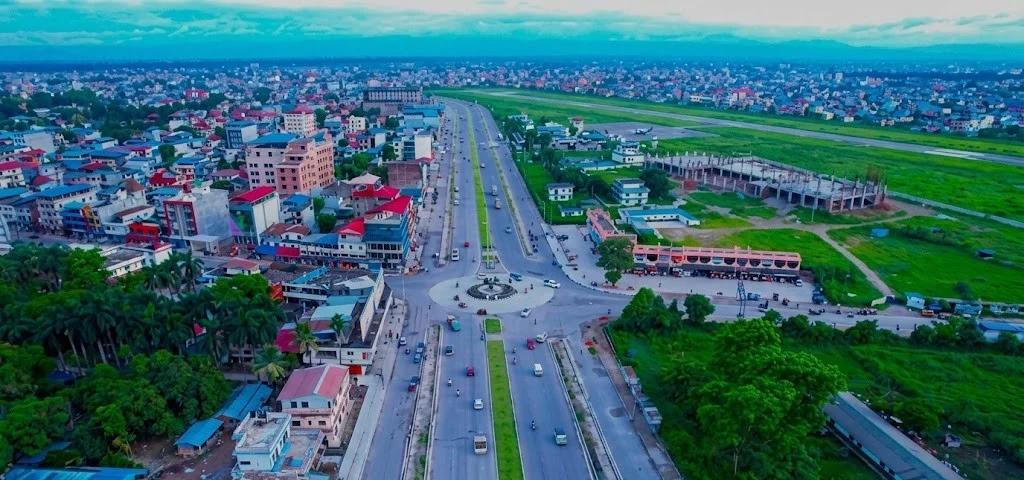
If your goal is a full house on your own land, and you can accept the commute, Bhaktapur is hard to beat on price. It has quietly become the smart alternative for families priced out of Kathmandu and central Lalitpur.
Land across many Bhaktapur areas ranges from roughly NPR 25 lakh to 65 lakh per aana, well below comparable Kathmandu plots. The Suryabinayak side and the Lokanthali to Madhyapur corridor have been among the faster-appreciating pockets in the Valley over the past two years. For a family, Bhaktapur gives more house and land per rupee, a strong sense of community, and a slower pace that many parents want.
Schools in the Bhaktapur and Madhyapur belt have improved, with several established institutions. The historic core is congested and best avoided for a modern family home, but the newer housing spreading toward Suryabinayak and along the Araniko Highway is well suited to families. Water supply is generally more reliable here than in some newer Kathmandu colonies, though it still pays to ask.
The one real cost is distance. If you work in central Kathmandu, the daily drive along the Araniko Highway is long and can be slow. Families who work in Bhaktapur, Thimi, or the eastern fringe get the best of it.
Affordable areas at a glance
Use this as a quick comparison, not a final answer. Every figure is a 2026 estimate and shifts with road access, plot shape, and timing.
| Area | Typical land price per aana | Family two-bed rent (per month) | Best for |
|---|---|---|---|
| Tokha / Kapan (north) | NPR 30 to 85 lakh | NPR 20,000 to 35,000 | Cleaner air, calmer streets, north-side workers |
| Kirtipur / Naikap (west) | NPR 20 to 45 lakh | NPR 15,000 to 30,000 | Lowest entry cost, community feel |
| Imadol / Chapagaun (south) | NPR 20 to 45 lakh (outer) | NPR 20,000 to 35,000 | Schools, greener, growth potential |
| Bhaktapur / Suryabinayak (east) | NPR 25 to 65 lakh | NPR 18,000 to 30,000 | Most house and land per rupee |
Land figures draw on Basobaas listings and market data. Rent bands draw on the Basobaas Kathmandu rent guide. Always verify current rates, since prices in fast-growing pockets can move within a single year.
How to choose the right affordable area for your family
Start with your commute, not the price. Map where the working members of the household need to be most days, then draw a realistic travel-time circle around it. A house that looks cheap but adds three hours of driving to your week is not a bargain. Match the direction of your work to the belt you shortlist, north to Tokha, west to Kirtipur, south to Imadol, east to Bhaktapur.
Next, put schools on the map. If you have school-age kids, list two or three schools you would accept, then check the drive from each shortlisted area during the morning rush, not at noon.
Then check water and services in person. Ask neighbors, not just the landlord or seller, how reliable the supply is in the dry months. In newer colonies this single factor separates a comfortable home from a frustrating one.
Finally, look at the paperwork before you fall in love with a place. For land, confirm the plot is clean at the Malpot office and that road access is documented. For rentals, get a written agreement that spells out the deposit, notice period, and what the rent covers.
If you are renting, our guide on how to rent an apartment in Kathmandu walks through inspection and deposits step by step, and the rental agreement guide covers the clauses that protect you. If you are buying land, the area-by-area price guide and the ring road land guide go deeper on where prices are heading.
Frequently asked questions
Which is the cheapest area to live in Kathmandu Valley for a family?
For renting, the western belt around Kirtipur, Naikap, and the outer Koteshwor and Kalanki fringe tends to have the lowest prices, with small flats available under NPR 20,000 a month. For buying land, outer pockets of Kirtipur, Tokha, and southern Lalitpur near Lubhu offer some of the lowest per-aana rates inside the Valley. Bhaktapur is the best value if you want a full house on your own plot.
Is it cheaper to live in Bhaktapur than Kathmandu?
Generally yes. Land in many Bhaktapur areas runs well below comparable Kathmandu plots, and rents are lower for similar space. The trade-off is a longer commute to central Kathmandu along the Araniko Highway. For families who work in or near Bhaktapur, the savings are real. For those commuting into the core daily, factor in the travel time.
How much rent should a family budget for in an affordable Kathmandu area?
In 2026, a semi-furnished two-bedroom flat in family-friendly outer areas like Kapan, Tokha, or Imadol typically costs NPR 20,000 to 35,000 a month. Smaller units and areas like Kirtipur can fall below NPR 20,000. Confirm whether water and parking are included, since in this range they often are not.
Are the affordable outer areas safe for families?
Most of the established outer neighborhoods, including Kirtipur, Kapan, Imadol, and the newer Bhaktapur belts, are settled residential areas with a strong community feel. As with anywhere, safety varies street by street. Visit at different times of day, talk to neighbors, and check how well-lit and active the immediate lane is before you decide.
Which affordable area has the best long-term appreciation?
Based on transaction activity over the past two years, the Tokha corridor in the north, southern Lalitpur around Imadol and Chapagaun, and the Suryabinayak and Lokanthali to Madhyapur belt in the east have shown some of the stronger growth. These carry more risk than established central areas, since they depend on planned roads and infrastructure arriving as expected.
Finding your family home in the Valley
The affordable belts of Kathmandu Valley have never had more to offer families. Roads keep improving, planned housing keeps spreading, and the price gap with the core stays wide enough to make the outer areas a smart choice. Pick the direction that matches your work, put schools and water on your checklist, and take the time to verify the paperwork.
When you are ready to look at real options, you can browse verified listings on Basobaas to compare homes and land across these areas, or post a property if you are ready to sell or rent one out.
Latest Posts
Fresh reads from Basobaas