Best Areas to Buy Land Near Kathmandu Ring Road (2026 Price Guide)
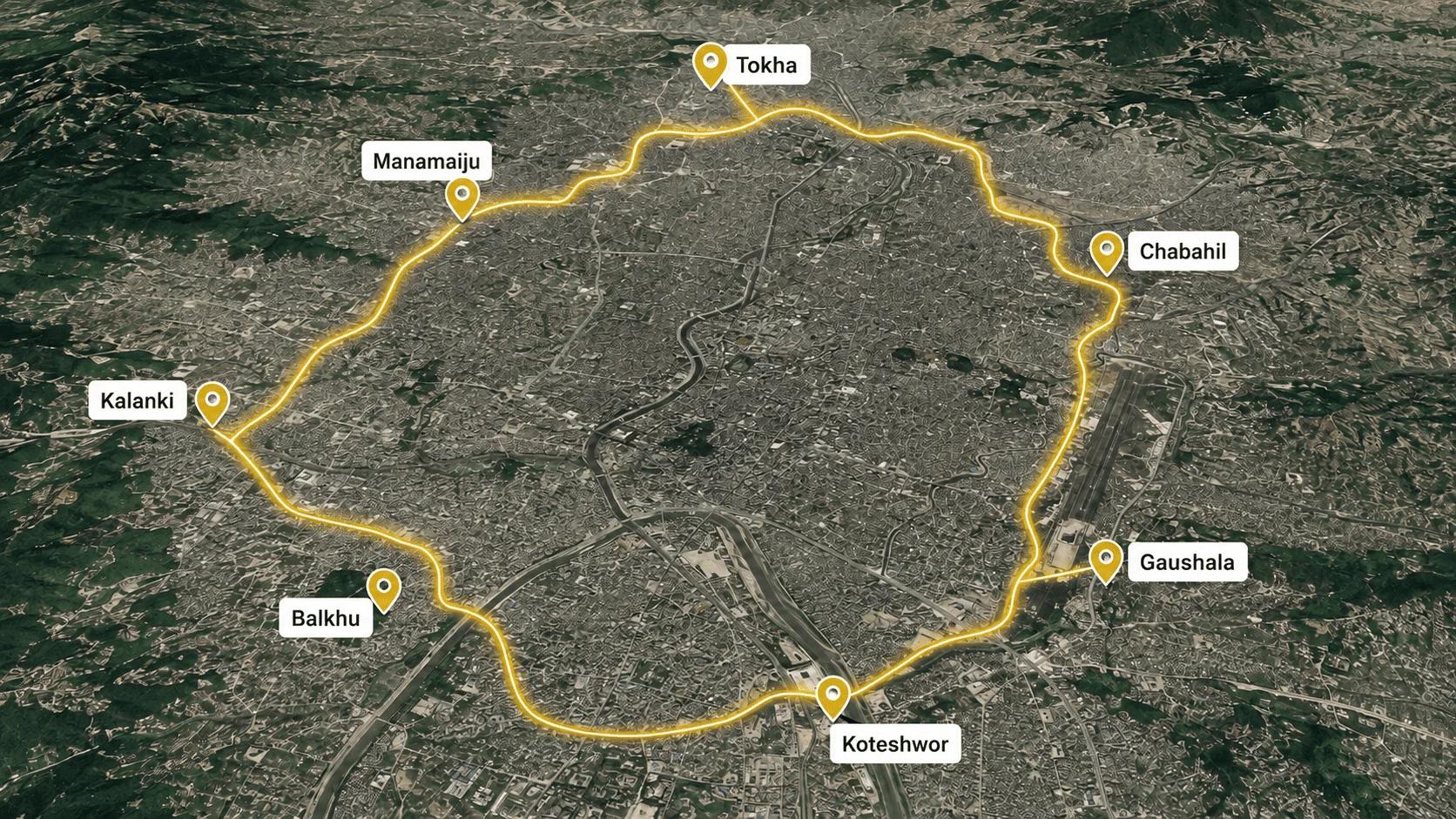
Buying land near the Kathmandu Ring Road puts you close to almost everything. The 27 kilometer loop connects the valley’s main neighborhoods, and a plot within walking distance of it usually holds value better than one tucked far into the lanes. But “near the Ring Road” covers a huge range. A plot at Chabahil costs very differently from one at Manamaiju, even though both sit on the same road.
This guide breaks down the main areas along the Ring Road, what land costs in each as of 2026, and which pockets make sense for different buyers. Prices here reference government valuation rates and market listings. Both change often, so treat the numbers as a starting point, not a final quote.
Quick answer: where to buy near the Ring Road
If you want the short version, here it is.
- For premium location and quick resale: Chabahil, Gaushala, and the eastern belt. Highest prices, strongest demand.
- For business and rental income: Kalanki, Balkhu, Koteshwor. Heavy traffic, commercial pull.
- For value and room to grow: Manamaiju, Tokha, and the northern stretch. Lower entry prices, ongoing road upgrades.
- For families who want calm plus access: Jorpati and the pockets just off the main loop.
The right area depends on your budget, whether you plan to build a home or a shop, and how long you want to hold the land. Read on for the detail.
Why the Ring Road location matters so much

Land in Kathmandu is priced on access first. A plot’s value drops fast the moment you lose easy road connection. The Ring Road is the valley’s main artery, so anything touching it or feeding into it carries a premium.
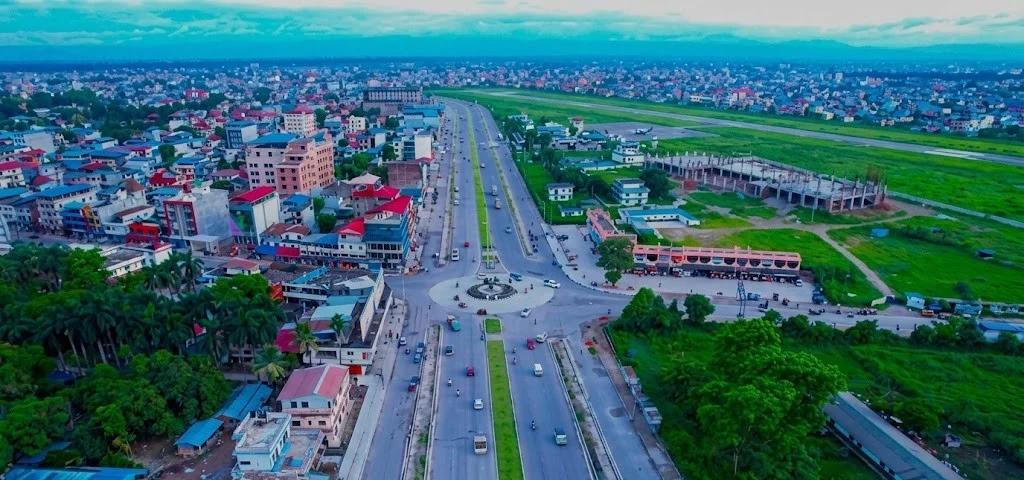
There is a second reason. The road is being widened. The first phase runs 10.39 kilometers from Koteshwor to Kalanki. A Chinese contractor built it and handed it over to Nepal in early 2019 as an eight lane road with service lanes . The second phase, from Kalanki up to Maharajgunj through Basundhara, is planned as another eight lane section. That work has faced years of delay, and the main construction is expected to start only after Dashain 2026, though service lanes are close to done. A short 700 meter section from Narayan Gopal Chowk to Chappal Karkhana has already been finished as an eight lane road using Nepal’s own funds.
What does this mean for a buyer? The already widened eastern and southern arc offers finished infrastructure today. The northern and western arc offers lower prices now, with an upgrade coming. Both can work. You are choosing between paying more for done work or paying less and waiting.
How much does land near the Ring Road cost in 2026?
Government valuation rates give you a floor. Market rates sit above them, sometimes well above. For the fiscal year 2083/84, the Land Revenue Offices in Kathmandu raised the minimum valuation in several areas.
Here are the reported government rates for key Ring Road areas, per aana.
| Area (Ring Road main road) | Govt rate 2083/84 | Previous rate |
|---|---|---|
| Chabahil (Gaushala to Dhobikhola) | Rs 62.7 lakh | Rs 57 lakh |
| Mitrapark, Kalopul, Gaushala, Ratopul, Jorpati | Rs 55.66 lakh | Rs 50.6 lakh |
| Near Boudha Stupa | Rs 48.95 lakh | not stated |
| Kalanki (Balkhu to Banasthali) | Rs 49.35 lakh | Rs 47 lakh |
| Kalimati, Balkhu, Soaltimode, Kalanki Chowk | Rs 43 lakh | not stated |
| Koteshwor, Tinkune, Min Bhawan, New Baneshwor | Rs 32 lakh | not stated |
| Manamaiju | Rs 22 lakh | Rs 20 lakh |
| Tokha (toward Narayansthan) | Rs 22.25 lakh | Rs 21.17 lakh |
The Koteshwor to New Baneshwor rate of about Rs 32 lakh per aana comes from government valuation reporting.
Market prices are a different story. The median asking rate across the valley in 2026 sits around Rs 38.5 lakh per aana. Yet two plots in the same ward can differ by close to 40 percent. Road width, slope, shape, drainage, distance from the main road, and whether the Lalpurja is clean all move the number. So the government rate tells you the tax base. The seller’s asking price tells you the ceiling. Your real cost lands somewhere in between after you negotiate.
One more note on the current market. Some mid tier corridors, including the Koteshwor and Balkumari belt, have softened. Reports suggest closed deals there ran roughly 10 to 12 percent below the last advertised rate through 2026. For a buyer, a soft market is not bad news. It gives you room to push on price.
The eastern arc: Chabahil, Gaushala, Jorpati, Boudha
This is the priciest stretch, and for good reason. Chabahil connects the core city to Boudha, Jorpati, and the road out to Sankhu. Land on the main Ring Road here now carries the highest government valuation in the loop, up to Rs 62.7 lakh per aana near Gaushala.
Who should look here? Buyers who want a plot that sells fast and rents well. The area has schools, hospitals, temples, and steady foot traffic. If you plan to build a shop house, the ground floor commercial value is strong.
The trade off is price and density. You pay top rupee, and the plots are often narrow. Do not expect a quiet garden setting on the main road. If you want calm, step one or two lanes back. Prices drop meaningfully once you leave the Ring Road frontage, and you still keep the access.
Jorpati sits a little further out toward the northeast. Listings there have shown plots around Rs 45 lakh per aana in the Narayantar pocket, though individual asking prices vary. It suits families who want space and a shorter commute to Boudha and the eastern job centers.
The southern arc: Koteshwor, Tinkune, Balkumari
Koteshwor is the valley’s busiest junction. The Ring Road meets the Araniko Highway here, and traffic is heavy from morning to night. That is exactly why it works for commercial land. A plot here is not for a peaceful home. It is for a business, a rental block, or a mixed use building.
Government valuation for the Koteshwor to New Baneshwor belt sits around Rs 32 lakh per aana. Market prices in this corridor have cooled recently, which can favor a patient buyer. If you have wanted a foothold in this area, a slow market is your window to negotiate.
Balkumari, just south, has grown fast on the back of the completed eight lane section. It has become a hub for offices and apartments. Land closer to the bridge and main road commands more. Step into the inner lanes and you find room for family homes at friendlier rates.
The western arc: Kalanki, Balkhu, Kalimati
Kalanki is the western gateway. The highway to Pokhara and the rest of the country starts here, so the area is thick with transport, warehouses, and trade. Government valuation for Ring Road land between Balkhu and Banasthali is about Rs 49.35 lakh per aana. The Kalimati, Balkhu, Soaltimode, and Kalanki Chowk main road areas sit near Rs 43 lakh.
This arc suits investors and business buyers more than home builders. The traffic and commercial character that make it valuable also make it noisy and crowded. If your goal is rental yield from shops or godowns, or long term appreciation on a busy corridor, Kalanki earns a look. If you want a family home, look at the quieter residential pockets set back from the junction, such as the lanes toward Kuleshwor.
The northern arc: Manamaiju, Tokha, Basundhara
Here is where value buyers should focus. The northern stretch carries lower government valuations, roughly Rs 22 lakh per aana around Manamaiju and Tokha. That is about a third of the Chabahil main road rate.
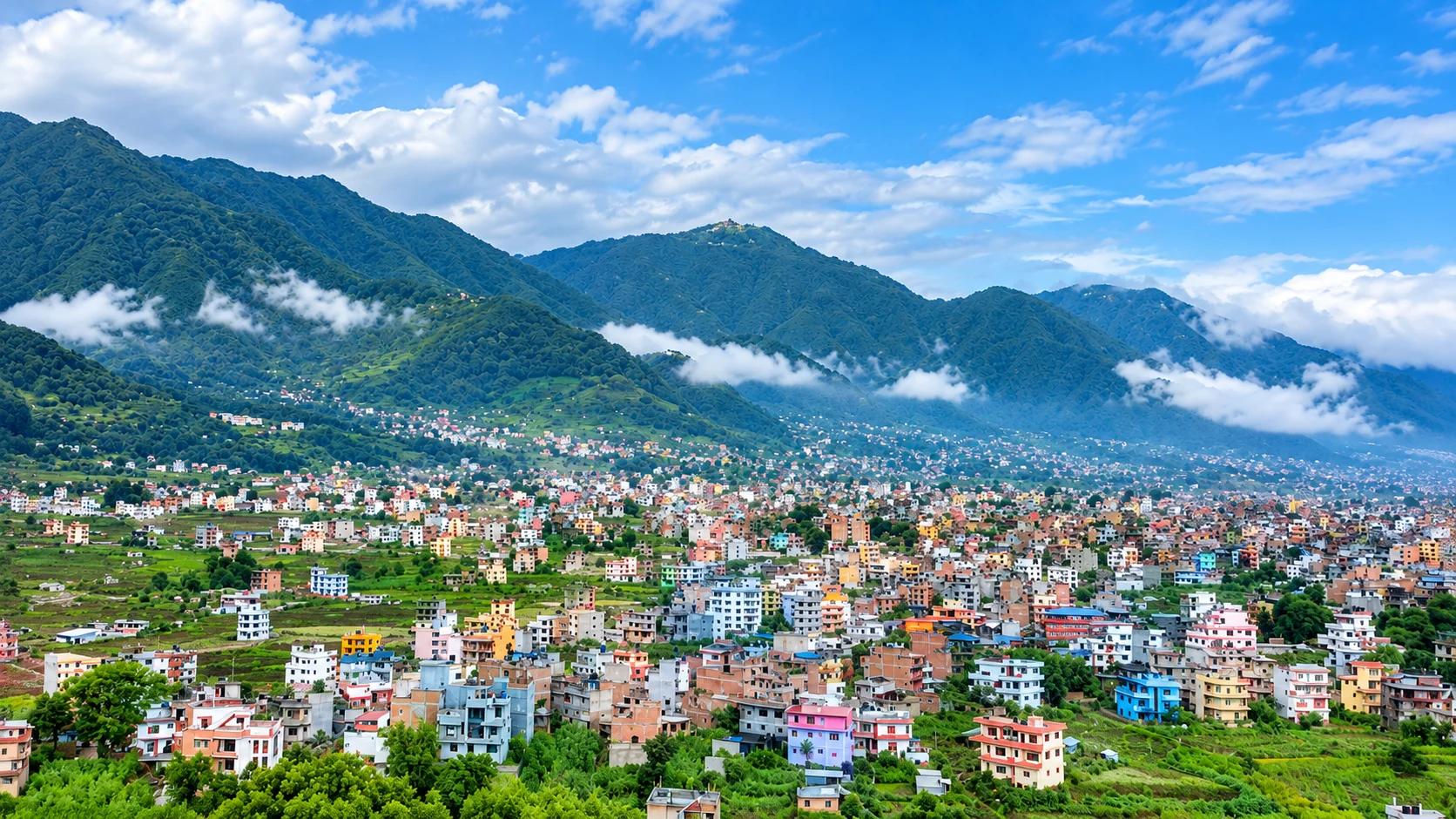
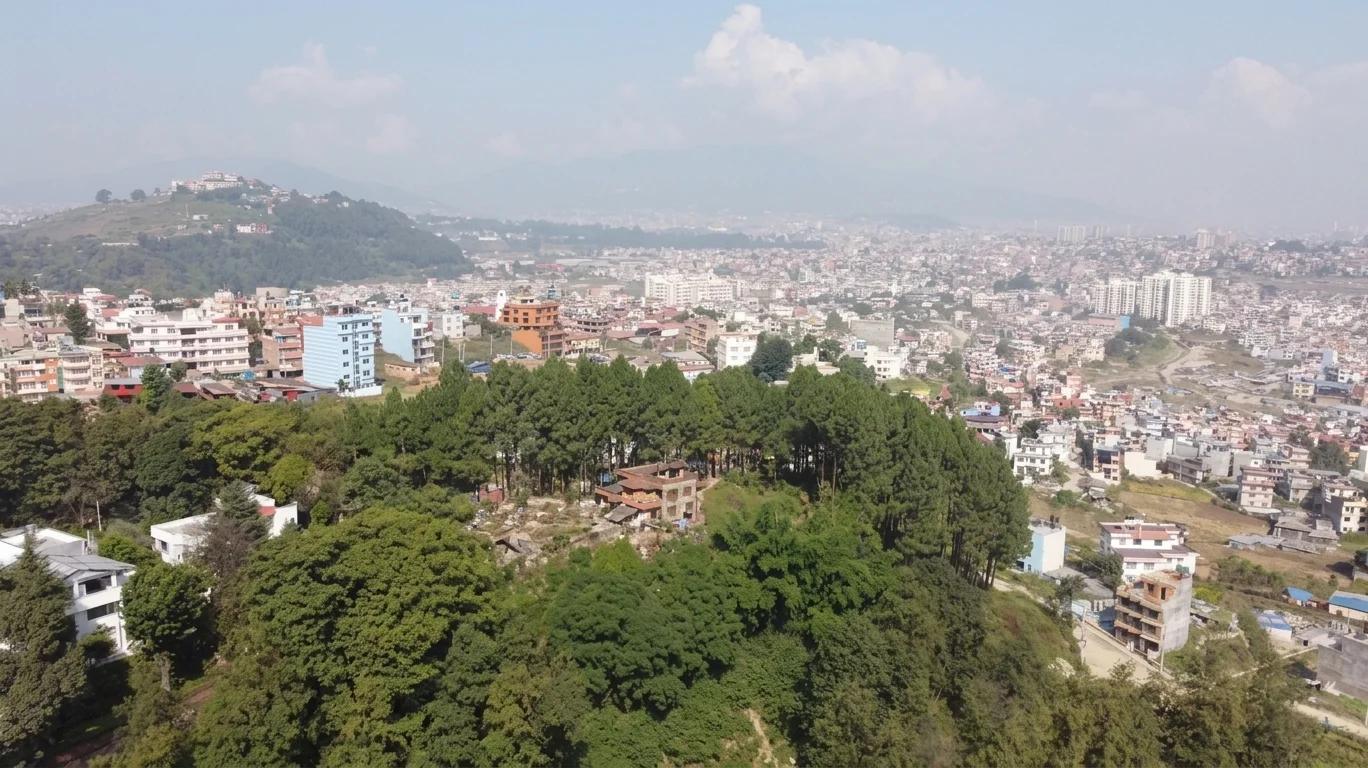
Two things make this arc interesting. First, the ongoing Ring Road widening from Kalanki up to Maharajgunj will improve access once it finishes. Second, Tokha and the northern belt still have plots with more space and cleaner air than the crowded core. Families priced out of the east and south can find larger plots here.
The catch is the timeline. The second phase widening has been delayed for years, with main work expected only after Dashain 2026. If you buy here expecting a quick infrastructure boost, you may wait. Buy because you like the plot and the price, and treat the road upgrade as a bonus, not a promise.
What to check before you buy any plot near the Ring Road

Location is only half the decision. The plot itself has to be clean and buildable. Before you pay anything, work through this list.
- Verify the Lalpurja and Malpot records. Confirm the seller’s name matches the ownership certificate, and check for any roka (freeze), court case, or bank claim at the Land Revenue Office.
- Check road access legally, not just visually. A plot may touch a lane that is not recorded as a public road. You need a proper road right of way for building permits. Ask for the Ghar Bato Sifaris route.
- Match the Naksa to the ground. Compare the kitta naksa (plot map) against the actual boundaries. Measure it. Plots often differ from what the map claims.
- Confirm the land type. Make sure it is Raikar (private freehold) and not Guthi or otherwise restricted, which limits building and resale.
- Study the road widening line. If the Ring Road expansion or a future road plan cuts through the plot, part of your land could be taken. Check the planned alignment with the concerned office.
- Look at drainage and slope. Monsoon flooding is real in parts of the valley. A low plot near a drain can flood every year.
If you want the full end to end process, our guide on how to buy land in Nepal walks through search, verification, negotiation, and registration step by step.
What buying land actually costs beyond the plot price
The sticker price is not your total cost. When you register the transfer, you pay a registration fee (malpot dastur) on the declared value. Inside Kathmandu Metropolitan City this is 5 percent, paid by the buyer. Sub metropolitan cities charge 4.5 percent, municipalities 4 percent, and rural municipalities 2 percent.
There is a real discount worth knowing. Women buyers get a 25 percent concession on the registration fee in urban areas and 30 percent in rural municipalities. Many families register land in a woman’s name partly for this reason. Inside the valley, expect an added Bagmati Savyata Kosh surcharge of 5 percent calculated on the registration fee itself.
Local governments set their own rates under the Local Government Operation Act, so the exact figure can shift by municipality. Always confirm the current rate at your local Malpot office before you budget. For a fuller picture of registration charges and taxes, see our related guide on land measurement units and value in Nepal.
Frequently asked questions
Which area near the Ring Road is cheapest to buy land?
The northern arc around Manamaiju and Tokha carries the lowest government valuations, roughly Rs 22 lakh per aana as of 2026. Market rates run higher, but this stretch is still far cheaper than the eastern Chabahil belt.
Is land near the Ring Road a good investment in 2026?
Land with genuine Ring Road access tends to hold value because access drives price in Kathmandu. That said, some mid tier corridors softened through 2026, with deals closing below advertised rates. A calm market can be a good time to buy if the plot and paperwork are sound.
How much is land per aana at Chabahil?
Government valuation for the Ring Road main road from Gaushala to Dhobikhola reached Rs 62.7 lakh per aana for 2083/84, up from Rs 57 lakh. Market prices sit above this, and step back from the main road and rates fall.
Will the Ring Road expansion take part of my land?
It can, if your plot falls within the planned widening line. The second phase from Kalanki to Maharajgunj is set to proceed after Dashain 2026. Always check the road alignment with the concerned office before buying a frontage plot.
How much are the registration fees when I buy land in Kathmandu?
Inside Kathmandu Metropolitan City, the buyer pays 5 percent of the declared value. Women buyers get a 25 percent concession. A 5 percent Bagmati Savyata Kosh surcharge also applies on the fee. Rates differ outside the metro, so confirm locally.
Should I buy on the main Ring Road or in the inner lanes?
Main road plots cost more and suit shops, rentals, and businesses. Inner lane plots cost less, stay quieter, and suit family homes while keeping the access. Decide by what you plan to build.
The bottom line
There is no single best area near the Ring Road. There is a best area for your budget and your plan. Pay top rates on the eastern arc if you want prestige and fast resale. Go west to Kalanki for commercial pull. Head north to Manamaiju and Tokha if you want value and can wait on the road upgrade. Choose the southern junctions for business traffic.
Whatever you choose, the plot’s paperwork matters more than its postcode. A clean Lalpurja, legal road access, and a boundary that matches the map will protect your money better than any location can.
Ready to compare real plots? Browse verified land listings near the Kathmandu Ring Road on Basobaas, or post your own property if you are selling. Start with the numbers in this guide, then verify everything on the ground before you sign.
Latest Posts
Fresh reads from Basobaas