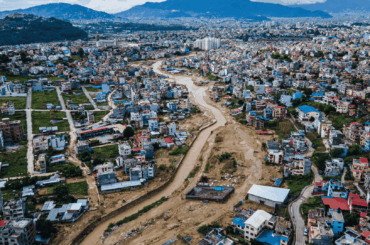

Land in Kathmandu Valley remains one of Nepal’s most coveted assets. Despite economic cycles and policy shifts, per-ropani land prices in prime Kathmandu locations have maintained a long-term upward trajectory—fuelled by urbanisation, limited supply within the ring road, and growing demand from both local buyers and returning NRNs. If you are considering buying land in Kathmandu—whether to build a home, as an investment, or for development—this 2026 price guide gives you a clear, area-by-area picture of the market.
Why Buy Land in Kathmandu?
Land ownership in Nepal offers several advantages over buying a built property: no depreciation of the structure, full control over future development, stronger long-term capital appreciation in prime locations, and the flexibility to build according to your own requirements. Land is also simpler to transact—fewer documentation issues than buildings with occupancy certificate complexities. The primary challenge is the high upfront cost per ropani in established areas and the need to manage the plot during the holding period.
Price Per Aana by Area — 2026 Estimates
Note: 1 aana = 31.8 sq metres. Prices below are estimates based on current Basobaas listings and market data. Actual prices vary based on road access, shape, and specific location within each area.
- Baluwatar, Naxal, Lazimpat: NPR 65 lakhs –2 crore per aana depending upon road size (ultra-premium; diplomatic enclave area)
- Baneshwor, Maitighar: NPR 70 lakhs–2 crore per aana (commercial/residential premium zone)
- Sanepa, Jhamsikhel, Lalitpur: NPR 80 lakhs – 2 crore per aana (expat and professional demand zone)
- Bhaisepati, Imadol: NPR 40 lakhs – 1 crore per aana (strong family residential demand; good appreciation)
- Kapan, Budhanilkantha: NPR 35 lakhs –85 lakhs per aana (developing northern corridor; good value)
- Tokha: NPR 30 lakhs – 80 lakhs per aana (emerging; road access improving; best long-term play)
- Godawari, Bungamati: NPR 20 lakhs –50 lakhs per aana (green belt; serene; suited to patient investors)
- Peri-urban areas (Lubhu, Lamatar road): NPR 20 lakhs aana–45 lakhs per aana
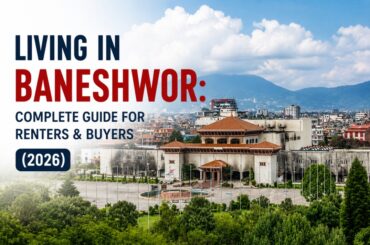
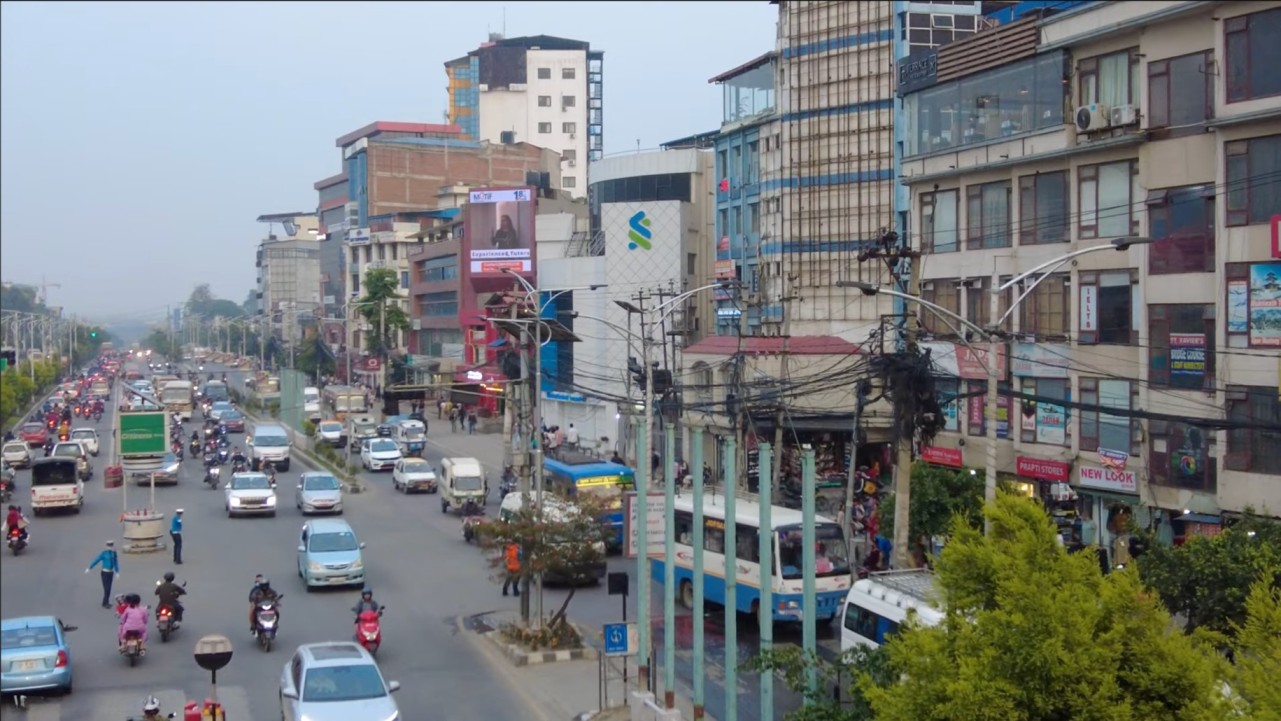
Baneshwor: Kathmandu’s Commercial Core
Land in and around Baneshwor commands top-tier prices due to its unmatched connectivity—it sits at the intersection of the ring road and multiple arterial routes. Commercial use land here can generate strong rental income from shops, offices, and restaurants. Residential land in the quieter lanes behind New Baneshwor is tightly held—when it appears on the market, it moves fast.
Bhaisepati: The Family Investment Sweet Spot
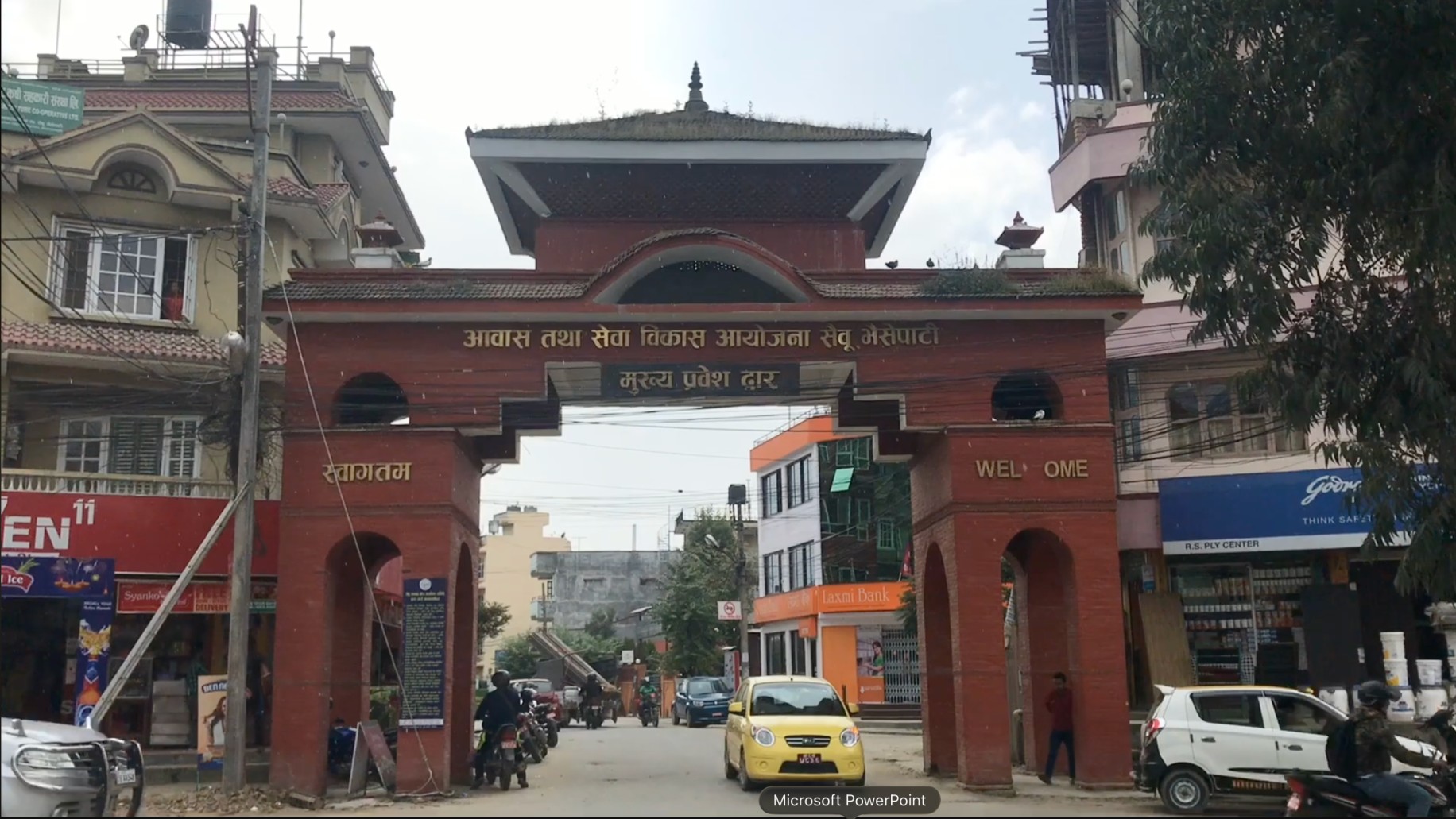
Bhaisepati has delivered among the strongest land appreciation in the Valley over the past decade. Planned residential layouts, good schools nearby, and a cooler micro climate have driven demand from families. Land plots here (typically 3–8 aana) have seen 12–15% annual appreciation in some pockets. This is no longer cheap—but it remains excellent value relative to central areas with comparable quality of life.
Tokha & Kapan: The Emerging North
The northern corridor from Kapan to Tokha to Budhanilkantha represents the best opportunity in the Valley for buyers seeking affordable entry points with strong capital appreciation potential. The proposed northern ring road extension and ongoing infrastructure improvements are the key catalysts. Land in Tokha bought today at NPR 35 lakhs per aana – 45 lakhs per aana could realistically be worth NPR 45 lakhs per aana – 60 lakhs per aana in 7–10 years if infrastructure materialises as planned. This is a medium-high risk, high-reward play.
Fastest-Appreciating Areas Right Now
Based on transaction data from the past 24 months, the fastest-appreciating land markets in Kathmandu Valley are: Bhaisepati (southern Lalitpur), the Tokha–Jhor corridor, Lokanthali–Madhyapur (east Valley), and the Suryabinayak area in Bhaktapur district. All offer better value per ropani than central Kathmandu with strong growth fundamentals.
Ready to find your land? Browse verified land listings on Basobaas.