Home Inspection Checklist: What to Check Before Buying a House in Nepal
Buying a house in Nepal is often the biggest purchase a family ever makes. A good home inspection checklist protects that money. Before you sign anything or pay a token advance, you want to know two things. Is the house structurally sound, and are the papers clean.
Here is the short version. Walk the house slowly and look for cracks, damp patches, water problems, and weak wiring. Then match the building to its approved drawing and its ownership papers. If anything looks off, bring a civil or structural engineer before you commit. In Nepal, an unregistered extra floor or a house that does not match its naksa can cost you far more than the inspection fee.
This guide gives you a room-by-room home inspection checklist for Nepal, plus the document checks that matter here. Take it with you when you visit.
Quick answer: what to check before buying a house in Nepal
- Structure: foundation, columns, beams, visible cracks, and any tilt or sag.
- Water: leaks, damp walls, roof and terrace seepage, drainage around the plot.
- Systems: electrical wiring, water supply, tank and pump, sewage, and plumbing.
- Fittings: doors, windows, floors, paint, and the kitchen and bathrooms.
- Papers: lalpurja, kitta naksa, municipal building permit, and tax receipts.
- Compliance: does the built house match the approved drawing and building code.
Do these six and you have covered most of the risk. The sections below explain how.
Why home inspection matters more in Nepal
Nepal sits in a high earthquake zone. The 2015 Gorkha earthquake exposed how many buildings were built without proper engineering. After that, the government pushed the updated seismic code, NBC 105:2020. It uses a 475 year reference return period for earthquake loading. It applies to concrete, steel, masonry, and timber buildings. A house built before this code, or built without an engineer, is not automatically unsafe. It just means you need to look harder.
There is a second reason. Many homes in the Kathmandu Valley develop cracks and damp within a few years because of poor drainage and rushed monsoon construction. Field studies have documented issues like corroded rebar and weak concrete in Nepali buildings. You cannot fix what you do not spot. So inspect before you pay, not after.
Structural inspection: the parts that keep the house standing

Start with the bones of the building. This is the most important part of any home inspection in Nepal, because structural repairs are expensive and sometimes impossible.
Foundation and ground floor
Look at the base of the walls and columns. Small hairline cracks in plaster are common and usually cosmetic. Wide cracks, cracks that run diagonally across a column, or cracks that have been freshly filled and painted over deserve a closer look. Ask when the house was built and whether an engineer supervised it.
Check if the floor feels level. Drop a marble or a small ball on the floor of each room. If it rolls strongly to one side, the slab may have settled. Some settlement is normal in older homes. A strong, consistent slope is a warning.
Columns, beams, and walls
Walk each floor and look at the corners where columns meet beams. These joints carry the load during an earthquake. You want to see clean concrete, not exposed steel or rust stains. Brown streaks on a column often mean the rebar inside is rusting, which weakens it over time.
Tap on the walls. A hollow sound in a wall you expected to be solid can mean poor filling or a hidden cavity. Note which walls are load bearing and which are just partition walls, because that affects any future renovation.
Roof and terrace
Go up to the roof. Check the parapet wall for cracks and looseness. On a flat terrace, look for standing water marks and poor slope. Water that does not drain will find a way into the slab and cause damp on the top floor ceiling.
Signs you need an engineer
Bring a civil or structural engineer if you see any of these. Wide or diagonal cracks in columns or beams. A building that leans. Sagging floors or ceilings. Exposed or rusting rebar. Additions or extra floors that look newer than the rest. The engineer’s fee is small compared to the price of the house, and their report gives you a real basis to negotiate or walk away.
Water and dampness checks

Water is the quiet destroyer of Nepali homes. Monsoon rain is heavy, and waterproofing is often the first thing a builder cuts to save money. Inspect for water problems even in the dry season, because old damage leaves marks.
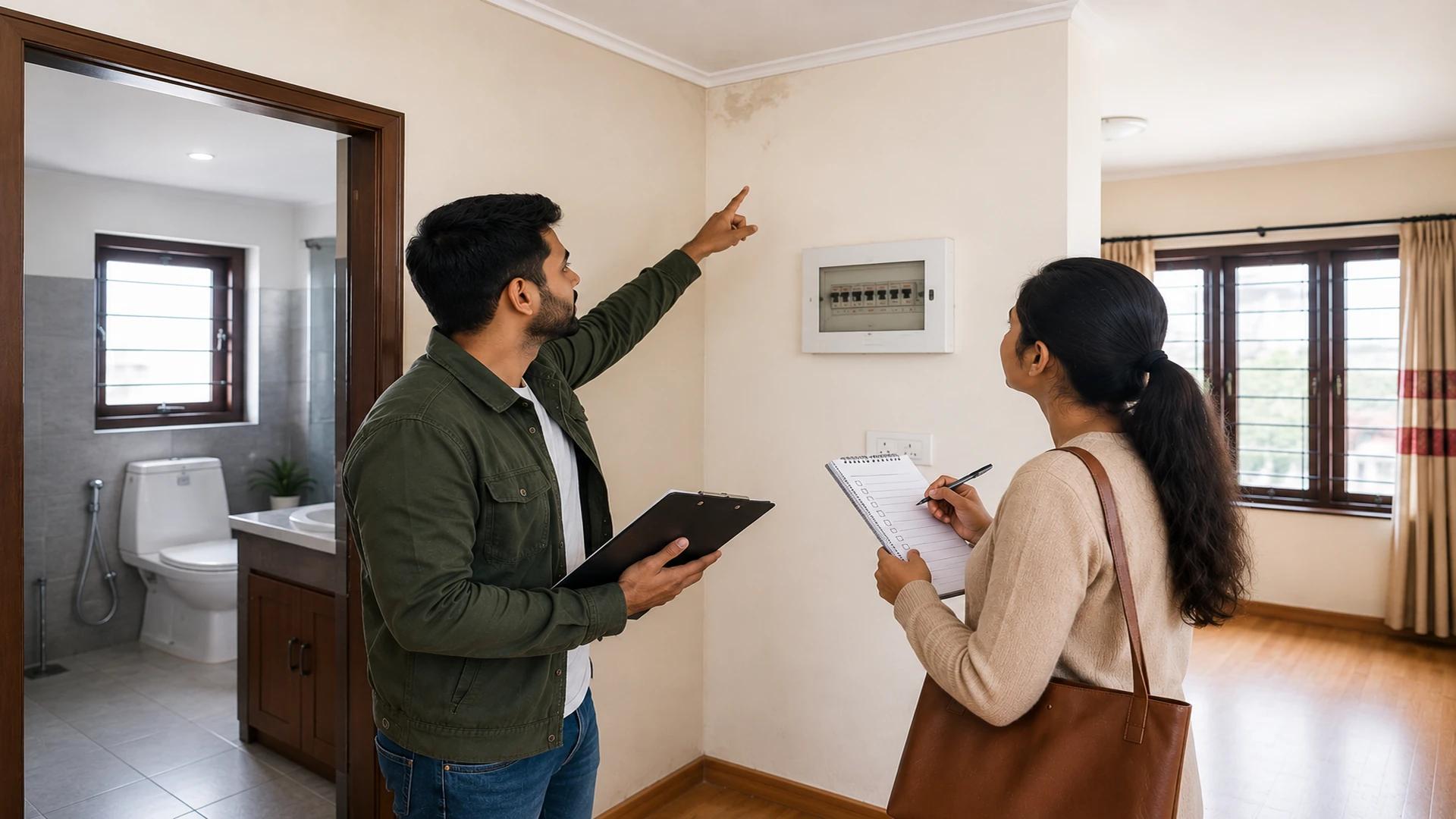
- Ceilings and top corners of rooms: brown rings or peeling paint mean a leak above.
- Bathroom and kitchen walls: press for soft plaster and look for black mold.
- Ground floor walls near the base: rising damp shows as a stained band low on the wall.
- Terrace and roof junctions: check where the water pipe meets the slab.
- Around the plot: see where rainwater goes. Poor drainage near the foundation weakens it.
If you visit after rain, you get an honest view. A dry season visit hides active leaks, so ask the owner directly whether any wall leaks in monsoon, and check the answer against the stains you see.
Electrical system

Faulty wiring is a fire and safety risk, and rewiring a whole house is disruptive. Do a simple electrical check.
- Open the main distribution board. Modern homes use MCBs. A board with old ceramic fuses and a tangle of wires usually means the wiring is old too.
- Turn on lights and switches in every room. Flickering or dead points are red flags.
- Count the power sockets. Older homes often have too few, which forces extension cords.
- Ask about the load sanctioned from the Nepal Electricity Authority and whether a three phase line is available if you need it.
- Look for an earthing connection. Many older houses have none, which is unsafe for modern appliances.
If wiring looks aged, budget for rewiring and factor it into your offer.
Plumbing, water supply, and sewage
Water supply in Kathmandu is not always reliable, so how a house stores and moves water matters a lot.
- Underground tank (sump) and overhead tank: ask their size in liters and check for cracks and clean water.
- Pump and motor: turn it on and confirm it lifts water to the top floor.
- Taps and flush: run every tap and flush every toilet. Weak flow may mean choked pipes.
- Boring or well: many homes have their own boring. Ask the depth, the water quality, and whether it runs dry in the dry months.
- Municipal water line: confirm the household has a Khanepani connection and check recent bills.
- Sewage and septic: ask where waste goes. A septic tank needs periodic cleaning, so ask when it was last emptied.
Smell the bathrooms. A persistent sewage smell can mean a broken trap or a poorly built line, which is unpleasant and costly to redo.
Doors, windows, floors, and finishing

These are cheaper to fix, but they tell you how well the house was built and maintained.
- Doors and windows: open and close each one. Sticking frames may mean the structure has shifted or the wood has swollen from damp.
- Window glass and locks: check for cracks and working latches, which matter for security.
- Floors: look for lifted or hollow tiles and gaps in wooden flooring.
- Paint and plaster: fresh paint on one wall only can hide a repair, so ask what is underneath.
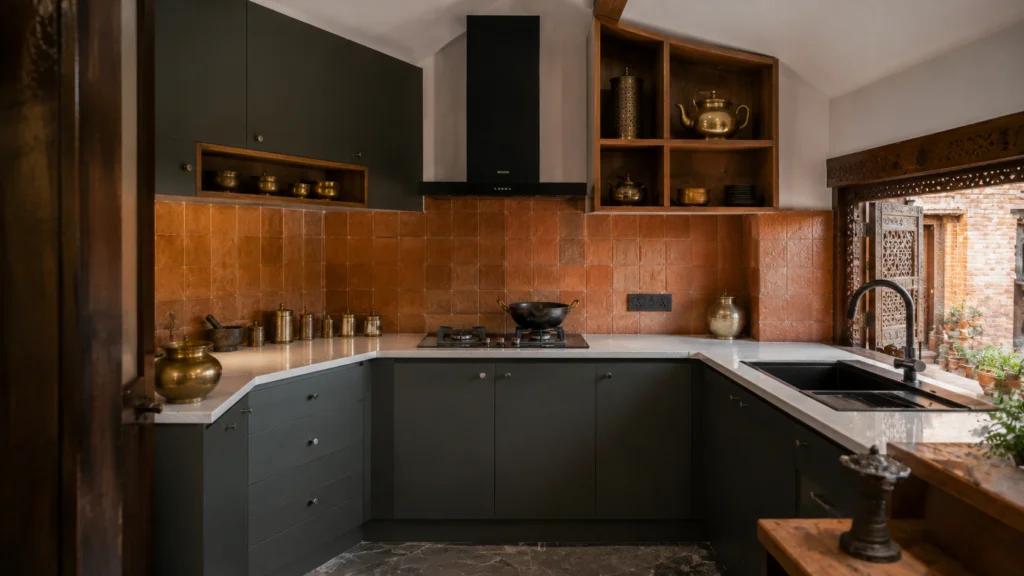
- Kitchen: check the platform, sink drainage, and any fitted cabinets.
- Bathrooms: check tile slope toward the drain so water does not pool.
Location, access, and neighborhood
A house is only as good as its surroundings. Spend time on the plot and the lane.
- Road access: is there a legal, motorable road to the house. A house without registered road access, or ghar bato, is hard to resell and to mortgage.
- Road width: can a car, and an ambulance or fire truck, reach the door.
- Parking: is there space inside the plot, or will you park on the street.
- Sunlight and air: visit at different times if you can. Some houses are dark and damp because taller buildings block the sun.
- Flooding: ask neighbors whether the lane floods in monsoon.
- Amenities: note the distance to schools, hospitals, the market, and public transport.
- Neighbors: a quick chat with a neighbor often reveals water problems, disputes, or noise that the seller will not mention.
Document and legal checks before buying a house in Nepal
A sound building with bad papers is still a bad buy. In Nepal, the paperwork is where many deals go wrong, so treat this part of the home inspection checklist as seriously as the walls and roof. If you want the full transfer process, see the Basobaas guide on how to buy a house in Nepal.
Lalpurja (land ownership certificate)

The lalpurja is the official ownership certificate issued by the District Land Revenue Office, the Malpot. Confirm that the seller’s name on the lalpurja matches their citizenship, and that the plot number, or kitta, and area match what you are buying. For a full walkthrough, read the Basobaas guide on what a lalpurja is and how to verify it.
Kitta naksa (plot map)
The kitta naksa is the survey map that shows the plot boundaries and the neighboring plots. Match the shape and size on the map to the land on the ground. If the boundary walls do not match the map, stop and get it surveyed. Boundary disputes are common and slow to resolve.
Municipal building permit and approved drawing
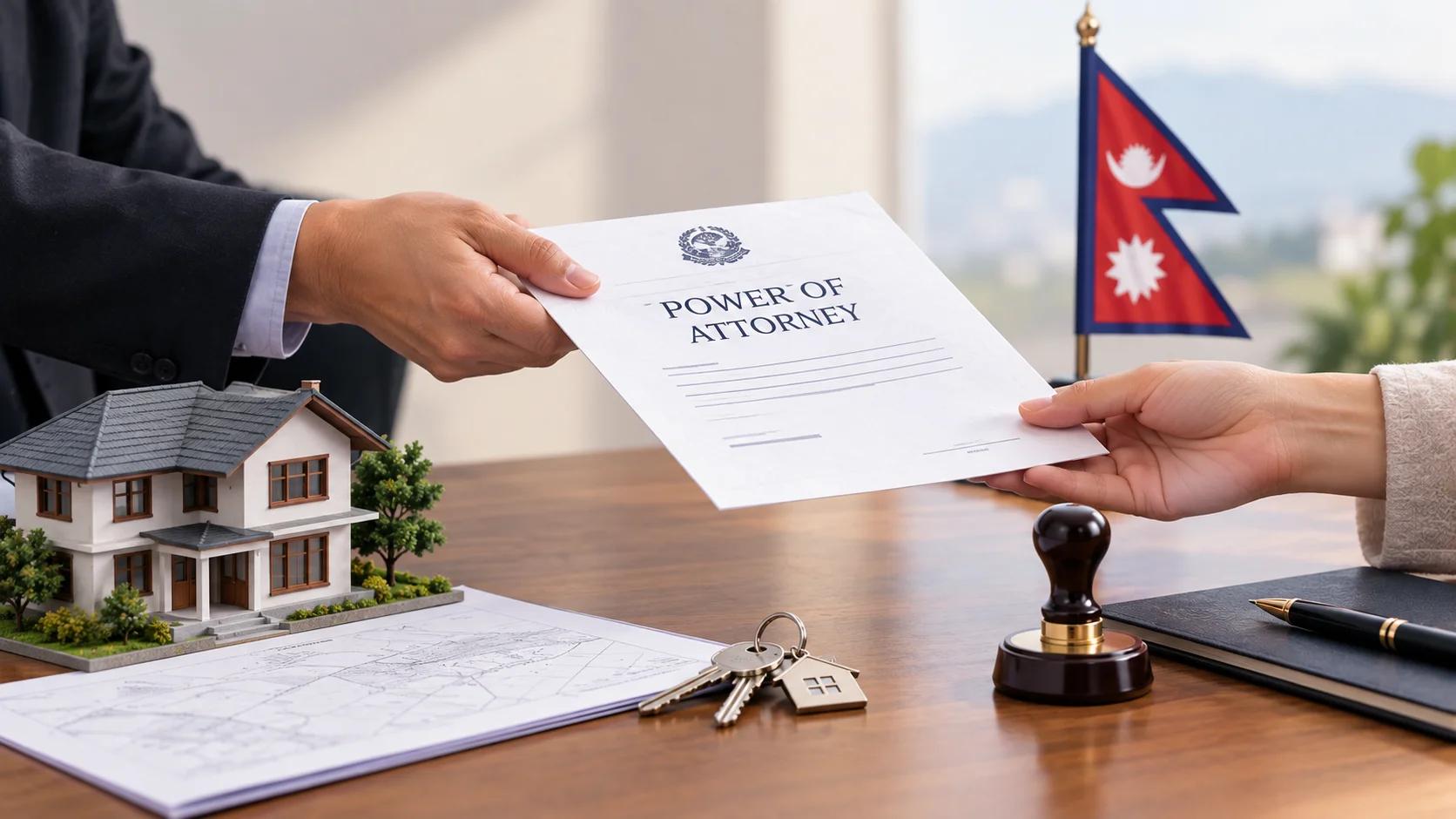
For any built house, the seller should have the building permit and the approved drawing, the pass naksa, from the local municipality. This confirms the house was built legally and to approved plans. Now compare the approved drawing to the actual building. If the house has an extra floor, a larger footprint, or a covered setback that is not on the approved drawing, that construction is unauthorized. You could inherit a fine or an order to demolish. This single check saves buyers a lot of grief.
Tax receipts and dues
Ask for the latest land revenue receipt, the malpot rasid, and the municipal house tax receipts. Unpaid property tax can transfer to you. Clear receipts also confirm the owner has been treating the property as their own, which supports their claim.
Verify online and at the office
You can check basic ownership details online at the Department of Land Management and Archives portal, dolma.gov.np. Enter the municipality, ward number, and kitta number. Treat the online check as a first pass. Always confirm the original documents in person at the Malpot office before you pay. Check that there is no roka, or freeze, and no undisclosed mortgage on the land.
For more traps to avoid, the Basobaas post on 5 big mistakes when buying land or a house in Nepal is worth a read before you commit.
Should you hire a professional inspector or engineer?
Nepal does not yet have a large, formal home inspector industry the way some countries do. In practice, buyers hire a civil or structural engineer to inspect the building, especially for older homes or anything above two floors. The engineer checks the structure, looks for code compliance, and gives you a written opinion. Fees vary by the size of the house and the engineer, so ask for a quote up front.
You can do the visual checklist above yourself. Bring an engineer when the stakes are high, when the building is old, or when you see structural warning signs. The cost is minor next to the price of a house, and their report is useful leverage in price talks.
A simple pre-visit checklist to carry
Print this and tick as you go.
- Cracks in columns, beams, and walls. Wide or diagonal ones noted.
- Floor level checked with a rolling ball in each room.
- Roof and terrace slope and standing water marks.
- Damp and leak stains on ceilings and walls.
- Every tap, flush, and light switch tested.
- Water tanks, pump, and boring checked and running.
- Doors and windows open and close cleanly.
- Road access, parking, and drainage around the plot.
- Lalpurja, kitta naksa, and citizenship matched.
- Building permit and approved drawing matched to the built house.
- Latest tax receipts collected.
- Online check at dolma.gov.np and confirmation at Malpot.
Frequently asked questions
What is the most important thing to check before buying a house in Nepal?
Two things tie for first place. The structure, meaning the foundation, columns, and any serious cracks, and the papers, meaning the lalpurja and whether the built house matches its approved municipal drawing. A weak structure is dangerous. Bad papers can void your ownership or bring fines.
Do I need to hire an engineer to inspect a house in Nepal?
Not always, but it is wise for older homes, multi story buildings, or any house showing cracks or tilt. A civil or structural engineer can judge earthquake safety and code compliance in a way a visual walkthrough cannot. Ask for a fee quote before you book.
How do I verify a house is built legally in Nepal?
Get the municipal building permit and the approved drawing, then compare the drawing to the actual building. Extra floors or extensions that are not on the approved plan are unauthorized construction. You can also confirm ownership details online at dolma.gov.np and in person at the Malpot office.
How can I check for water and damp problems if I visit in the dry season?
Look for old marks. Brown rings on ceilings, peeling paint in top corners, soft plaster in bathrooms, and a stained band low on ground floor walls all point to past leaks. Ask the owner directly which walls leak in monsoon, and check that answer against what you see.
Is an earthquake safe house available in Kathmandu?
Houses built to the NBC 105:2020 seismic code and supervised by an engineer are designed to resist earthquakes. Older homes vary. If earthquake safety is a priority, favor engineered buildings, ask for structural drawings, and have an engineer assess the frame before buying.
What documents should the seller give me?
At a minimum, the original lalpurja, the kitta naksa, the municipal building permit with the approved drawing, and the latest land revenue and house tax receipts. Match every name, number, and boundary to the property before you pay any advance.
Final word
A house inspection in Nepal is really two inspections in one. You are checking the building, and you are checking the paperwork behind it. Do both slowly, write down what you find, and do not let a seller rush you past a warning sign. If the structure worries you, bring an engineer. If the papers worry you, spend an afternoon at the Malpot before you spend a rupee.
When you are ready to start looking, you can browse verified homes and land, or post your own property, on Basobaas. A careful inspection today saves years of regret later.
Latest Posts
Fresh reads from Basobaas