Nepal Property Price Forecast 2026–2027: Expert Analysis
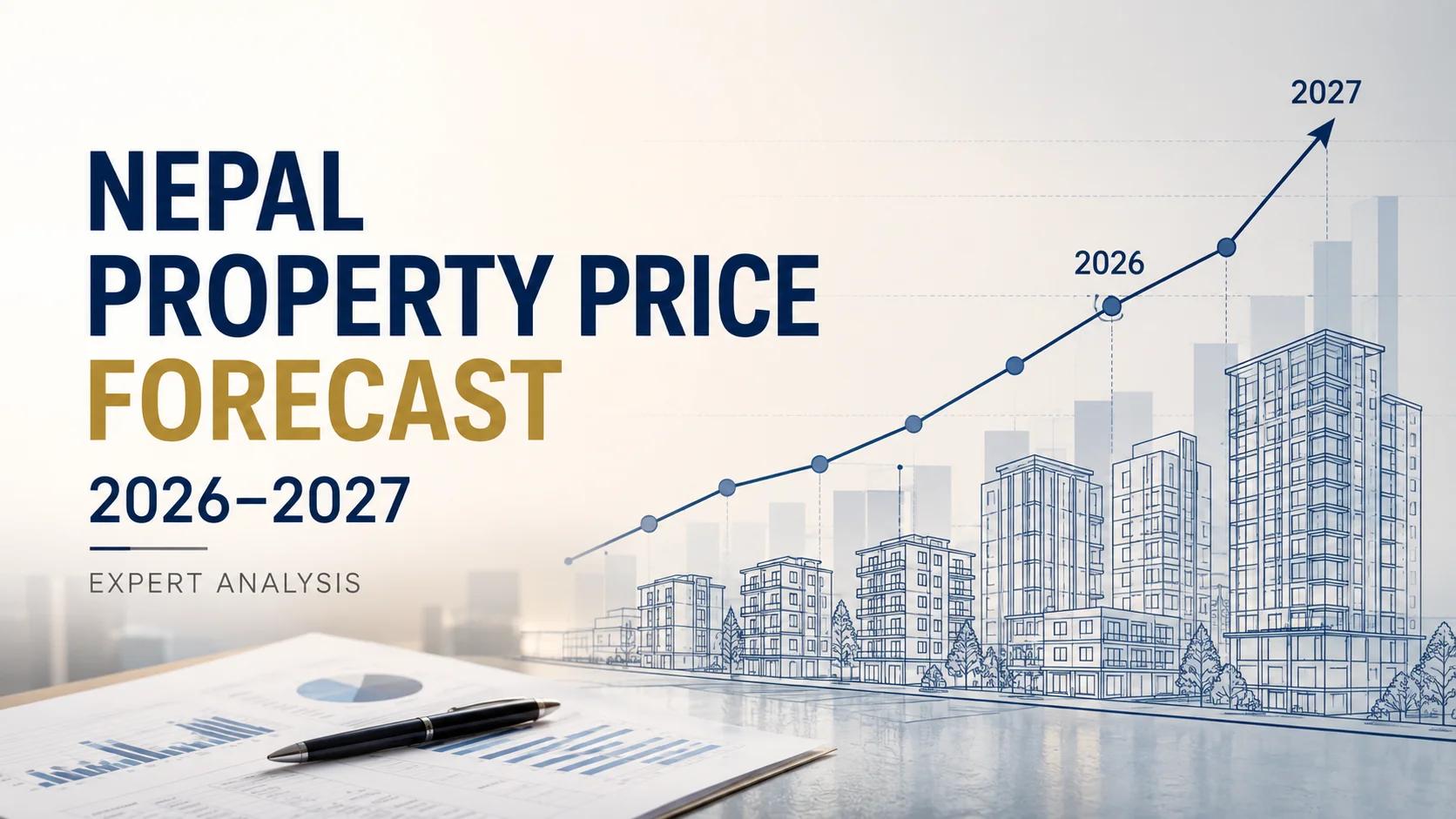
Predicting property prices requires honest acknowledgement of uncertainty, anyone who claims to know exactly where the market will go is selling something. What experienced analysts can do is identify the key demand and supply drivers, assess the macro environment, and form a well-reasoned directional view. Here is Basobaas’s expert property price forecast for Nepal through 2026 and into 2027, based on current market data, economic indicators, and structural trends.
Factors Driving Property Prices

Nepal’s property prices are shaped by: interest rate levels (NRB policy and commercial bank base rates); remittance inflows (Nepal receives approximately 25% of GDP in remittances – a primary source of property investment capital); urbanisation rate and internal migration to Kathmandu and Pokhara; housing supply pipeline (new construction completions); government policy (housing schemes, land use regulations, tax changes); and broader economic growth and employment conditions.
Current Price Snapshot (Early 2026)
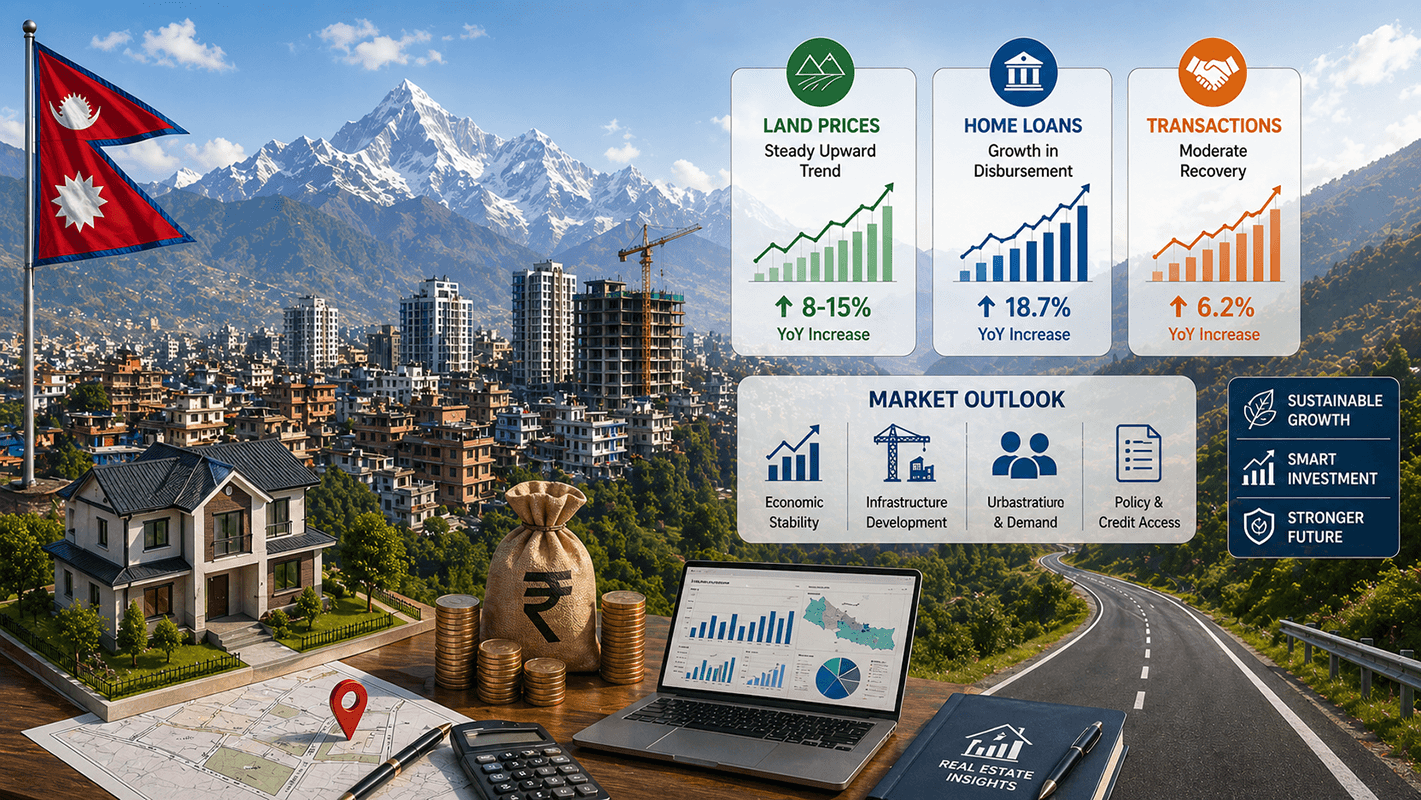
Central Kathmandu land prices have stabilised after a 10–15% correction from 2022–2023 highs. Mid-range apartment prices (NPR 80 lakh–1.5 crore segment) have held relatively firm, supported by genuine end-user demand. Rental rates have continued to grow at 5–8% annually, maintaining rental yields in the 3–5% range for residential property. Pokhara has seen stronger appreciation, driven by airport-linked demand and tourism recovery.
Kathmandu Forecast 2026–2027
Our central case for Kathmandu residential property: modest appreciation of 5–8% per annum through 2026–2027, primarily in the mid-market segment (NPR 80 lakh–2 crore). Premium central Kathmandu (NPR 2 crore+) will see more modest gains as new supply absorbs some demand. Peri-urban areas with infrastructure improvements (Tokha, Kapan, Bhaisepati extension) are expected to outperform, potentially delivering 10–15% appreciation as development continues.
The upside scenario: if NRB reduces policy rates and banks cut home loan rates, buyer affordability improves sharply, potentially accelerating market activity and price growth to 10–12%.
The downside scenario: sustained high interest rates, a significant remittance slowdown, or adverse government policy changes could limit appreciation to 2–4%.
Pokhara Forecast
Pokhara is the more dynamic market. The Pokhara International Airport’s full operation is expected to continue driving both commercial and residential demand. Our forecast: 8–12% property price appreciation in well-located Pokhara areas through 2026–2027, with hospitality-linked properties (guesthouses, serviced apartments) potentially exceeding this as tourist arrivals grow. The airport corridor (Hemja, outer Pokhara) represents the strongest growth pocket.
Tier 2 Cities: Birgunj, Biratnagar, Butwal
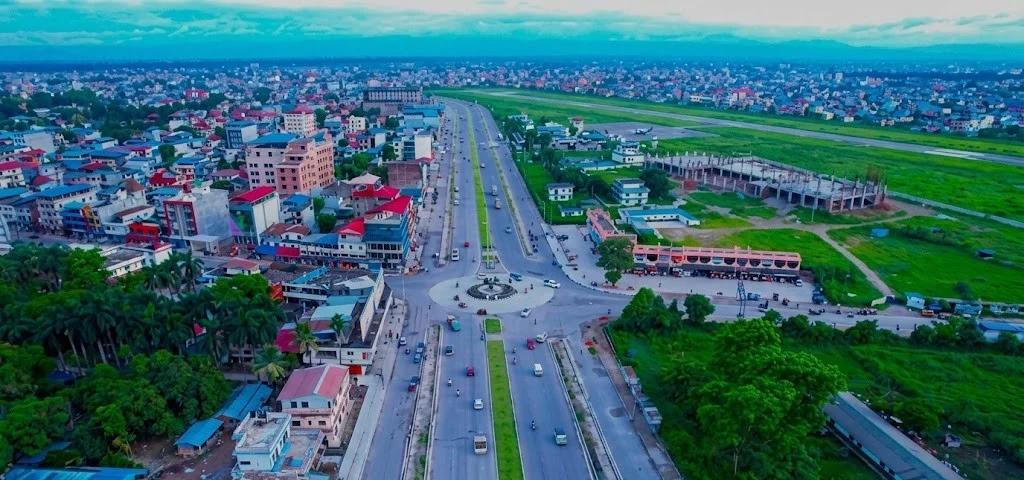
Nepal’s secondary cities are attracting increasing investment interest as Kathmandu prices push some investors to look further. Birgunj and Biratnagar, driven by border trade, are seeing commercial property appreciation of 6–10%. Butwal and Bhairahawa, with improving connectivity (Siddharth Highway upgrades and Bhairahawa airport), are seeing residential land appreciation of 8–12% from a lower base. These markets offer better yield but higher risk and lower liquidity than Kathmandu.
Risk Factors to Watch

- Interest rate environment: any significant NRB tightening would cool the market
- Remittance policy changes: regulations affecting how remittances are received or invested
- Land use and zoning revisions: municipal master plan updates could impact development potential
- Political stability: Nepal’s political environment affects investor confidence and FDI
- Natural disaster risk: earthquake events create both supply disruption and demand for rebuilt stock
Investment Implications
The 2026 entry point for Nepal real estate is reasonable not a screaming bargain, but not a bubble top either. Buyers purchasing for long-term ownership (7+ years) in established areas with genuine demand drivers have a favourable risk-reward profile. Short-term speculative buyers face more risk given moderate near-term appreciation expectations and transaction costs.
Ready to invest based on informed market intelligence? Explore properties on Basobaas.
Latest Posts
Fresh reads from Basobaas