
Buying property in Nepal is one of the largest financial commitments most people will ever make—and it is one where due diligence can save you from devastating losses. Nepal’s property market, while maturing rapidly, still carries risks that stem from informal practices, documentation gaps, and complex joint-family ownership structures. In 15 years of advising buyers across the Kathmandu Valley and beyond, the same preventable mistakes appear again and again. Here are the seven most critical checks every buyer must complete before committing to any property purchase in Nepal.
Why Due Diligence Matters
Property fraud, encumbered titles, boundary disputes, zoning violations, and undisclosed joint ownership claims are all real risks in Nepal’s property market. A small investment of time and money in due diligence—before you hand over any money—can prevent years of legal battles and financial losses that far exceed what the due diligence cost. Treat this process as non-negotiable, even when a seller is a trusted friend or family member.
1. Title Deed (Lalpurja) Verification
The Lalpurja is Nepal’s land ownership certificate, and it is the most fundamental document in any property transaction. Verify: the seller’s name matches the Lalpurja exactly; the land parcel number (kitta number) matches what is being sold; the Lalpurja has not been flagged or withheld by any government authority; and there are no annotations indicating disputes or restrictions. This verification must be done in person at the relevant District Land Revenue Office—do not accept photocopies alone.
2. Encumbrance Search
An encumbrance search reveals whether any loans, mortgages, or legal claims are registered against the property. In Nepal, property is frequently used as collateral for bank loans—if you buy a property with an undisclosed loan registered against it, you inherit the lender’s claim. Request an encumbrance certificate from the Land Revenue Office covering the past 35 years. If any encumbrances exist, they must be discharged before the sale can proceed.

3. Zone and Land Use Verification
Check with the local municipality that the land is classified for your intended use. Nepal’s municipalities have zoning maps that designate land as residential, commercial, agricultural, or restricted use. Purchasing what you believe is a residential plot that is actually zoned agricultural or falls within a restricted zone (riverbank, forest buffer, heritage zone) can leave you unable to build. This step is often overlooked and is a source of serious disputes.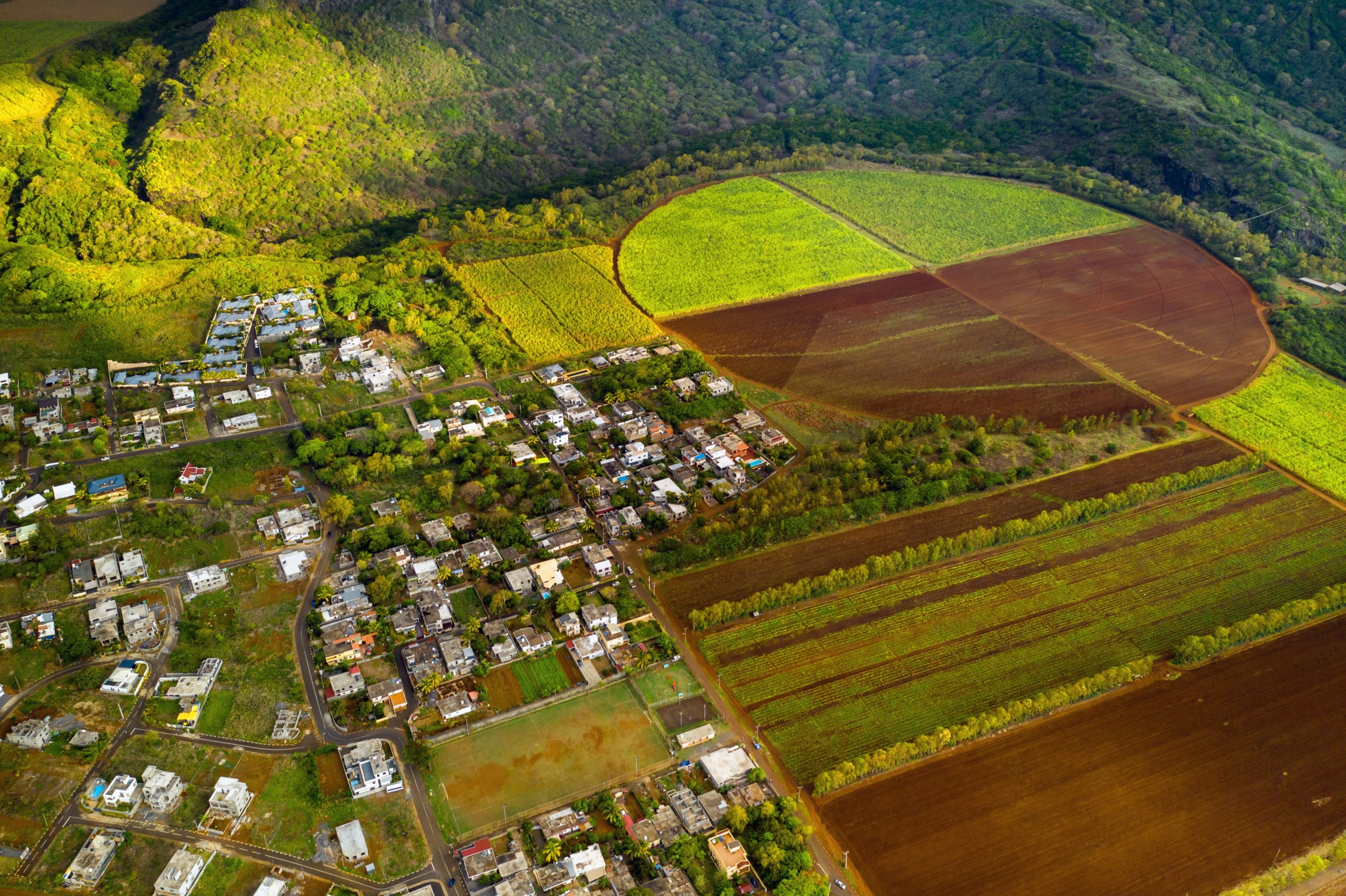
4. Land Survey and Boundary Verification
Request the official land parcel map (Napi Naksha) from the Survey Department and physically walk the boundaries with the seller before completing any agreement. Boundary disputes between neighbours are extremely common in Nepal, particularly in older areas where informal extensions and encroachments are widespread. Ensure that what you are buying on paper matches what is on the ground.

5. Building Inspection and Completion Certificate
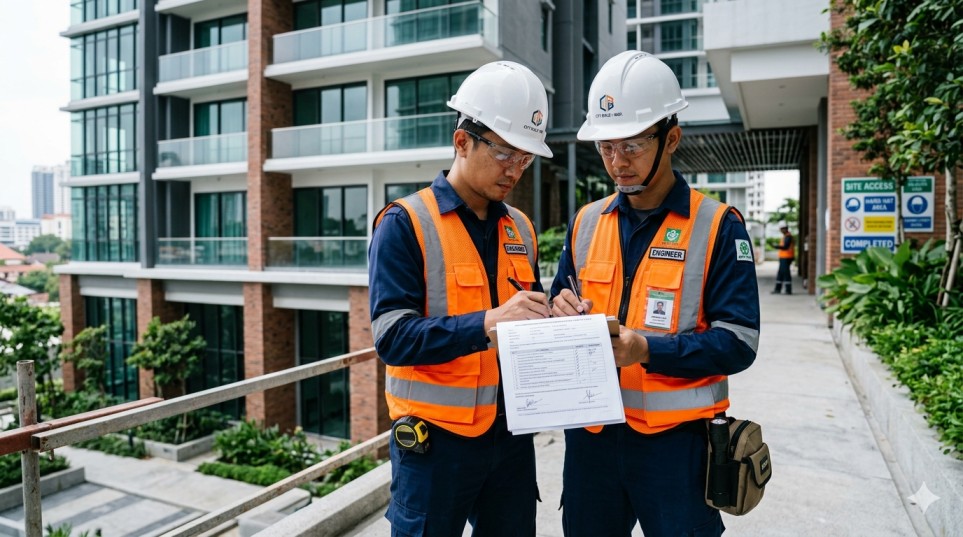
For properties with existing structures, verify that the building has a valid occupancy certificate (completion certificate) from the municipality—confirming it was built to approved plans and passed inspection. Since the 2015 earthquake, earthquake compliance is a critical additional check. Look for evidence of: visible structural cracks, poor quality construction materials, additions built without permits, and appropriate seismic design features. Hire a structural engineer for high-value purchases.
6. Property Tax Clearance
Confirm that all outstanding property taxes (Malpot) and local municipality taxes (Ghar Jagga Kar) are fully paid up to date. Unpaid taxes can create complications during registration and, in some cases, can result in government action against the property. Request official tax clearance certificates from both the Land Revenue Office and the relevant municipality. 
7. Seller’s Legal Authority to Sell
This is the most frequently overlooked check, and it causes some of the worst disputes. Verify that the person selling the property has the full and undivided legal right to sell it. Issues arise when: property is jointly owned by family members (Amsha Patta) and not all owners consent; the property is part of an estate being distributed and ownership has not been formally transferred; or a Power of Attorney used in the transaction is invalid or expired. Have a lawyer review all ownership documents before signing anything.
Let Basobaas help you navigate the due diligence process. Browse verified properties or contact our property experts for guidance.