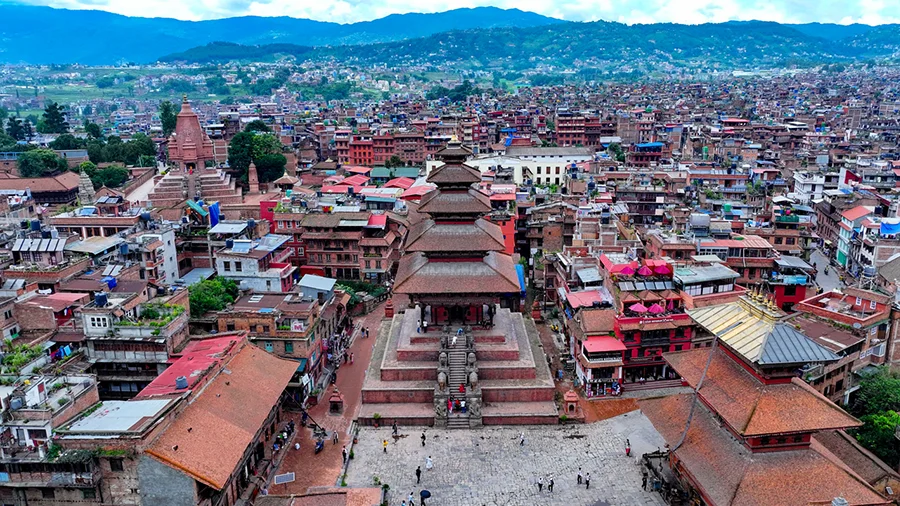
Thinking about living in Bhaktapur? Here is the short version. Bhaktapur gives you the calm, the culture, and the open space that central Kathmandu lost years ago, and it does this at a lower price per aana than most Valley suburbs. You trade a longer commute and a slower pace for cleaner air, wider plots, and a real sense of community.
Bhaktapur sits at the eastern edge of the Kathmandu Valley, roughly 13 to 15 km from the center of Kathmandu. Most days that is a 40 to 60 minute drive, depending on traffic on the Araniko Highway. The district holds a population of around 430,000 (2021 Census), and the old city core is still more than 90 percent Newar.
If you want heritage streets, temples, and a tight local culture, the historic core delivers that. If you want modern housing, colonies, and space to build, the newer belts like Sallaghari, Kamalbinayak, Katunje, Suryabinayak, Thimi, and Lokanthali are where most buyers and renters end up. This guide breaks down prices, connectivity, daily life, and who Bhaktapur actually suits.
Is Bhaktapur a good place to live?
Bhaktapur works well if you value quiet, culture, and value for money, and you do not need to be in central Kathmandu every day. It suits families, retirees, remote workers, and buyers who want more land for their budget. It works less well if your job, school, or social life pulls you to Thamel, Durbarmarg, or the western half of the Valley daily. The commute will wear on you.
Here is the snapshot:
- Land price range (2026): roughly NPR 10 lakh to 65 lakh per aana, depending heavily on location and road access.
- Distance to central Kathmandu: about 13 to 15 km, 40 to 60 minutes by road.
- Best for: families, culture lovers, first-time buyers stretched on budget, people wanting bigger plots.
- Main trade-off: commute time and fewer high-end amenities than Lalitpur or central Kathmandu.
Where is Bhaktapur and how connected is it?
Bhaktapur is the smallest of the three historic cities in the Valley, after Kathmandu and Lalitpur. It lies east of both. The main road link is the Araniko Highway, which runs from Kathmandu through Bhaktapur and on toward Dhulikhel and the Chinese border.
For daily travel, you have a few options. Public buses and microbuses run frequently along the Araniko Highway and connect Bhaktapur to Ratnapark, Koteshwor, and other Kathmandu hubs. A taxi from central Kathmandu to Bhaktapur typically costs somewhere in the NPR 900 to 1,500 range, though you should always agree on the fare or use a ride app first.
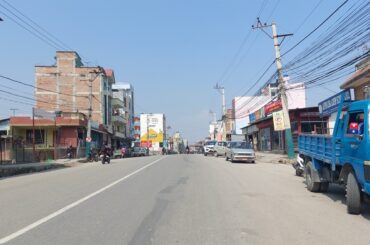
The honest issue is traffic. The stretch through Jadibuti, Lokanthali, and Koteshwor gets heavy at peak hours. What looks like a 30 minute trip on a map can stretch past an hour in the morning rush. Families with children who study in Kathmandu schools feel this most. Before you commit to a home in Bhaktapur, do the commute yourself on a weekday morning. Do not judge it on a quiet Saturday.
One point in Bhaktapur’s favor: the eastern side of the Valley has seen steady road upgrades, and areas near the highway are better connected than they were five years ago. That said, road work also means periodic disruption. The Araniko Highway has seen night closures for upgrading sections toward Dhulikhel in 2026, so keep an eye on local notices if you rely on that route.
Bhaktapur neighborhoods: Where should you actually live?
Bhaktapur is not one place. The experience of living inside the walled old city is completely different from living in a housing colony in Katunje. Here is how the main areas break down.
The historic core (Durbar Square, Taumadhi, Dattatreya)
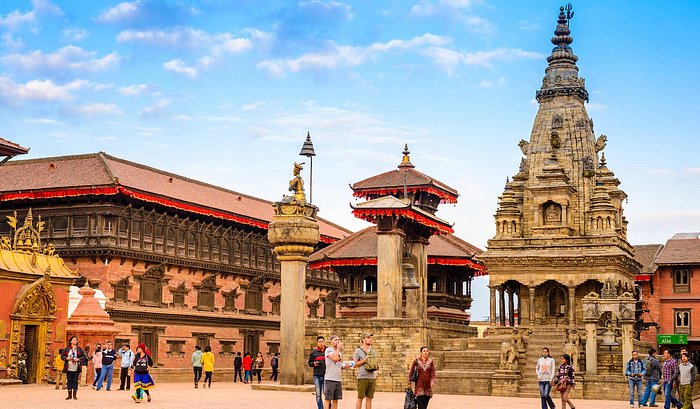
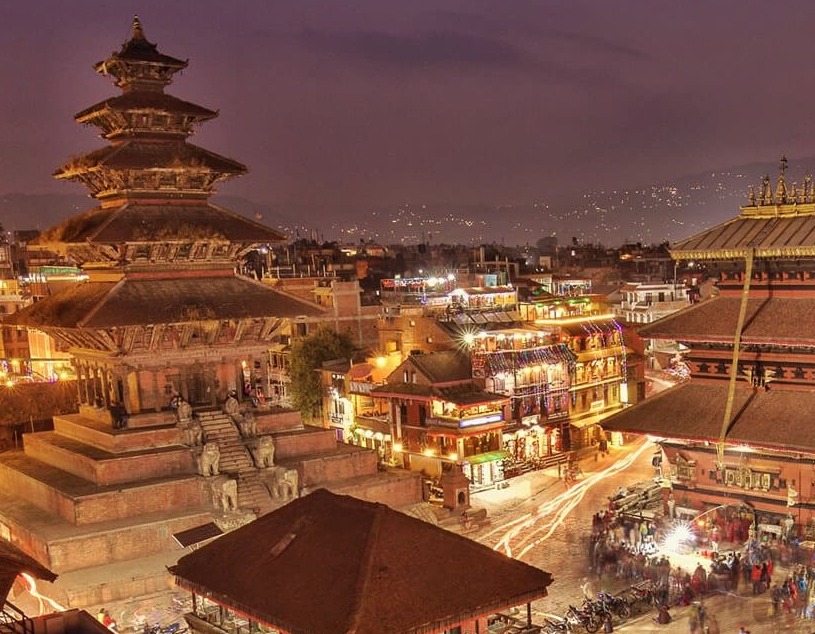
This is the postcard Bhaktapur. Brick houses, narrow lanes, temples, and pottery squares. Living here means living inside a UNESCO World Heritage zone, which is romantic but also restrictive. You cannot freely rebuild or modify heritage structures. Vehicle access is limited in the tightest lanes. Property here is often old, tightly packed, and passed down through families, so it rarely comes to the open market.
Renters sometimes find rooms or small flats in the core, and it can be a wonderful base if you love the culture and do not mind carrying groceries up old stairs. Buyers should go in with eyes open about renovation limits and parking.
Sallaghari and Kamalbinayak
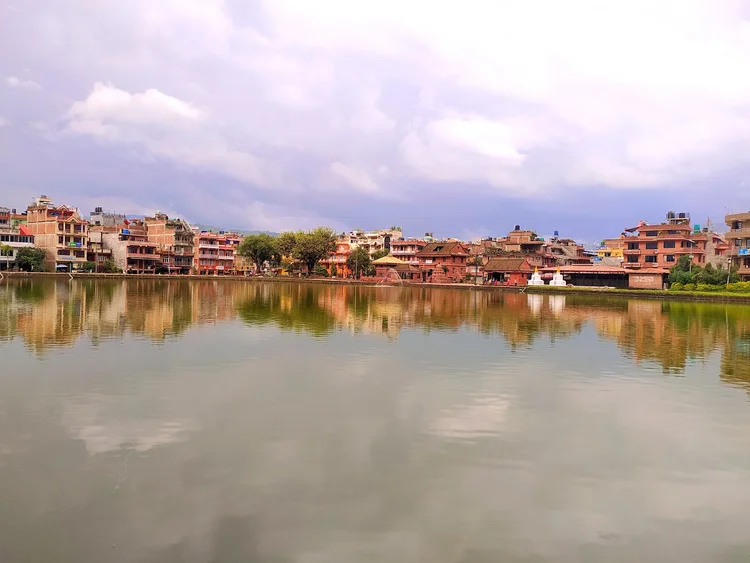
These belts sit just outside the old city and are popular with middle-class families. You get a mix of older homes and newer builds, decent road access, and easy reach to Bhaktapur’s markets, schools, and hospitals. Prices here are higher than the outer VDC areas but still below central Kathmandu.
Suryabinayak, Katunje, and Sipadol
Suryabinayak Municipality, named after the Suryabinayak temple, sits south of the old city and is the largest municipality in the district. Katunje is its center, and Sipadol, Nankhel, and nearby areas fall under it. This side has more open land, newer housing, and growing colonies. It suits buyers who want to build their own house on a proper plot. The temple, the forest area, and the calmer feel are real draws.
Thimi, Sano Thimi, and Radhe Radhe
Thimi (Madhyapur Thimi) lies between Kathmandu and Bhaktapur along the highway. It is closer to Kathmandu, which shortens the commute, and it has a strong pottery tradition of its own. Sano Thimi and Radhe Radhe are busy, well-connected pockets with schools and colleges nearby. If you want Bhaktapur value but a shorter run into the city, Thimi is worth a serious look.
Lokanthali, Gathaghar, and the highway belt
These areas near the Kathmandu side of the highway are the most convenient for commuters. They are busier and more built-up. You give up some of the quiet that draws people to Bhaktapur, but you gain time on the road. Prices here reflect that convenience and tend to sit at the higher end of the Bhaktapur range.
How much does property cost in Bhaktapur?
Land in Bhaktapur trades across a wide band. Based on 2026 listings, prices run from around NPR 10 lakh per aana in outer, low-access areas. Prime, road-connected pockets reach NPR 55 to 65 lakh per aana. For example, plots in Gathaghar have been listed near NPR 55 lakh per aana, while land in parts of Thimi has appeared closer to NPR 26 lakh per aana. These are asking prices, not settled deals, so treat them as a starting point.
What moves the price inside Bhaktapur:
- Road access. A plot on a motorable, pitched road can cost several times more than one reached by a narrow lane. This is the single biggest factor.
- Distance from the highway. Closer to the Araniko Highway usually means higher prices and easier resale.
- Zoning and land type. Residential land near colonies costs more than farmland on the edges. Always confirm the land use.
- Old city versus new belts. Heritage-zone property carries rebuilding limits, which affects value in both directions.
Rentals follow a similar logic. A family flat in Sallaghari or Kamalbinayak will cost less than a comparable place in central Kathmandu, and you often get more space and light. Exact rents move with the season and the property, so check current listings rather than trusting a fixed figure.
For a wider view of how Bhaktapur compares with the rest of the Valley, it helps to read a Valley-wide price breakdown alongside this guide. See our post on land price trends across Kathmandu for context. And if the units confuse you, our Nepal land unit converter explains aana, ropani, and the rest.
What is daily life in Bhaktapur like?
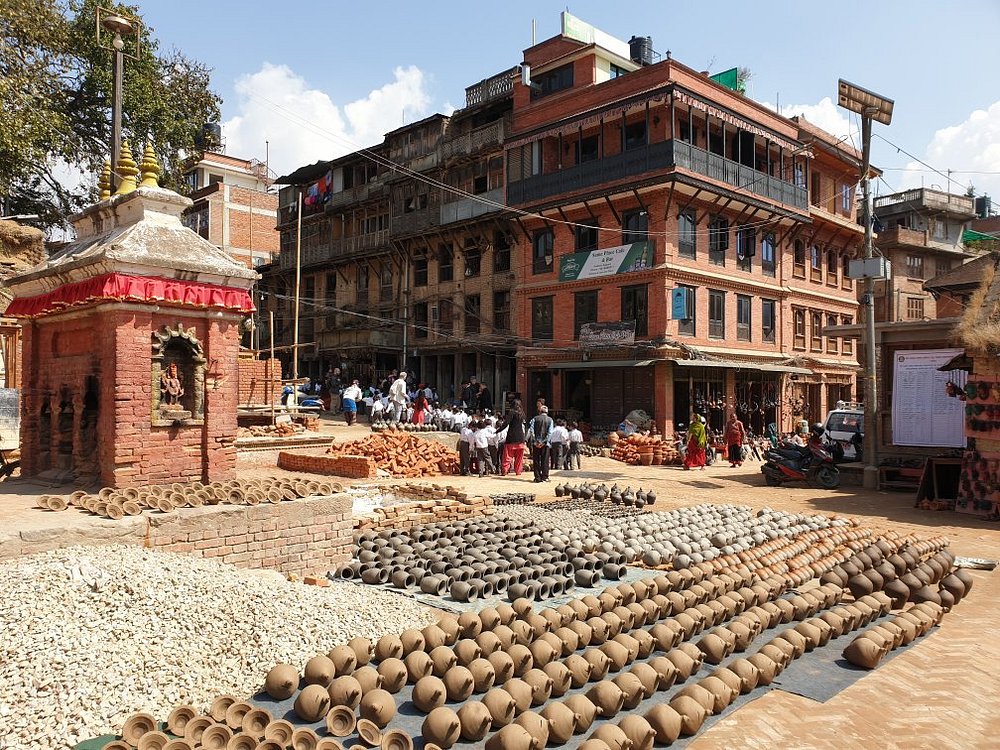
Bhaktapur moves at a slower pace than Kathmandu, and most residents count that as the main benefit. The old city is largely pedestrian, festivals fill the calendar, and the Newar community keeps traditions alive in a way you rarely see in the newer parts of the Valley. Pottery, wood carving, and mask making are still working crafts here, not just tourist shows.
For everyday needs, the city is well served. There are local markets, established schools, colleges such as Bhaktapur Multiple Campus, and health facilities. You will not find the dense mall culture or the nightlife of Kathmandu, but you will find bakeries, the famous juju dhau (king curd), and a genuinely walkable old town.
Air quality is generally better than in the choked central corridors of Kathmandu, especially on the greener southern and eastern edges near Suryabinayak. Bhaktapur also keeps large stretches of farmland around the core, which keeps the feel semi-rural in places.
One practical note for residents and visitors: the old city runs a heritage entry fee for tourists, around NPR 1,800 for foreigners as of 2026, with a lower rate for SAARC nationals. Nepali citizens who live in or visit the city are generally not charged for daily movement. If you rent inside the core, keep your local documents handy.
Pros and cons of living in Bhaktapur
The pros:
- More land and space for your money than Lalitpur or central Kathmandu.
- Cleaner air and a quieter, calmer daily pace.
- Strong culture, community, and heritage, especially in and around the old city.
- Room to build your own home in the newer belts like Katunje and Suryabinayak.
- Steady infrastructure improvements on the eastern side of the Valley.
The cons:
- The commute into Kathmandu can be long and unpredictable at peak hours.
- Fewer premium amenities, international schools, and hospitals than central areas.
- Heritage-zone rules limit what you can rebuild in the old city.
- Some outer areas still have weak road access, which affects both living and resale.
Who should choose Bhaktapur?
Bhaktapur is a strong fit for a few clear groups.
Families who want space, safety, and a slower environment for children, and who can arrange schooling locally or accept a commute, do well here. First-time buyers priced out of Kathmandu and Lalitpur can often afford a real plot in Bhaktapur instead of a cramped one elsewhere. Retirees and remote workers who do not need to be in the city every day get the best of the deal, since the commute stops being a daily problem.
Investors also watch Bhaktapur, mainly the highway belt and the growing colonies, because road upgrades and Valley-wide expansion keep pushing demand eastward. As always, the value sits in road access and clear titles, not just the address.
Bhaktapur is a weaker fit for some people. It disappoints if your work or social life is anchored in western Kathmandu. It also falls short if you need international-standard schools and hospitals within minutes, or want a fast-paced urban lifestyle. In those cases, a Kathmandu or Lalitpur neighborhood will serve you better. Our guide to the best neighborhoods in Kathmandu can help you weigh the alternatives.
Buying in Bhaktapur: What to check before you commit?
The rules for a safe purchase in Bhaktapur are the same as anywhere in Nepal, with a couple of local twists.
First, verify the lalpurja (ownership certificate) and confirm the land is free of disputes, roka (freeze), or bank claims at the local Malpot (Land Revenue Office). Second, confirm road access in writing, since a plot’s value in Bhaktapur lives or dies on how you reach it. Third, check the zoning and land use, especially if a plot near the edge looks cheap. It may be agricultural land with limits on building. Fourth, if you are looking inside the heritage core, ask specifically about rebuilding and renovation rules before you fall in love with a brick facade.
Walk the plot, match it against the naksa (blueprint), and do the commute at a real weekday hour. For the full process, our step-by-step guide on how to buy land in Nepal covers documents, fees, and registration in detail.
Frequently asked questions
How far is Bhaktapur from Kathmandu? Bhaktapur is roughly 13 to 15 km east of central Kathmandu. By road, expect 40 to 60 minutes on the Araniko Highway, longer during peak traffic through Koteshwor and Jadibuti.
Is Bhaktapur cheaper than Kathmandu for property? Generally yes. Land in Bhaktapur runs from around NPR 10 lakh to 65 lakh per aana in 2026, depending on location and road access. That is usually below comparable plots in central Kathmandu or Lalitpur. Rentals also tend to be cheaper for similar space.
Which area of Bhaktapur is best for families? Sallaghari, Kamalbinayak, Katunje, and Suryabinayak are popular with families for their mix of housing, schools, markets, and calmer streets. Thimi and Lokanthali suit families who want a shorter commute into Kathmandu.
Is the air quality in Bhaktapur better than Kathmandu? On the greener southern and eastern edges near Suryabinayak, air quality is usually better than in the dense central corridors of Kathmandu. The highway belt near Koteshwor is busier and dustier.
Can I build a modern house in Bhaktapur? Yes, in the newer belts like Katunje, Suryabinayak, and Sipadol, where open plots are available. Inside the UNESCO heritage core, rebuilding and modifications are restricted, so check the rules before buying there.
Is Bhaktapur a good place to invest in real estate? It can be, especially along the highway belt and in growing colonies, where road upgrades and Valley expansion drive demand. Focus on road access and clean titles rather than the address alone, and treat listing prices as negotiable.
The bottom line
Bhaktapur rewards people who want space, culture, and value, and who can live with a commute. The old city gives you heritage you cannot find anywhere else in the Valley. The newer belts give you room to build a modern home for less than you would pay in Kathmandu or Lalitpur. Do the commute before you buy, check road access and titles carefully, and match the neighborhood to your daily life.
Ready to see what is available? Browse current Bhaktapur listings on Basobaas, or post your property if you are looking to sell or rent in the area.