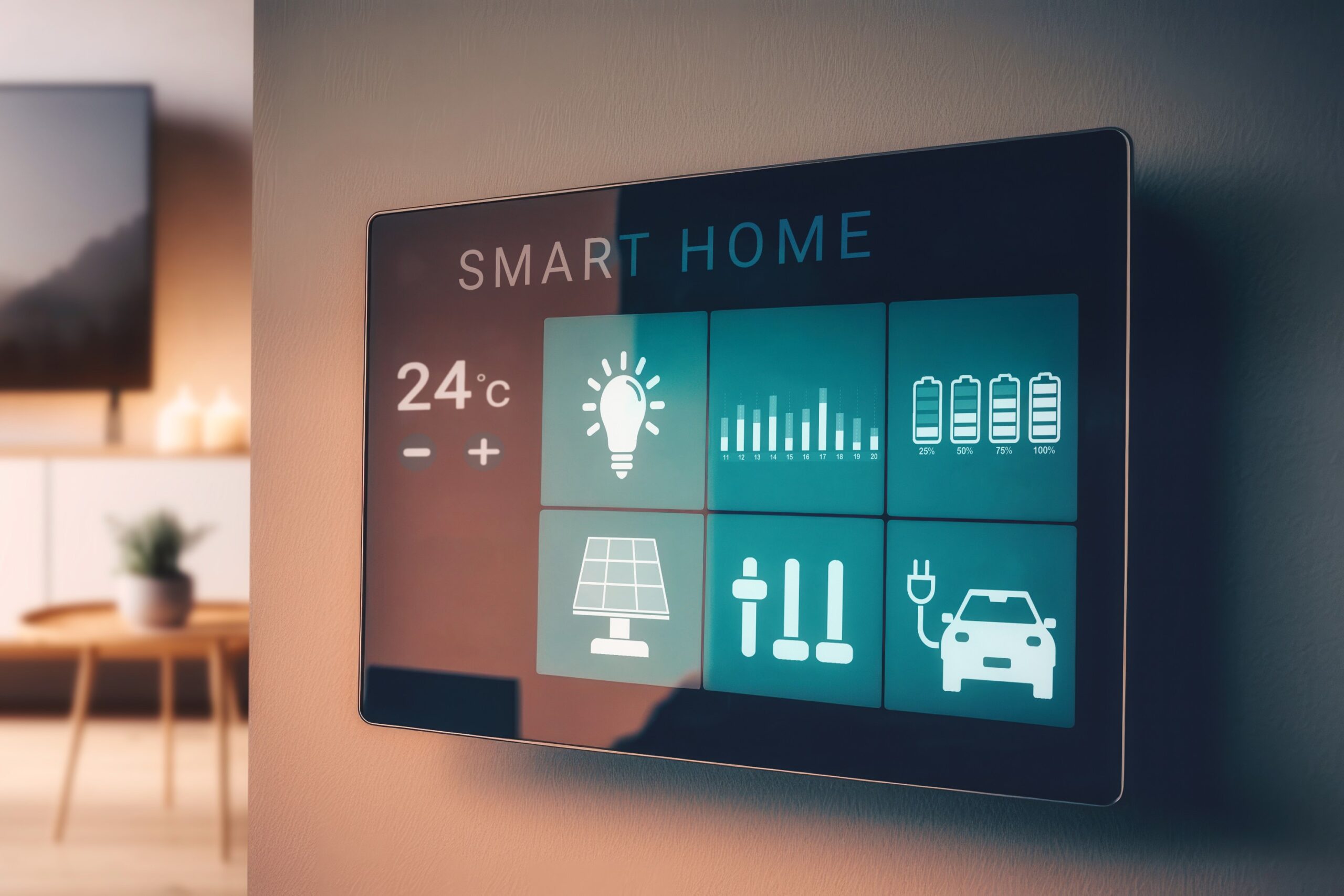
Five years ago, smart home technology in Nepal was a luxury reserved for Kathmandu’s most premium addresses. In 2026, it is moving firmly into the mainstream. Developers are incorporating smart features into mid-range projects, buyers are asking about automation capabilities during viewings, and property listings featuring smart tech consistently attract more enquiries. Here is a clear-eyed look at what smart home technology means in Nepal’s context, what buyers actually want, and whether it adds real value to your property.
What is a Smart Home in the Nepal Context?
In international markets, “smart home” often conjures images of voice-controlled everything and elaborate automation systems. In Nepal’s practical context, smart home features are more grounded—solutions that address real daily challenges like power cuts, water shortages, and security concerns, enhanced with modern automation and connectivity. The most valued smart features in Nepal are those that solve problems, not those that simply add novelty.
Smart Home Features Buyers Want Most in 2026
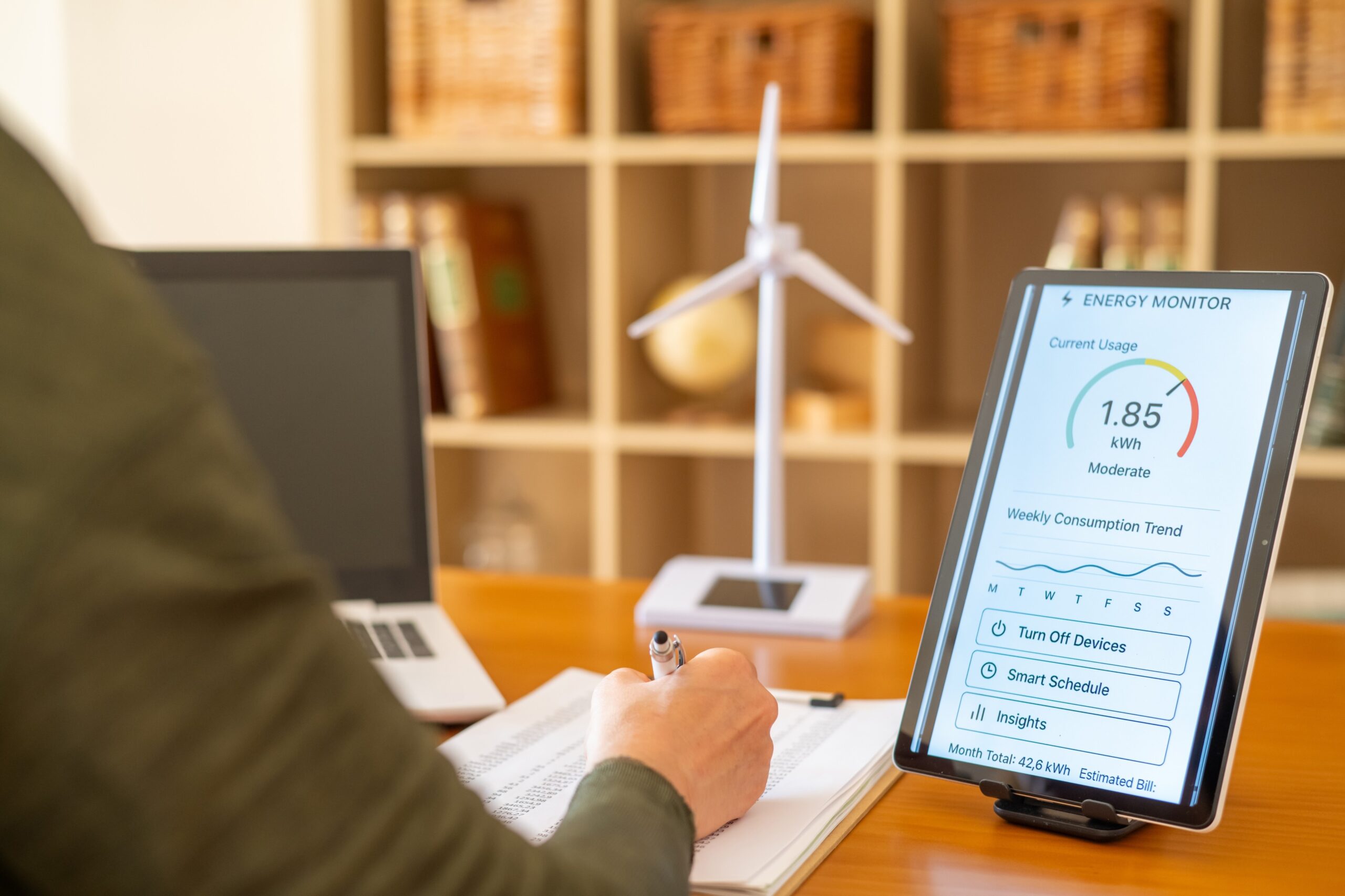
Smart Power Management: Automated inverter/solar systems that switch seamlessly between grid power, battery, and solar without manual intervention are arguably the single most valued smart feature in Nepal’s context. Load-shedding anxieties are deeply ingrained—a home that manages power intelligently commands a significant premium.
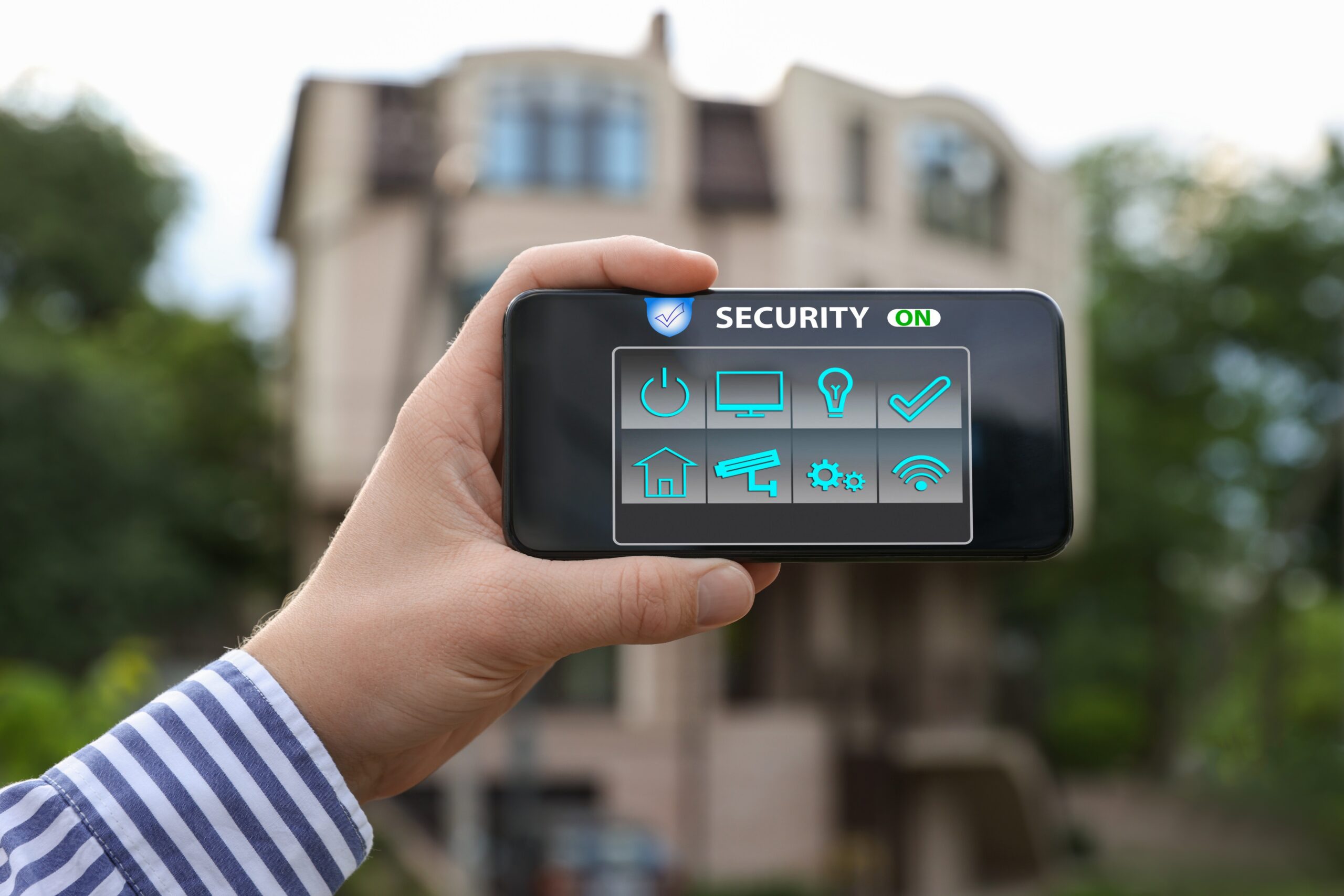
Smart Security: App-controlled CCTV cameras, video doorbells, and smart locks that allow remote monitoring and access control are increasingly standard in new developments. The ability to check your property from abroad is particularly valued by NRNs and frequent travellers.
Automated Water Management: Smart water pump controllers that automatically fill tanks when levels drop, water flow monitors that detect leaks, and app-based monitoring of water storage levels address one of Kathmandu’s most persistent infrastructure headaches.
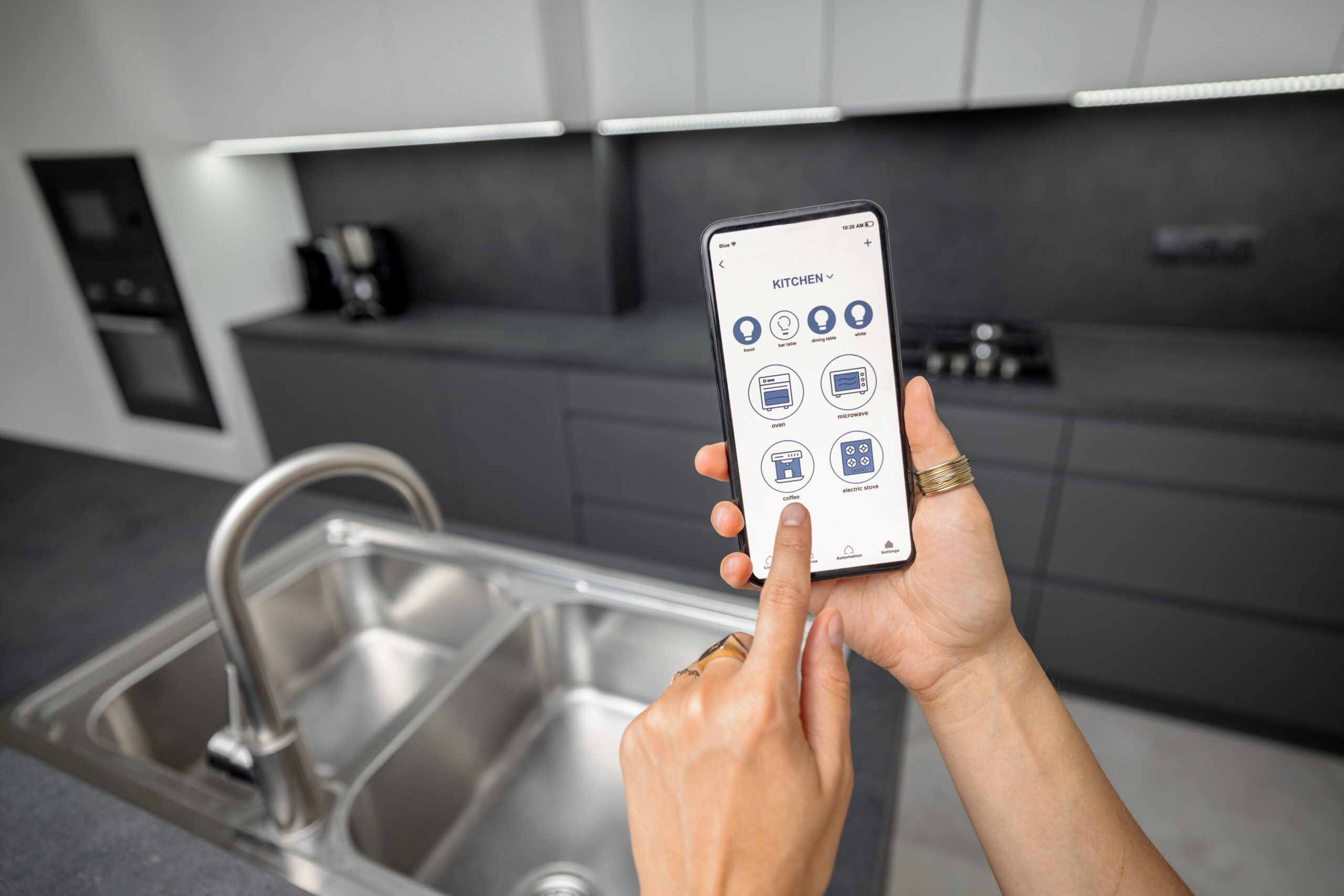
Smart Lighting: Motion-activated lights in common areas, automated exterior lighting, and app-controlled or scheduled indoor lighting are popular for both convenience and energy savings.
Air Quality Monitoring: With Kathmandu’s air pollution being a growing concern, smart air quality monitors with linked air purifiers are attracting strong interest in the premium segment.
Top Smart Home Projects in Nepal
Several of Kathmandu’s newer residential developments are incorporating smart features as standard. Properties in Bhaisepati, Kapan, and the Tokha corridor increasingly offer smart power backup and security systems as part of their amenity package. The premium projects in Sanepa and Jhamsikhel have led the market, but smart features are now appearing in projects targeting the NPR 1–2 crore segment.
Does Smart Tech Add Property Value?
The honest answer: yes, selectively. Smart features that solve real Nepal-specific problems (power, water, security) add measurable value—buyers will pay a 5–10% premium for a well-executed smart power and security system. Novelty features (smart refrigerators, automated curtains) add minimal value in Nepal’s current market. The rule of thumb: smart technology that solves a problem adds value; smart technology added for its own sake does not.
Budget Range for Smart Home Setup
A practical smart home setup for a Kathmandu apartment can be achieved at different investment levels:
- Basic (NPR 1–3 lakh): Smart inverter, 2–3 CCTV cameras, video doorbell, smart water pump controller
- Mid-range (NPR 3–8 lakh): Above plus automated lighting, air quality monitor, smart locks, expanded solar integration
- Premium (NPR 8 lakh+): Fully integrated smart home system with central hub, voice control, automated climate control, comprehensive security
Looking for a smart home in Nepal? Search properties on Basobaas and filter by features to find tech-enabled homes in your budget.