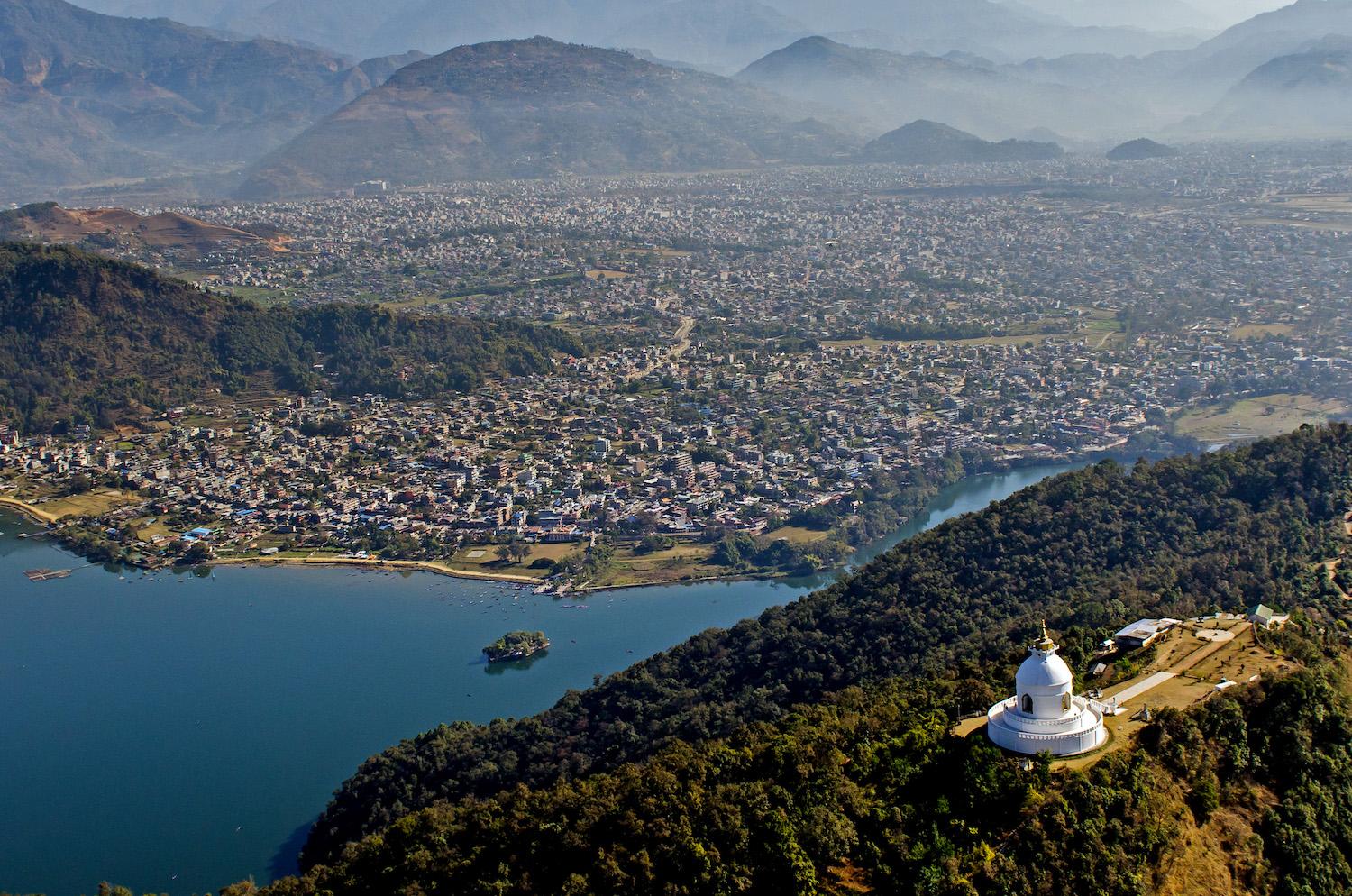
Living in Pokhara: Real Estate, Costs & Lifestyle Guide 2026
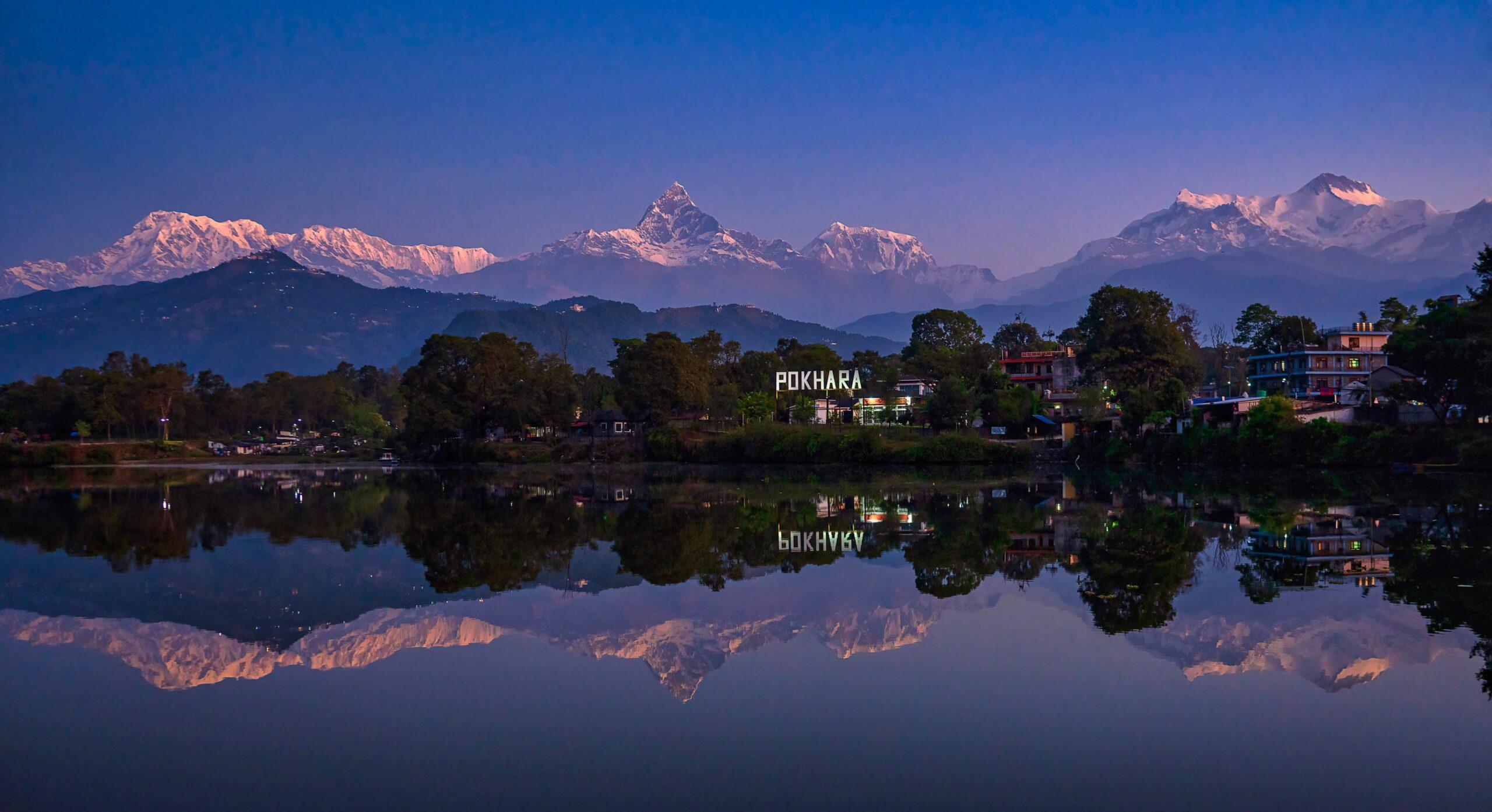
Pokhara has always been Nepal’s most beloved city—a place where the Himalayas meet the lake, where the pace is slower, the air is cleaner, and the quality of life genuinely different from the Valley’s urban intensity. But in 2026, Pokhara is no longer just a tourist destination and a retirement dream. It has become a serious, fast-moving real estate market driven by the Pokhara International Airport, growing domestic migration, expanding educational institutions, and Nepal’s tourism boom. Here is everything you need to know about living in and investing in Pokhara today.
Why Pokhara is Growing
Several forces are accelerating Pokhara’s growth in 2026. The Pokhara International Airport—now operational—has connected the city directly to international destinations, transforming it from a domestic gateway to a global one. Tourism is booming, bringing hospitality investment and service sector jobs. Nepal’s government has designated Pokhara as a special economic zone of sorts, with infrastructure investment following. And a growing number of Kathmandu residents—tired of Valley traffic and pollution—are making the 200km move west.
Property Prices in Pokhara 2026
Lakeside area: NPR 5–15 crore per ropani for land; limited supply, primarily held for hospitality use.
Bagar and central Pokhara: NPR 3–8 crore per ropani for commercial/residential land.
Hemja, Lekhnath, Pokhara-11 to 15: NPR 1–4 crore per ropani—the most accessible entry points for residential buyers.
Apartments: 2-bedroom flats in Pokhara range from NPR 50 lakh to NPR 1.2 crore depending on location and quality.
Rental: NPR 15,000–40,000/month for furnished 2BHK depending on area and proximity to Lakeside.
Best Areas to Live in Pokhara
Lakeside (Baidam): The tourist heart—best for hospitality investment and short-term rental income. Not ideal for quiet family living but great for commercial property.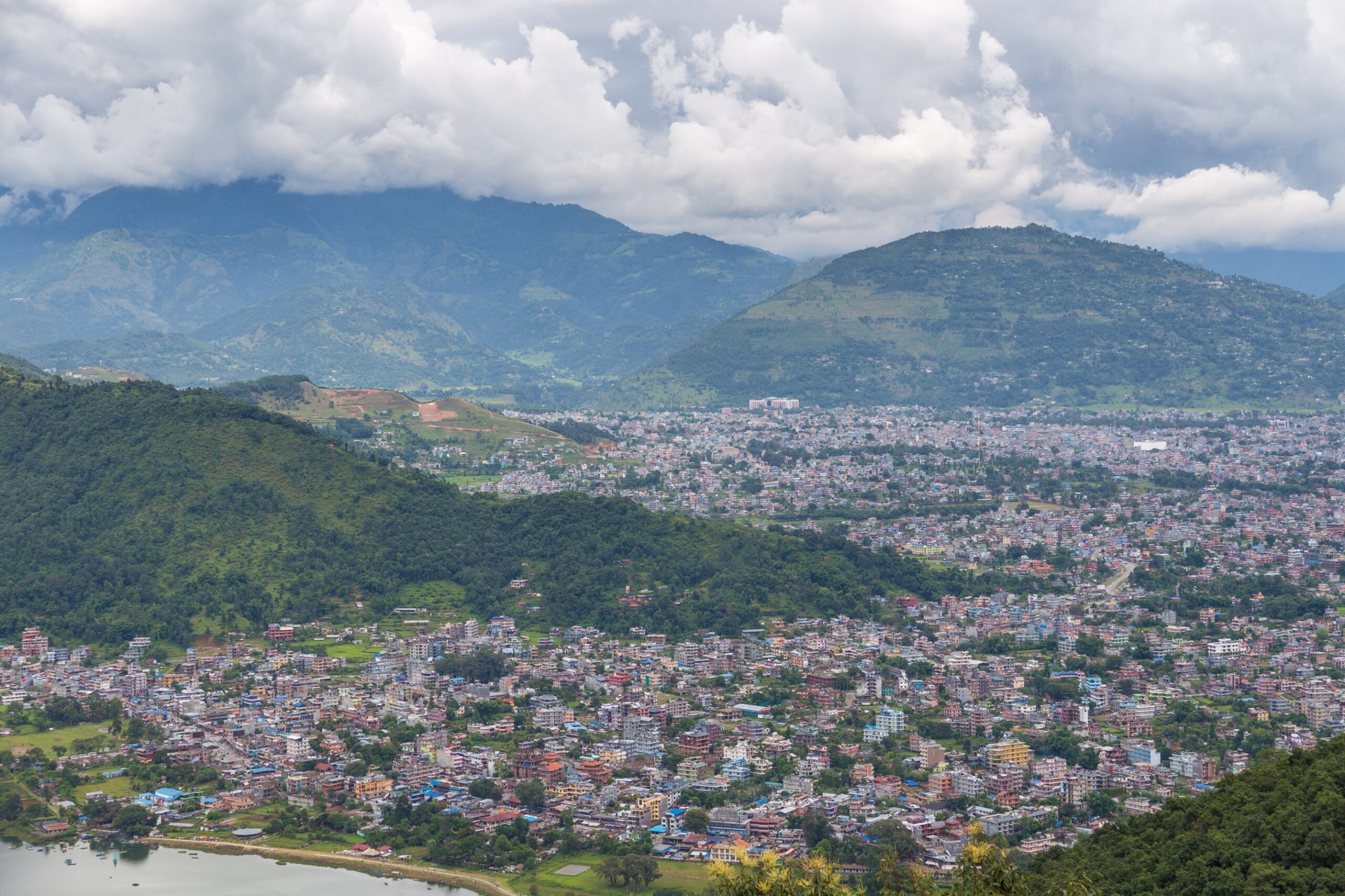
Bagar: Pokhara’s main commercial district. Good connectivity, services, and business access. Popular with professionals.
Hemja corridor: Emerging residential area with newer developments, good road access to both Lakeside and central Pokhara. Best value for residential buyers.
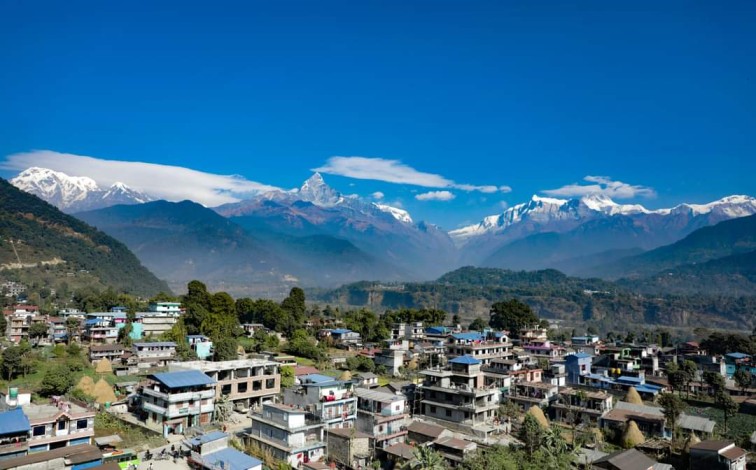
Lekhnath area: Growing eastern zone with more open space, newer schools, and strong appreciation potential as infrastructure extends.
Sarangkot and hillside areas: For those seeking panoramic Himalayan views. Higher land prices, but unparalleled scenery and premium short-term rental potential.
Cost of Living in Pokhara vs. Kathmandu
Pokhara offers a meaningfully lower cost of living than Kathmandu in most categories. Rental costs are 30–40% lower than equivalent properties in Kathmandu’s mid-market. Food (both home cooking and dining out) is cheaper. Traffic is dramatically lighter, saving commute time and fuel costs. The trade-off is a smaller job market—Pokhara’s economy is heavily tourism-dependent, with limited corporate sector employment compared to the capital.
Schools & Healthcare in Pokhara
Pokhara’s educational infrastructure has improved significantly. Several established private schools offer good Nepali-medium and English-medium education. However, the range of international schools is more limited than Kathmandu—a consideration for families with specific educational needs. Healthcare is served by Manipal Teaching Hospital and several established clinics, though for highly specialised treatment, Kathmandu remains the reference point.
Investment Potential: Why NRNs and Investors are Watching Pokhara
Pokhara’s investment case in 2026 is compelling: airport-driven demand growth, tourism recovery bringing hospitality returns, lower entry prices than Kathmandu, and strong capital appreciation in well-located areas. Short-term rental yields (Airbnb-style) in Lakeside-adjacent areas are generating 8–12% annual returns for well-managed properties—significantly above the Kathmandu residential average of 3–5%.
Interested in Pokhara property? Browse listings on Basobaas and connect with our Pokhara-area experts.
Latest Posts
Fresh reads from Basobaas