Interior Design Trends Transforming Nepali Homes in 2026
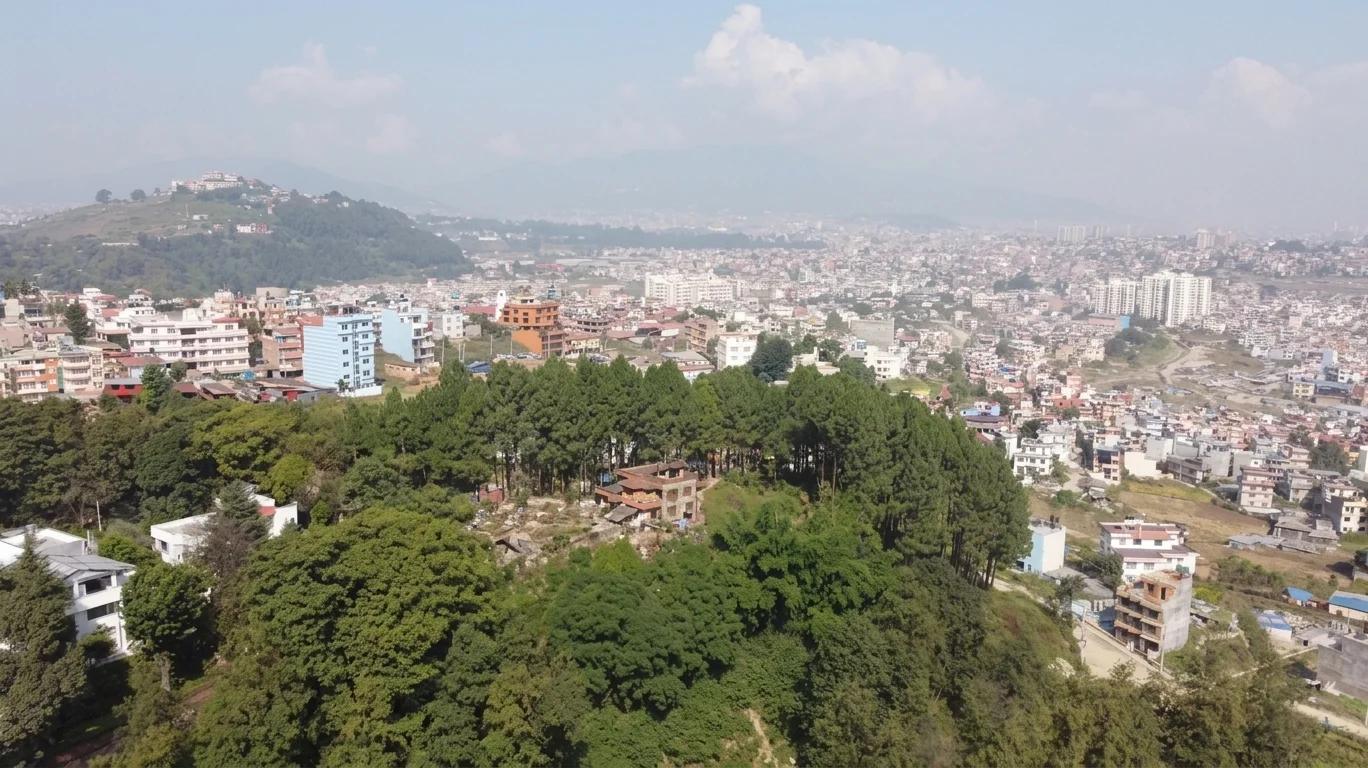
Nepal’s interior design scene has undergone a quiet revolution over the past five years. Once dominated by conservative styles imported from India and a default reliance on ornate wooden furniture, Nepali home interiors in 2026 are being reimagined by a new generation of architects, designers, and homeowners who are blending global design intelligence with Nepal’s extraordinary local materials, craftsmanship traditions, and cultural sensibility. Whether you are furnishing a new apartment in Kapan or redesigning a heritage home in Patan, here are the trends defining Nepali interiors this year.
Why Design is Booming in Nepal
Several forces are converging to drive Nepal’s interior design boom. A growing middle class is investing in home quality. Urbanisation is pushing apartment living, where smart use of limited space becomes critical. Instagram and Pinterest have raised aspirational standards. And a new wave of Nepali designers trained abroad are bringing world-class skills back home. The result is a market where quality, originality, and personalisation are valued more than ever before.
Trend 1: Biophilic Interiors
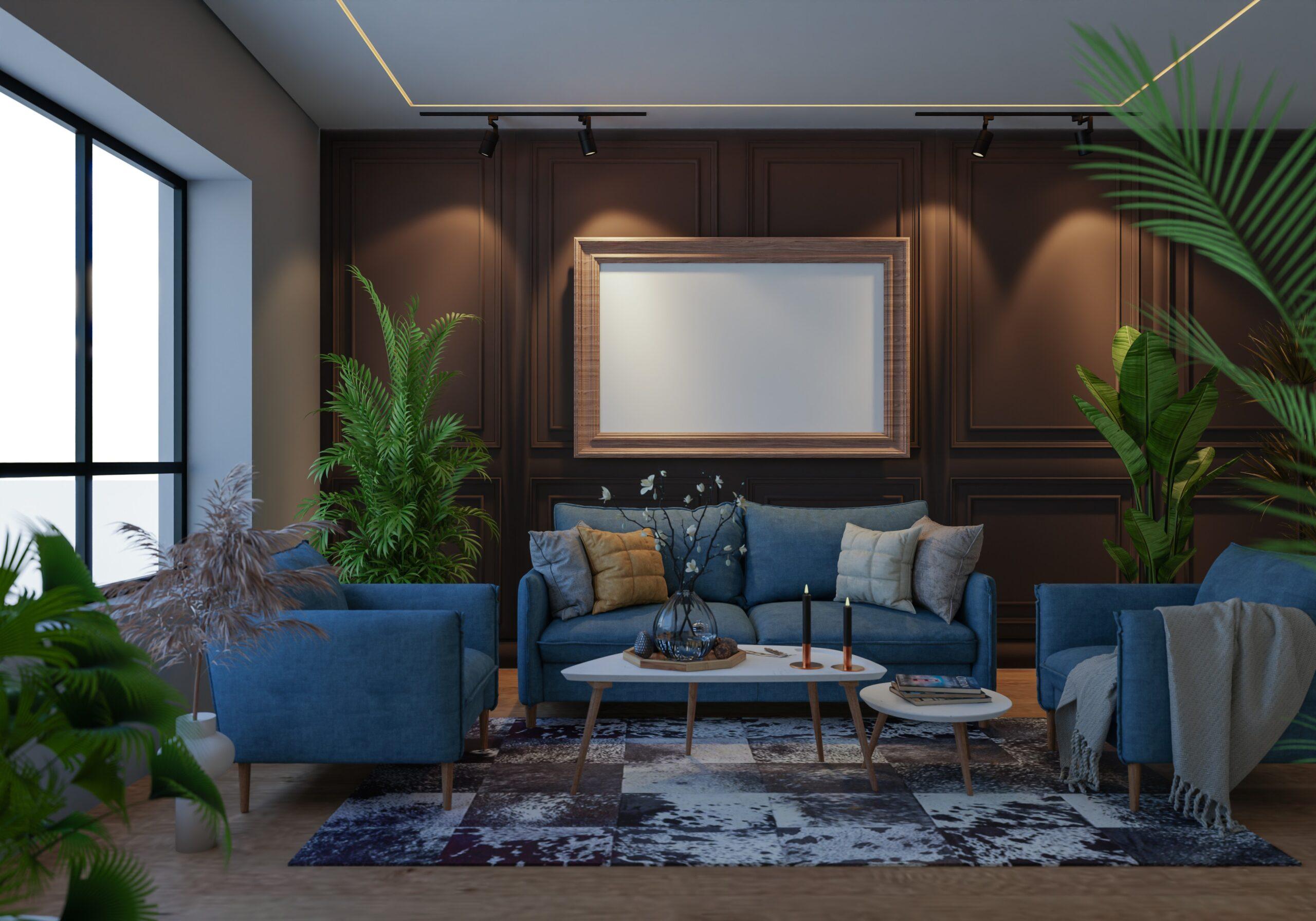
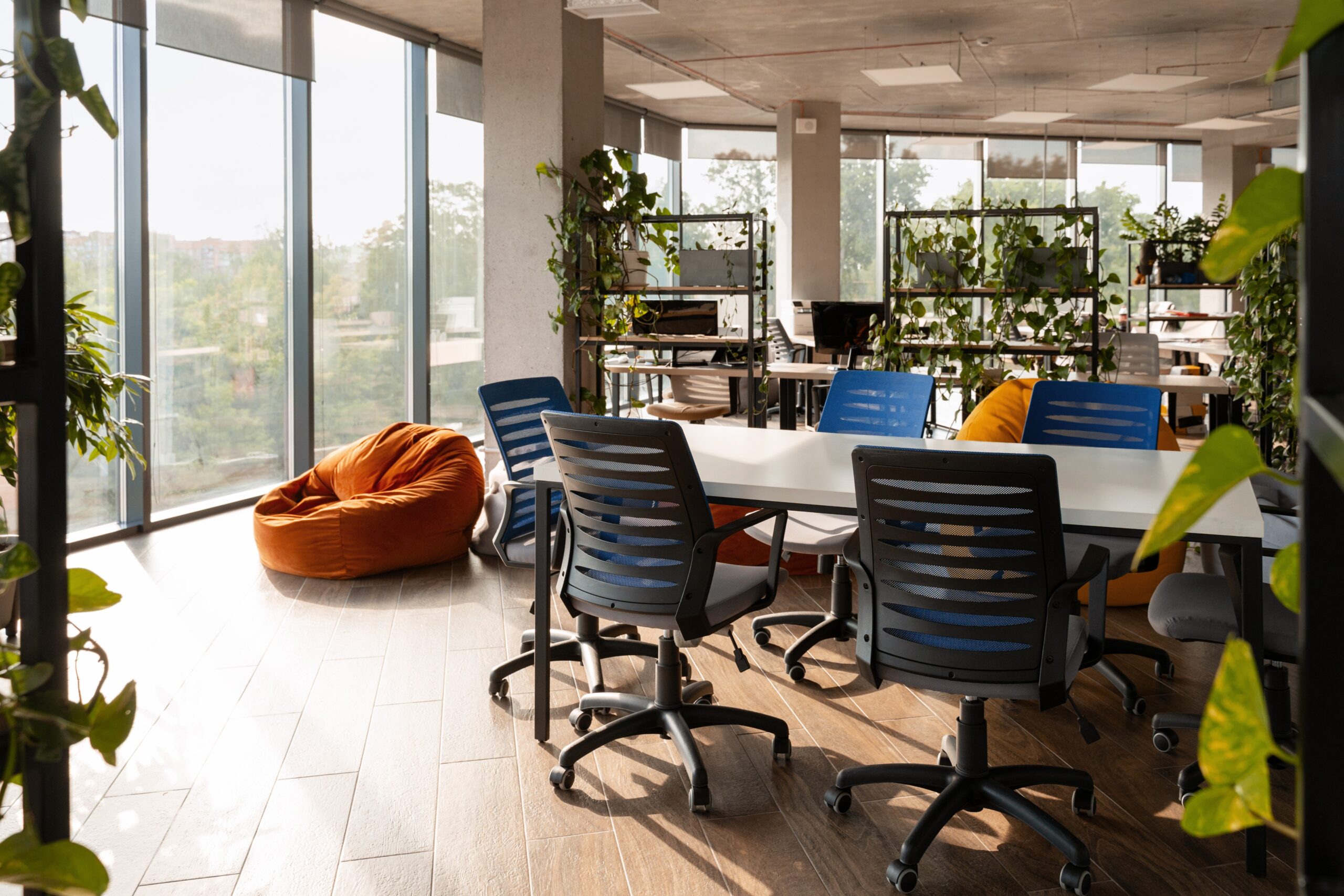
Biophilic design—bringing nature inside—is the dominant trend in Kathmandu’s upscale interiors in 2026. Living walls, indoor plants integrated into shelving and room dividers, large windows framing green views, and natural light maximisation are hallmarks of this approach. Nepal’s climate is ideal for indoor plants that struggle in harsher environments, making biophilic design both practical and achievable. Expect stone-clad feature walls, terracotta planters, and rattan furniture to remain strong.
Trend 2: Open-Plan Living & Multi-Function Spaces
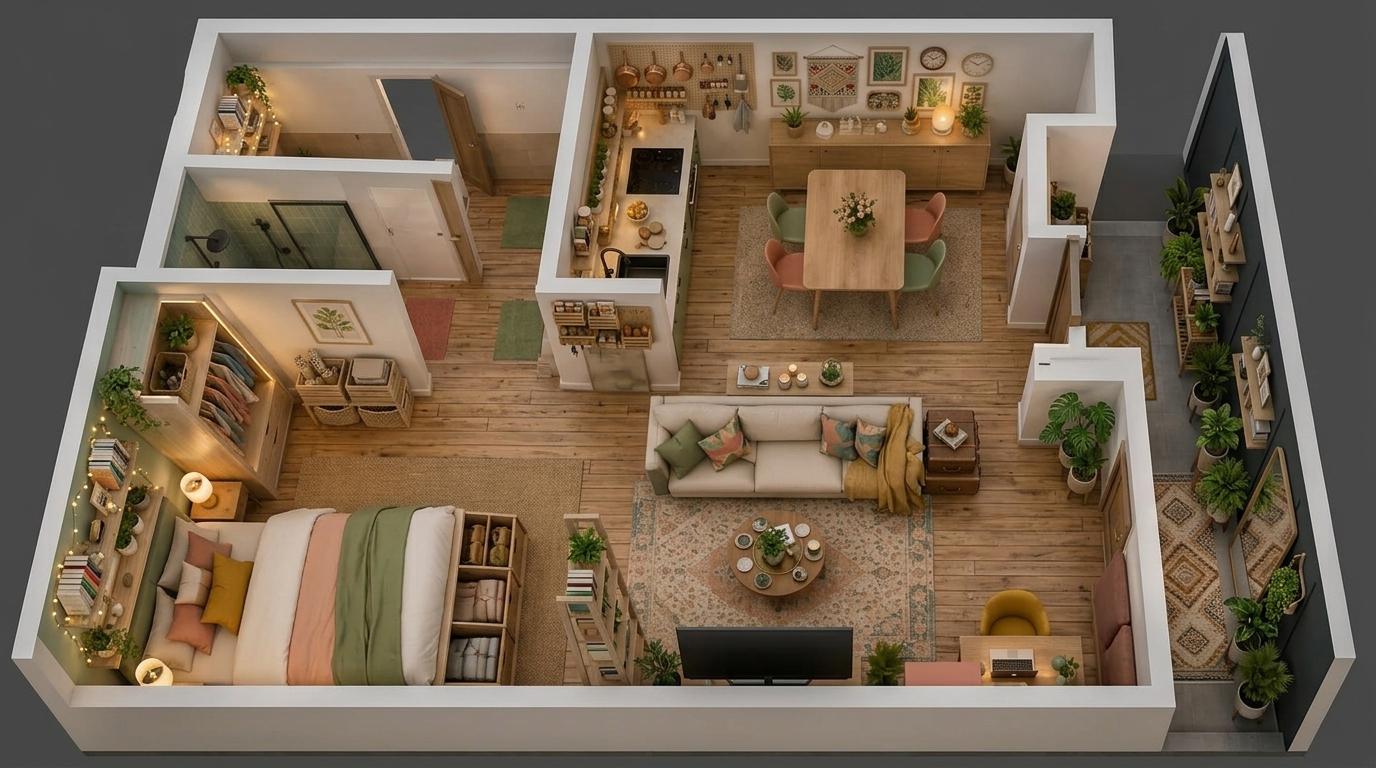
As apartment sizes stabilise or shrink in Kathmandu’s dense urban market, open-plan layouts that combine living, dining, and kitchen spaces are becoming standard in new builds. Designers are solving the challenge of making compact spaces feel expansive through careful furniture selection, built-in storage, and visual tricks like continuous flooring and high-contrast accent walls. The home office corner—now a permanent fixture in the post-pandemic household—has also been fully integrated into open-plan design thinking. 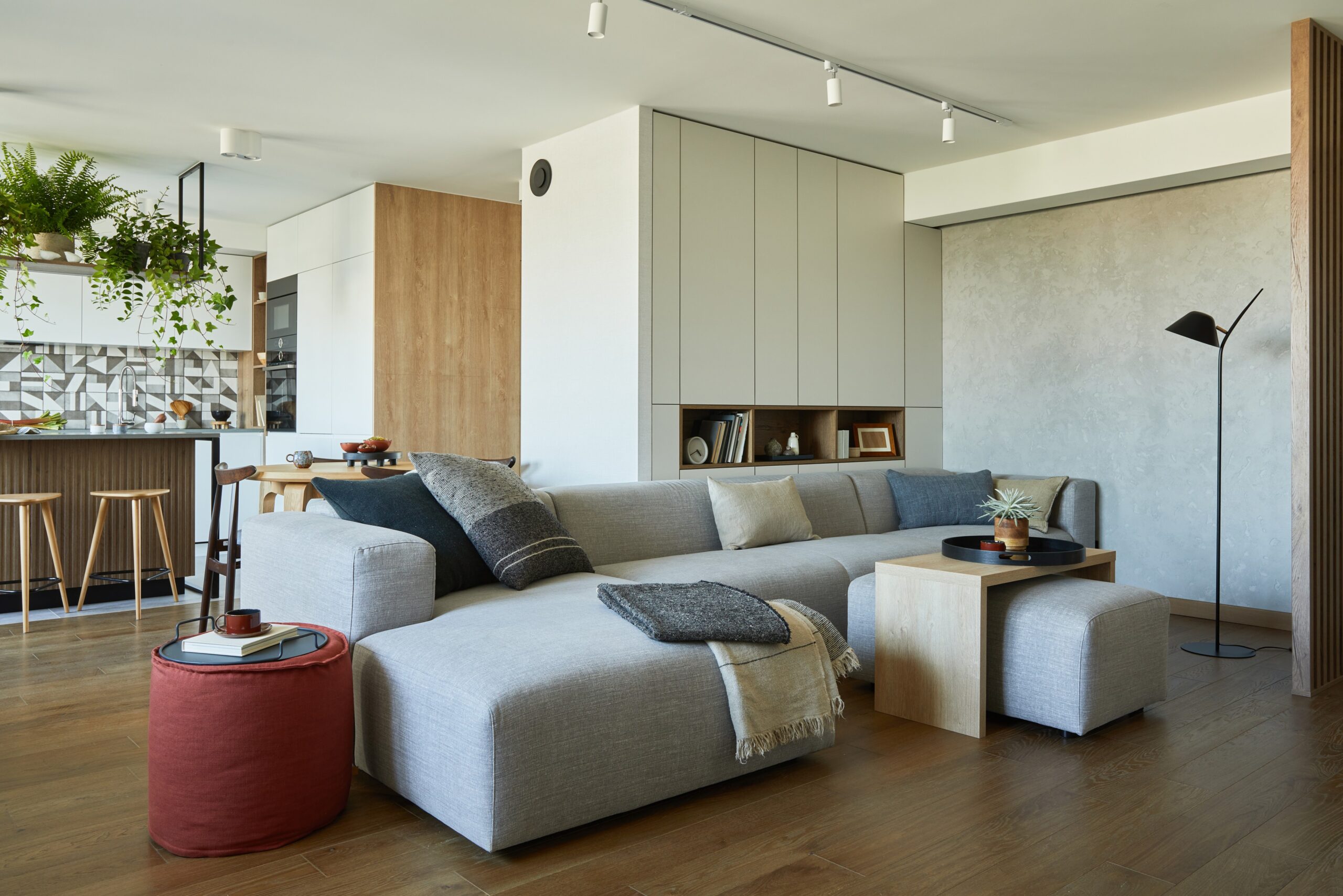
Trend 3: Smart Home Technology Integration
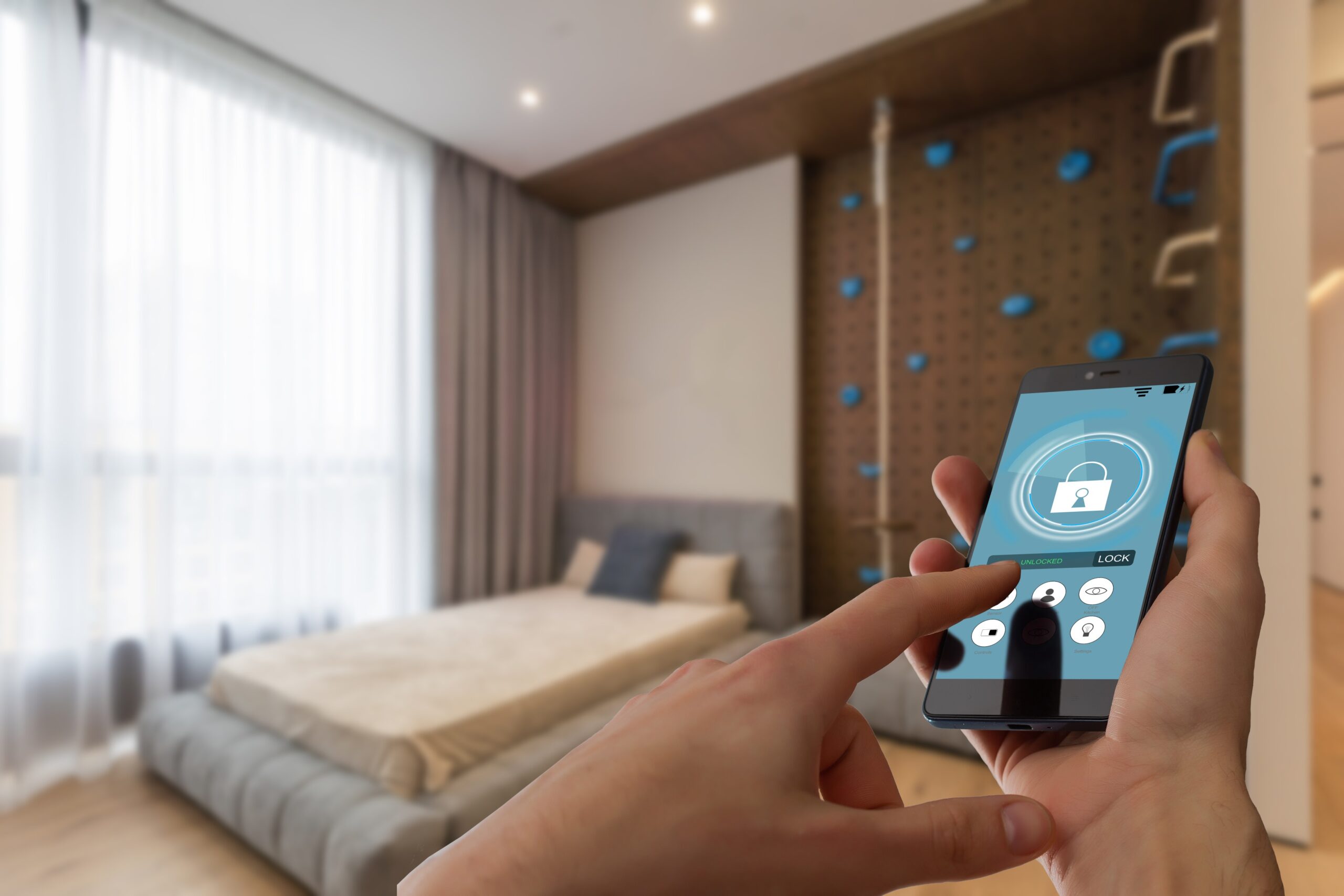
Smart home features are moving from luxury to expectation in Nepal’s premium residential segment. Automated lighting, app-controlled security cameras, smart inverters for solar power management, and voice-controlled entertainment systems are increasingly standard in new Kathmandu apartments above NPR 1.5 crore. Even mid-range homes are adopting smart power backup systems and automated water pump controls—necessities given Nepal’s infrastructure realities.
Trend 4: Revival of Local Materials and Craftsmanship
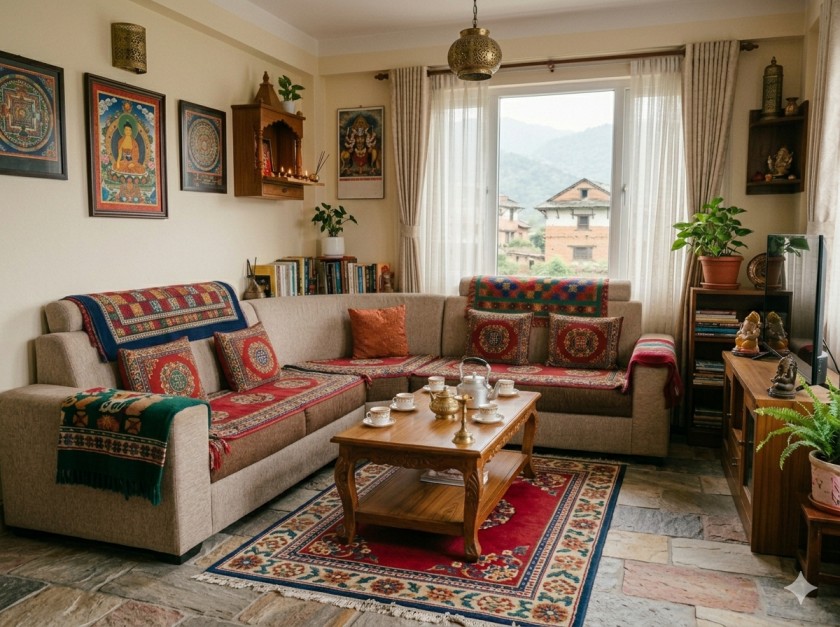
Perhaps the most exciting trend in Nepal’s design scene is the rediscovery of traditional materials and local craftsmanship. Handmade Dhaka fabric cushions, Patan metalwork light fixtures, Thangka-inspired wall art, hand-carved Newari wooden screens as room dividers, and stone floors sourced from Mustang and Palpa are all appearing in the portfolios of Nepal’s leading designers. This is not just aesthetic nationalism—locally sourced materials often outperform imported alternatives in Nepal’s climate and are increasingly preferred by environmentally conscious clients.
Trend 5: Calm, Restrained Colour Palettes
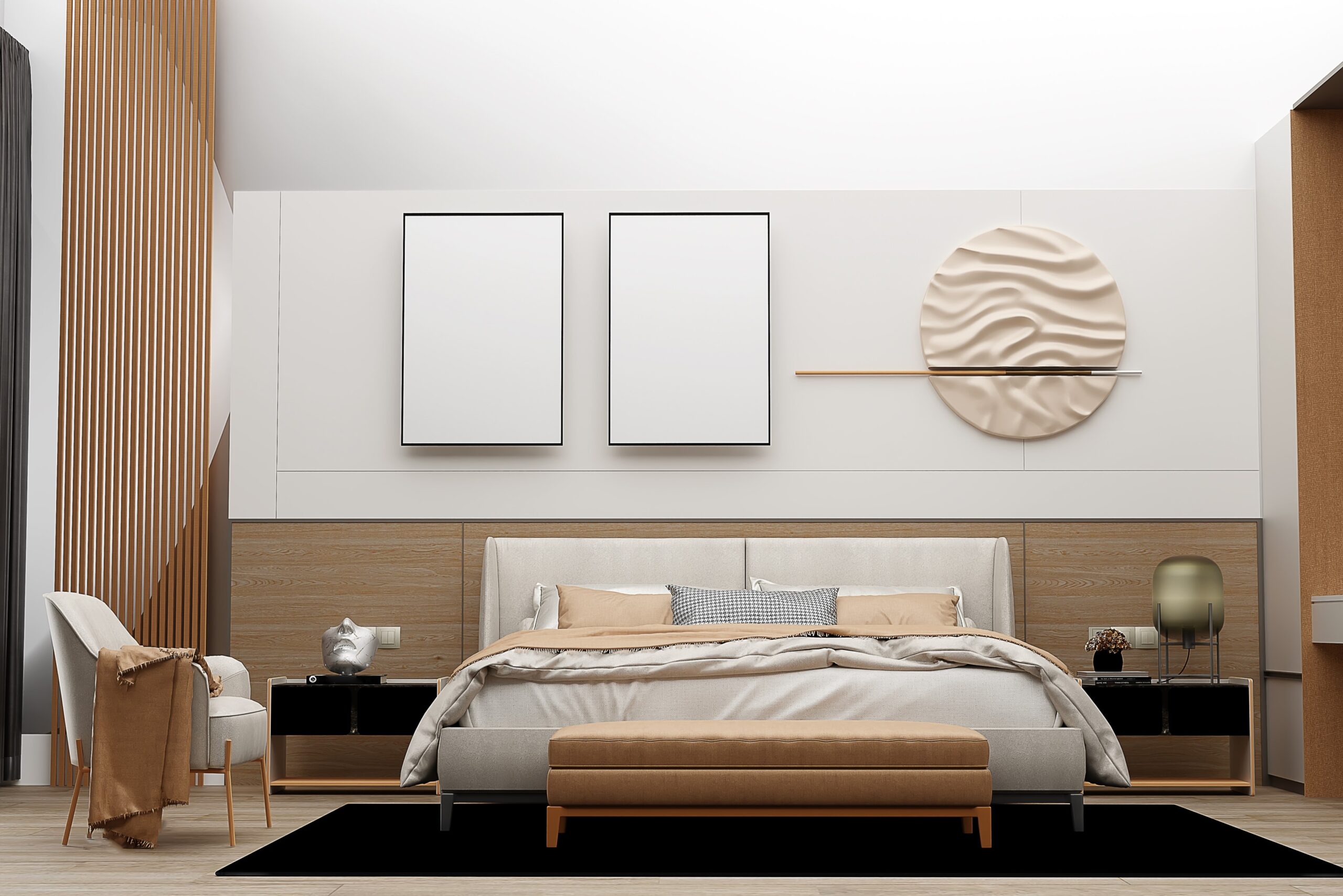
Gone are the days of bold, saturated colour schemes as a default. Nepal’s design leaders in 2026 are favouring calm, restrained palettes—warm whites, terracotta, sage green, dusty blush, and charcoal—that create a sense of tranquillity and allow furniture and art to take centre stage. Accent colours are used sparingly and deliberately, often drawing from Nepal’s natural landscape: the blue of Phewa Lake, the rust of terracotta temples, the green of the hills.
How to Get the Look
You do not need a limitless budget to incorporate these trends. Start with: a coat of warm white paint, replacing synthetic cushion covers with handmade Dhaka fabric versions, introducing 3–5 indoor plants, and decluttering ruthlessly. A single well-chosen piece of locally-made art or a hand-carved wooden element can transform a generic apartment into something that feels distinctly and beautifully Nepali.
Want to transform your home? Explore Basobaas Interior Design Services—our team of experienced designers is ready to bring your vision to life.
Latest Posts
Fresh reads from Basobaas