Buying a house in Nepal is one of the most significant financial decisions you will ever make. The process involves multiple government agencies, legal documentation in Nepali, and a property market that operates quite differently from what many first-time buyers expect. This comprehensive guide—written from 15+ years of real estate experience in Nepal—walks you through every step from setting your budget to collecting your keys, so you can buy with confidence and avoid costly mistakes.
Step 1: Set a Realistic Budget
Before you look at a single listing, get crystal clear on your numbers. Your total budget must account for: the property purchase price, land registration fees (typically 4–6% of the property value), government taxes, legal/notary fees, broker commission (usually 1–2%), renovation costs if applicable, and an emergency reserve of at least 5% of the purchase price.
If you are taking a home loan, speak to your bank before you start searching. Get a pre-approval letter so you know exactly how much you can borrow. Most Nepali banks offer up to 60–70% loan-to-value on residential properties, meaning you need 30–40% as a down payment.

Step 2: Choose the Right Location
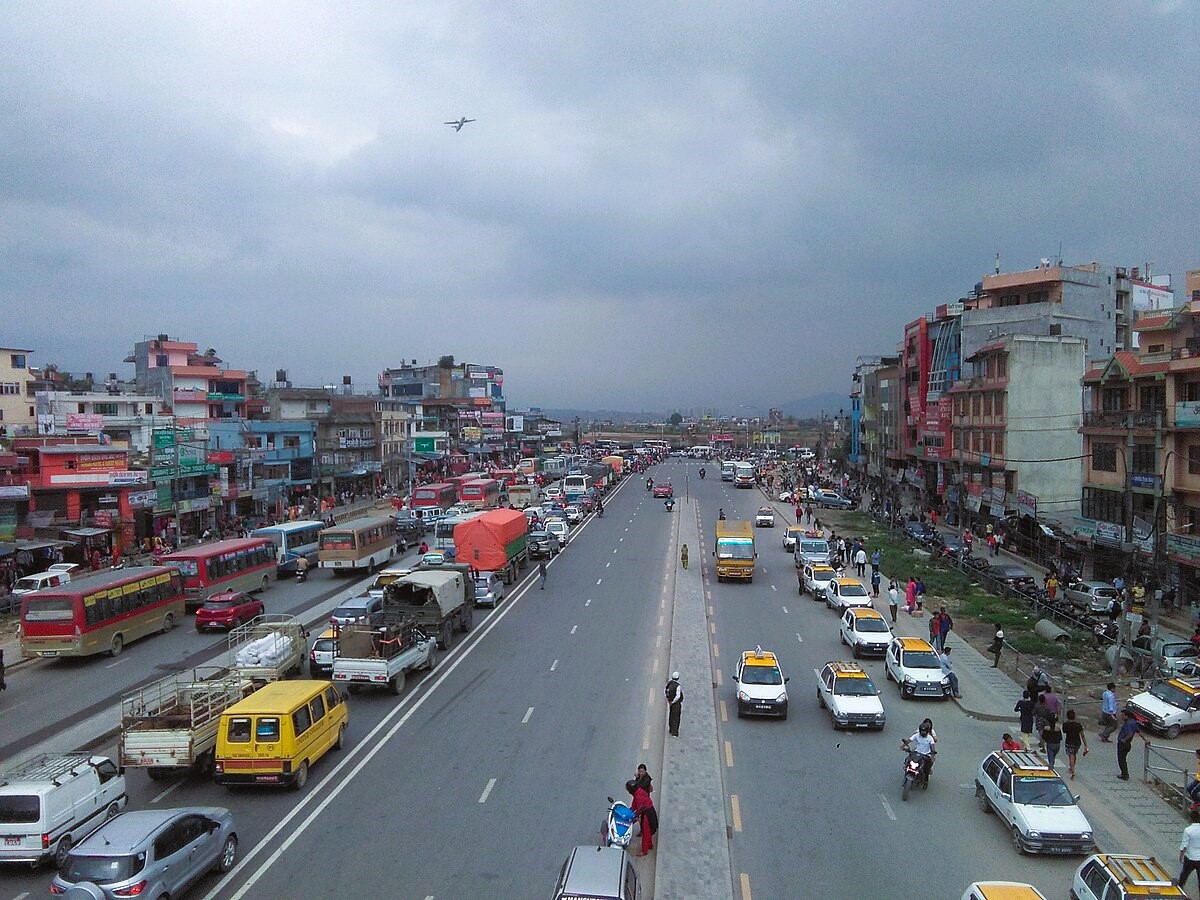
Location is the single most important factor in a property’s long-term value. Consider: your daily commute, proximity to schools if you have children, water supply reliability (a critical issue in parts of Kathmandu), road access and future development plans, neighbourhood safety, and the area’s historical price appreciation. Our neighbourhood guide covers Kathmandu’s top areas in detail.
Step 3: Find the Right Property
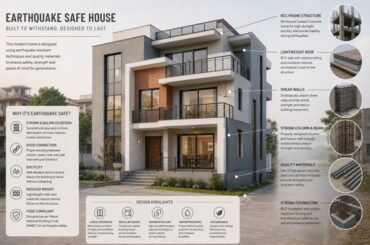
Use a platform like Basobaas to search thousands of verified listings. Filter by location, property type, price range, and number of bedrooms. When shortlisting, prioritise properties that have: a valid occupancy certificate, earthquake-compliant construction, clear road access, and legal ownership documentation. Always visit the property in person—photographs can be misleading.
Step 4: Legal Due Diligence
This is the step most buyers rush, and it is the one where most disasters happen. Before agreeing on a price, verify:
- Lalpurja (Title Deed): Confirm the seller’s name matches the title deed. Run an encumbrance search at the Land Revenue Office to confirm no loans or liens are registered against the property.
- Land Parcel Map (Napi Naksha): Verify boundaries match what is being sold.
- Zone and Land Use: Check with the municipality that the land is zoned for your intended use (residential, commercial, etc.).
- Tax Clearance: Ensure all property taxes are paid up to date.
- Building Completion Certificate: For houses and flats, confirm the building has a valid occupancy certificate from the municipality.
We strongly recommend hiring a lawyer for this step. The cost is small relative to the protection it provides.

Step 5: Negotiate and Sign the Agreement
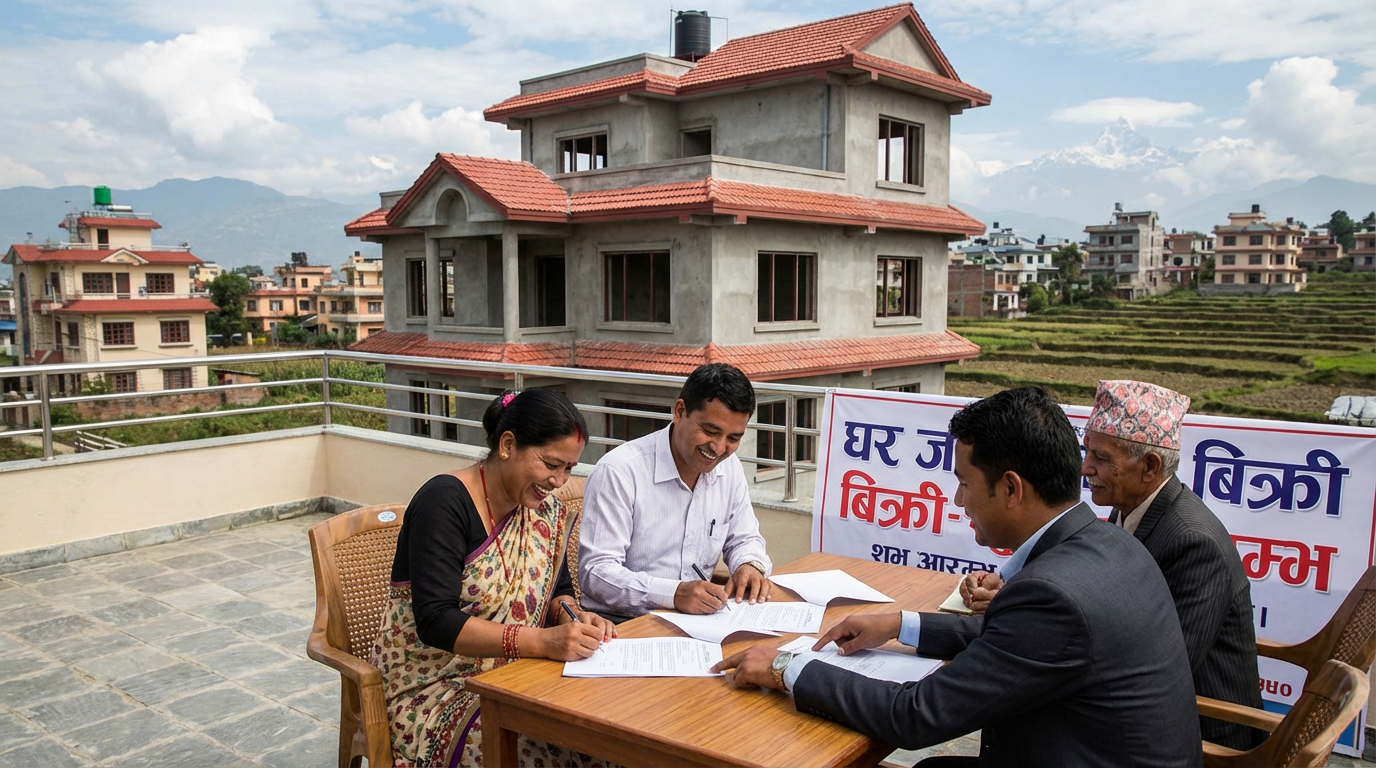
Once due diligence is complete, negotiate the price. In Nepal’s current market, most sellers have some flexibility—typically 5–10% below the asking price is achievable. Once agreed, sign a preliminary sale agreement (Bainapatra) with a 10–25% deposit. This agreement is legally binding and should specify the full price, payment schedule, and a timeline for completing the transfer.
Step 6: Property Registration
The final transfer of ownership happens at the District Land Revenue Office (Malpot Karyalaya). Both buyer and seller must be present. You will need: original title deed, identity documents, tax clearance certificates, citizenship documents, and the agreed payment. The registration fee is calculated as a percentage of the property’s government-assessed value. Once registered, the Lalpurja will be reissued in your name—you are now the legal owner.
Common Mistakes First-Time Buyers Make
- Skipping the encumbrance search and discovering a loan registered against the property after purchase
- Trusting verbal agreements without a written Bainapatra
- Not verifying that the seller has the legal right to sell (especially in joint family property situations)
- Ignoring water supply and road access issues during the dry season
- Underestimating total costs and running out of cash before registration
Frequently Asked Questions
Can foreigners buy property in Nepal?
No. Nepal law currently restricts foreigners from owning land. However, Non-Resident Nepali (NRN) citizens have special provisions to invest in property.
How long does the buying process take in Nepal?
From agreeing on a price to completing registration, the process typically takes 4–8 weeks, assuming all documentation is in order.
Do I need a real estate agent?
It is not mandatory, but working with a registered agent or a platform like Basobaas significantly reduces risk and saves time finding verified properties.
Start your property search today: Browse properties for sale in Nepal.