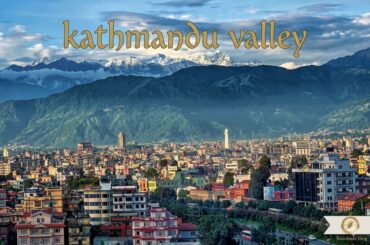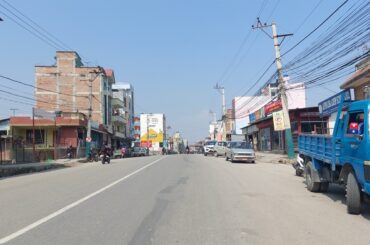
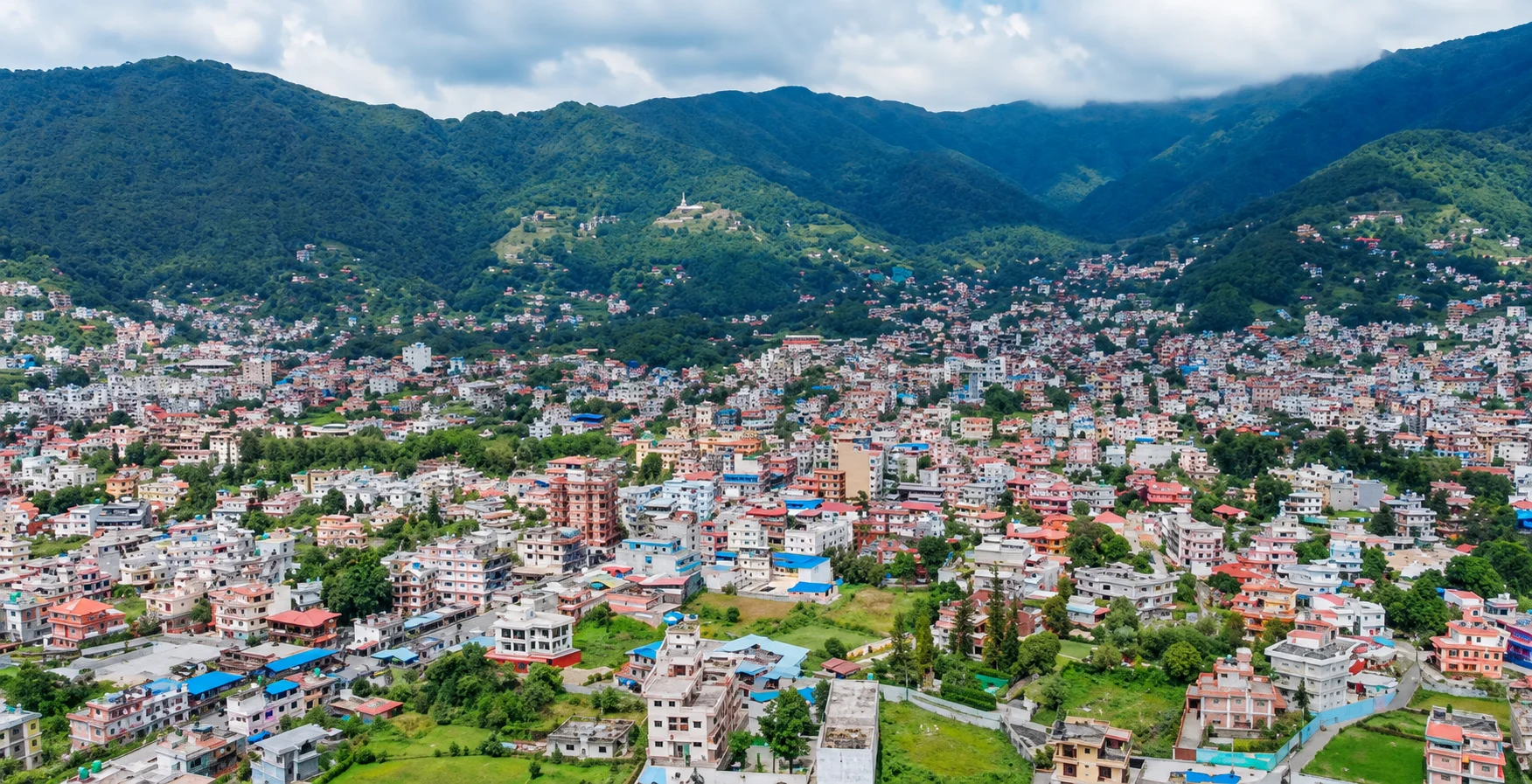
Thinking about living in Budhanilkantha? Here is the short version. It is one of the greenest and calmest places to live in the Kathmandu Valley, sitting at the foot of the Shivapuri hills in the far north of the city. You get cooler air, forest close by, and a slower pace, while still being about 8 to 10 kilometers from central Kathmandu.
The trade-off is price and commute. Land here is not cheap, and driving into the city core at rush hour takes time. But for families, retirees, and people who want a quieter home with room to breathe, Budhanilkantha is hard to beat.
This guide walks through prices, rents, schools, air, connectivity, and who the area actually suits. All figures are as of 2026. Property rates move fast in Nepal, so treat every number as a starting point, not a fixed rule.
Is Budhanilkantha a good place to live?
Yes, if you value quiet, greenery, and cleaner air over being in the middle of the action. Budhanilkantha works best for families who want space and good schools, for people building their own home, and for anyone who can work from home or does not need to be downtown every day.
It is less ideal if you need a short daily commute to Putalisadak, New Road, or Thamel, or if you want cheap rent. Land prices in the main pockets run roughly NPR 25 lakh to 50 lakh per aana, and premium plots with wide pitched roads and mountain views go higher.
Where is Budhanilkantha and what is it like?

Budhanilkantha is a municipality in the north of Kathmandu district, in Bagmati Province. It sits right at the base of Shivapuri hill and marks the entrance to Shivapuri Nagarjun National Park. That location is the whole story of the place. You are close to forest, the air is fresher than in the valley floor, and the temperature runs a little cooler than Kathmandu’s core.
It is the third largest city in the Kathmandu Valley after Kathmandu and Lalitpur. As per the 2021 Nepal census, the population was 179,688 across 26,678 household. The municipality was formed in 2014 by merging older village units, including Chunikhel, Kapan, Chapali Bhadrakali, Mahankal, and Hattigauda. Locals still use those old names for specific pockets, so you will hear “Chunikhel” or “Kapan” more often than “Budhanilkantha ward 5” in daily talk.
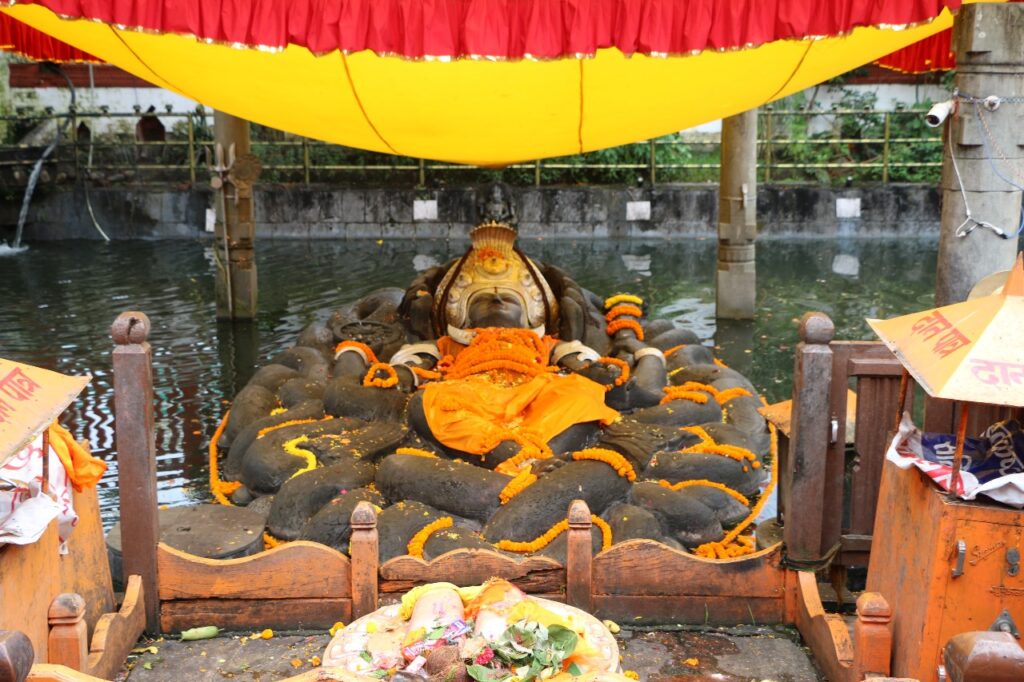
The area is named after the Budhanilkantha Temple, home to the famous reclining statue of Lord Vishnu, often called the Sleeping Vishnu. The statue is carved from a single block of black basalt and lies in a recessed water tank. It draws thousands of pilgrims each year, especially during Haribodhini Ekadashi in the Hindu month of Kartik. If you live here, the temple and its surrounding lanes become part of your everyday backdrop.
How much does land cost in Budhanilkantha?
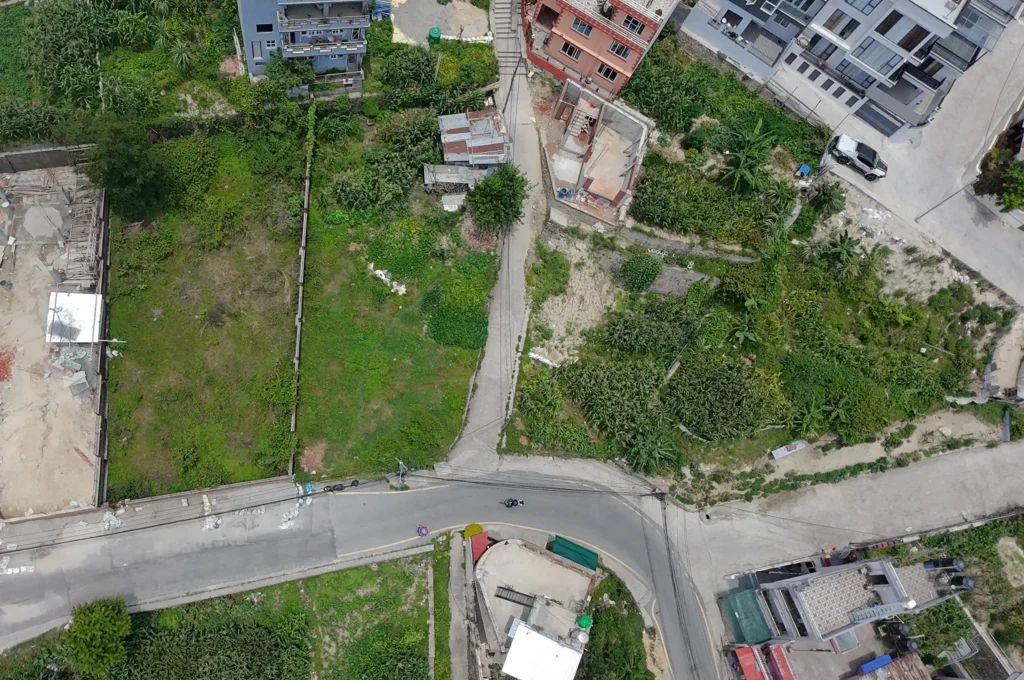
Land is the main way people buy into this area, since much of the housing is built by owners rather than developers. Prices depend heavily on road access, plot orientation, slope, and view.
Based on current listings across Nepali property portals in 2026, land in the popular Budhanilkantha pockets ranges roughly from NPR 25 lakh to 50 lakh per aana. Some examples from recent listings:
- Pasikot, Budhanilkantha: around NPR 39 lakh per aana
- Hattigauda, Budhanilkantha: around NPR 50 lakh per aana
- Chunikhel and nearby areas: around NPR 40 lakh per aana
Premium plots go well above this. Listings on wide pitched roads with strong Himalayan views can cross NPR 1 crore per aana. On the other side, plots on narrow dirt roads or steep slopes sell for much less. The Kapan corridor is a good example. Many people treat it as part of greater Budhanilkantha. Rates there have been quoted from roughly NPR 35 lakh to 85 lakh per aana, depending on the exact spot.
A few things drive price here more than in flatter parts of the city:
- Road width and surface. A plot on a pitched (blacktopped) road 20 feet or wider commands a big premium over one on a narrow gravel lane.
- Slope. This is hilly terrain. Flat, buildable land is worth more than a steep plot that needs retaining walls.
- View. A clear line to the mountains can add real value.
- Access to the temple area and main road. Being close to the Narayanthan or temple junction, without being stuck in its traffic, is a sweet spot buyers pay for.
If land units like aana and ropani are new to you, our Nepal land unit converter breaks down the conversions with quick tables.
What about house prices and rents?
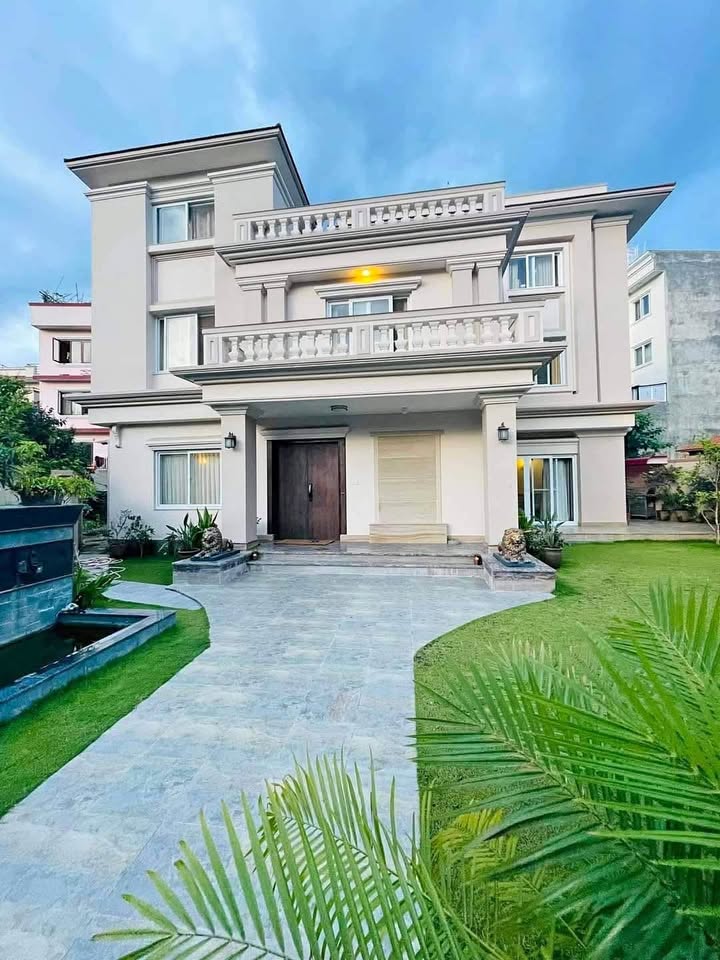
Ready-built houses in Budhanilkantha cover a wide band. A modest two- or three-story home on a small plot in an inner lane is very different from a bungalow on a wide road with a garden and mountain view. Because so much housing is owner-built, the finish quality and plot size vary a lot, and so do the asking prices. Always price a house by breaking it into land value plus construction value, then compare against nearby plots.
Rent is often the easier way to test the area before you buy. Look at 2025 to 2026 listings and a pattern shows up. Two-bedroom (2 BHK) flats in Budhanilkantha run from about NPR 15,000 per month for a basic non-furnished unit to around NPR 55,000 per month for a fully furnished flat with parking. Where you land in that range depends on furnishing, road access, water supply, and how new the building is.
For a sense of what is on the market right now, you can browse current Budhanilkantha listings on Basobaas.
Is the air quality better in Budhanilkantha?
This is one of the main reasons people move here, so it is worth being honest about it. Budhanilkantha usually has cleaner air than the dense valley core, thanks to the forest cover, higher elevation, and open green space around Shivapuri.
But “cleaner than central Kathmandu” is not the same as “clean.” The whole Kathmandu Valley struggles with air pollution, especially in the dry winter months from roughly November to February, when readings often reach unhealthy levels for sensitive groups. During those months, children, older adults, and people with lung conditions still need to watch outdoor activity here, just as they do across the valley.
The upside is real, though. In the monsoon and post-monsoon months, the air near the hills clears up nicely, and mornings can be crisp and green in a way that is hard to find closer to the city center. If air matters to you, plan a house with good ventilation and consider an air purifier for the winter weeks.
Schools and education
Budhanilkantha is well known for education. The area shares its name with Budhanilkantha School, one of the most respected schools in Nepal. It is a coeducational residential school running classes from grade five to twelve, taught in English, and it sits near Shivapuri National Park in a clean, cool setting. Its entrance exams are held across all 77 districts, and a share of grade five students receive need-based scholarships.
Beyond that one school, the broader north Kathmandu belt has a solid mix of private schools and colleges within reach, and the Kapan and Chapali areas add more options. For families, this cluster of schools is a big part of the area’s appeal. It is a common reason parents pick this side of the city.
Getting around: connectivity and commute
Here is the honest part. Budhanilkantha is on the northern edge of the valley, so nothing downtown is truly close by road. The temple sits about 8 to 10 kilometers from the center of Kathmandu. On a quiet day that drive is manageable. In rush hour, the single main road that funnels traffic toward the city can slow to a crawl.
A few practical notes:
- Private vehicle is the most comfortable option. Most residents rely on a car or scooter.
- Public transport runs from the Budhanilkantha and Narayanthan area toward Ratna Park and other city hubs, but buses and micros get crowded and slow at peak times.
- Ring Road access is the key factor. The closer your home is to a route that feeds smoothly onto the Ring Road, the easier your daily life will be. Ask about this before you commit to a plot.
If you work from home, run a business locally, or have a flexible schedule, the commute is a minor issue. If you must be in the city core by 9 am every day, budget extra time and think carefully about exactly where in Budhanilkantha you settle.
Lifestyle: what daily life feels like
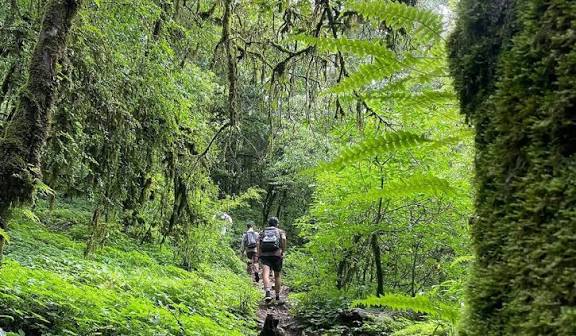
Life in Budhanilkantha is calmer than in Baneshwor or Newroad. Weekends often revolve around the temple, short hikes into Shivapuri, and quiet cafes. The Shivapuri Nagarjun National Park entrance is right here, which means real forest trails are minutes away, not a day trip. For people who like walking, birdwatching, or a Saturday morning hike, that access is a genuine luxury inside a capital city.
Day-to-day shopping, clinics, banks, and eateries are all present, concentrated around the main junctions and the Narayanthan to Chapali stretch. It is not a nightlife or shopping-mall neighborhood. For big retail or hospital visits, people usually head toward Maharajgunj and Chabahil, both reachable in a reasonable drive.
The vibe is residential and family-first. You will find a mix of long-time local families, professionals who wanted a greener home, and some expats and returnees drawn by the schools and the quiet.
Pros and cons of living in Budhanilkantha
Pros
- Cleaner air and cooler temperatures than the valley core, especially outside winter
- Green surroundings and direct access to Shivapuri Nagarjun National Park
- Strong education options, anchored by Budhanilkantha School
- Quiet, family-friendly, low-density feel
- Room for garden space and owner-built homes
Cons
- Land prices are high in the desirable pockets
- Long, sometimes heavy commute to central Kathmandu at peak hours
- Hilly terrain means slope and retaining costs on some plots
- Winter air pollution still affects the whole valley, this area included
- Fewer large malls, hospitals, and nightlife spots nearby
Who is Budhanilkantha best for?
It suits a few clear groups. Families with school-age children get access to well-regarded schools and safe, low-traffic lanes. Remote workers and business owners who do not need a daily downtown commute get quiet and clean air without giving up the city entirely. Retirees and people seeking a peaceful base enjoy the greenery, the temple, and the slower rhythm. And self-builders who want a plot with a view and space for a garden find good options here, as long as they check road access and slope carefully.
It suits fewer people who need cheap rent, a short commute to the city core, or a lively urban scene at their doorstep.
Frequently asked questions
Is Budhanilkantha expensive to live in?
Land is on the higher side, roughly NPR 25 lakh to 50 lakh per aana in popular pockets in 2026, with premium plots going higher. Rent is more flexible, with 2 BHK flats seen from about NPR 15,000 to 55,000 per month depending on furnishing and location. Daily living costs are similar to the rest of Kathmandu.
How far is Budhanilkantha from central Kathmandu?
The temple area is about 8 to 10 kilometers north of the city center. Travel time swings a lot with traffic. Off-peak it is a short drive, but rush hour on the main road can be slow.
Is the air really cleaner in Budhanilkantha?
Usually yes, compared to the dense valley core, because of the forest and elevation. But winter months still bring valley-wide pollution, so it is cleaner, not clean. Plan for that during November to February.
Is Budhanilkantha good for families?
Yes. It is one of the more family-oriented parts of Kathmandu, with respected schools, quiet lanes, green space, and a safe, residential feel.
Should I buy land or rent first in Budhanilkantha?
If you are new to the area, renting for a few months is a low-risk way to test the commute, water supply, and daily feel before committing to a plot. When you do buy land, check road width, slope, drinking water access, and clear ownership documents.
What should I check before buying land here?
Confirm the lalpurja details, road access and width, whether the road is pitched, the slope and need for retaining walls, water supply, and that the plot is free of disputes or freezes at the land revenue office. Given the hilly terrain, a site visit in both dry and wet season is worth the effort.
Final thoughts
Budhanilkantha is a trade. You give up a quick city commute and low prices. In return you get cleaner air, real greenery, strong schools, and a calm, family-friendly base at the edge of Shivapuri. For the right buyer or renter, that is a very good deal.
If you want to see what is available before deciding, browse current houses and land in Budhanilkantha on Basobaas, or list your own property if you are ready to sell or rent it out. And if you are weighing this against other parts of the valley, our area guides and the Kathmandu land price guide can help you compare before you commit.