
Property fraud in Nepal is not hypothetical—it happens regularly, and it devastates buyers who skip or rush the verification process. The good news: Nepal’s land records system, while imperfect, provides all the tools necessary to verify ownership thoroughly if you know where to look and what to check. This step-by-step guide covers every verification step a buyer must complete before committing to any property purchase in Nepal.
Why Verification Matters
The consequences of buying property with a compromised or fraudulent title in Nepal are severe: you may lose your entire investment, face years of legal proceedings, and still not achieve clear ownership. Nepal’s courts, while improving, are slow—disputes can take 5–10 years to resolve. Prevention through rigorous pre-purchase verification is the only reliable protection.
Step 1: Obtain and Examine the Original Lalpurja
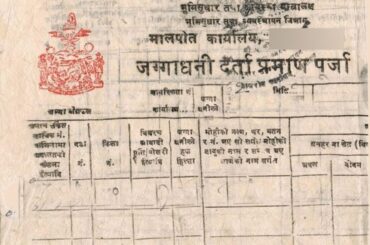
Request the original Lalpurja—never a photocopy—from the seller. Examine it carefully: the owner’s name must match the seller’s citizenship documents exactly; the Kitta number identifies the specific land parcel; the land area and classification must match what you are being sold; and the document should bear the official Land Revenue Office seal and stamps. Any alterations, inconsistencies, or damage to the document warrants immediate scrutiny.
Step 2: Land Revenue Office Verification
Take the Lalpurja details (district, kitta number, owner name) to the District Land Revenue Office (Malpot Karyalaya) for the relevant area. Request staff to verify that: the current registered owner matches the seller’s details; no transfer, division, or reversion transactions are pending; no government action or restriction is noted against the parcel; and the land area and boundaries match the Lalpurja.
Step 3: Encumbrance Search
An encumbrance search (also conducted at the Land Revenue Office) reveals all registered interests against the property: bank loans, mortgages, court orders, and legal notices. This is a non-negotiable step. Request the encumbrance search covering the previous 35 years. If any encumbrances are found, they must be fully discharged before the sale can proceed.
Step 4: Survey Department Boundary Verification
Visit the District Survey Office to obtain the official field book (Napi Naksha) for the property. Compare the boundaries shown on the survey map with the physical boundaries on the ground. Hire a licensed private surveyor (Napi Surveyor) to conduct a formal boundary survey if you have any doubt about boundaries or if the property shares walls or boundaries with neighbours. Boundary disputes are extremely difficult to resolve after purchase.
Step 5: Municipality Tax and Compliance Check
At the local municipality or ward office, confirm: all property taxes are fully paid; no outstanding municipality dues exist; the property is compliant with local building regulations (for built structures); and there are no pending demolition notices or compliance orders against the property.
Step 6: Seller Identity Verification
Verify the seller’s identity independently of documents they have provided. Check their citizenship certificate against a government database if possible. For transactions involving a Power of Attorney, verify the PoA’s validity, scope, and current status—a revoked or expired PoA makes any transaction legally void.
Common Property Frauds to Watch For
- Impersonation fraud: Someone presents as the owner but is not. Insist on in-person identity verification at the Land Revenue Office.
- Undisclosed co-ownership: Especially common in family-owned land where not all heirs have been disclosed. Research the family ownership structure carefully.
- Encumbered property sales: Sellers hide that a bank loan is registered against the property. Only an encumbrance search reveals this.
- Boundary manipulation: Sellers claim more land than is actually registered. A licensed survey is the only reliable check.
Basobaas can connect you with verified legal professionals to assist with property due diligence. Contact our team before signing anything.